
COSTA RICA · POLITICS
Costa Rica has held only one national referendum, on Sunday 7 October 2007, when voters narrowly approved a free-trade agreement with the United States and Central America (CAFTA-DR). Eugenia Zamora, president of the Supreme Electoral Tribunal (TSE, the body that runs elections), told a legislative committee on 16 July 2026 that it was “the only referendum in the country”, elmundo.cr, a Costa Rican news site, reported.
The question is live again because President Laura Fernández is weighing a vote on gold mining at Crucitas, a mining zone. Our earlier story, Costa Rica Weighs a Vote on Gold Mining, has the details.
Legal limits, a signature threshold and a once-a-year cap shape how a vote can reach the ballot. On 23 September 2026 the TSE applied one such limit when it refused a request for a pension vote.
Key Facts
- Precedent The only national vote was on 7 October 2007, on a free-trade deal with the US.
- Routes 5% of voters, two-thirds of Assembly deputies (38 of 57), or the government plus 29 deputies.
- Limit Article 105 of the Constitution bars some topics, including pensions.
- Calendar One referendum a year at most, called at least three months ahead.
- As of 18 November 2026, 12:00 GMT
Costa Rica’s constitution allows referendums, but legal limits, a high signature bar and a once-a-year cap have kept the country to a single national vote.
The Big Picture
The 2007 vote asked Costa Ricans to accept or reject the free-trade agreement with the United States and Central America. The “Yes” side narrowly won, with 51.6% of valid votes to 48.4% for “No”, the TSE confirmed after a recount, the Tico Times, a Costa Rican English-language paper, reported on 26 October 2007.
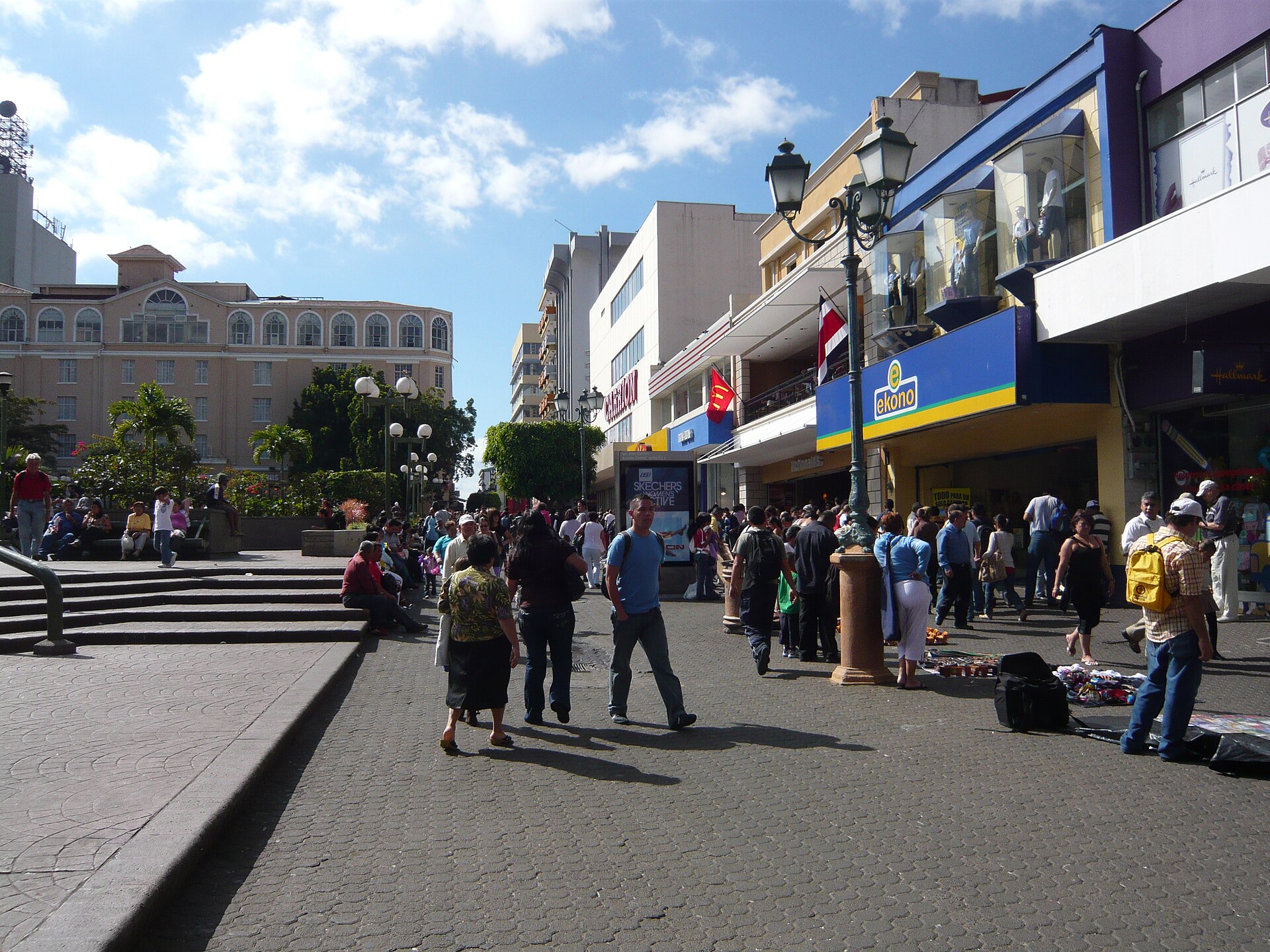
Three routes can start a national vote, Infobae, a Latin American news site, reported on 6 July 2026. Citizens can ask with the backing of 5% of the electoral roll, the list of registered voters.
Infobae added that deputies in the Legislative Assembly, the 57-seat parliament, can call a vote with at least 38 votes, two thirds of the chamber. The Executive, meaning the President’s government, can also ask, if at least 29 deputies, an absolute majority, agree.
President Fernández said in July that “the referendum is a tool that I have studied… it is complex”, Infobae reported on 6 and 7 July 2026. She named electricity-market harmonisation, “4×3” work schedules (four long working days, then three days off), security reforms and Crucitas gold mining as topics that could qualify.
She also said the Assembly cannot keep putting decisions off, according to Infobae on 6 July 2026. Her governing bloc holds 31 of the 57 seats, the same report said.
Where the Constitution Draws the Line
Article 105 of the Constitution excludes some subjects, pensions among them, and the TSE applied it on 23 September 2026. It rejected outright a citizen request for a vote on the bill for the full return of ROP labour savings, El Financiero, a Costa Rican business paper, reported on 30 September.
ROP stands for Régimen Obligatorio de Pensiones Complementarias, the mandatory supplementary pension scheme. The TSE ruled in resolution 8939-E9-2026 that Article 105 bars pension matters, Infobae reported on 1 October 2026.
The Tribunal cited three earlier resolutions, 7682-E9-2019, 2897-E9-2021 and 3908-E9-2025, according to El Financiero on 30 September. A citizen group led by Alex Solís Fallas had filed the request.
The Calendar Is Also a Barrier
Zamora told a legislative committee on 16 July 2026 that the TSE may hold only one referendum a year, though it may bundle several questions into one vote, elmundo.cr reported. By law, she said, the Tribunal must budget for one referendum every year, whether or not it is held.
At least three months must pass between the call and the vote, she said. A citizen initiative has nine months to collect signatures, and longer if the Constitutional Chamber of the Supreme Court, the court that reviews constitutionality, must be consulted.
For that reason, Zamora said, no citizen-initiative referendum can be held in 2026. An Executive or legislative initiative could still be called this year, she said, but would need an extra budget.
Why It Matters
Only the citizen route needs signatures, Infobae reported on 6 July 2026. A citizen group has nine months to collect them, Zamora said on 16 July 2026, so no such vote can be held this year.
Her governing bloc holds 31 of 57 seats, Infobae reported on 6 July 2026. By our arithmetic that is above the 29 deputies the joint route needs, but short of the 38 the two-thirds route requires.
Fernández named electricity-market harmonisation and Crucitas gold mining among possible topics, Infobae reported on 6 July 2026. Our story Costa Rica Weighs a Vote on Gold Mining covers the Crucitas debate.
What Is Not Known
We do not know whether Fernández will call any referendum, on what question, or when. We found no confirmed date for any scheduled vote.
We also do not know how many requests the TSE has pending, because reports vary, or whether the Constitutional Chamber would clear any text. No official total of past requests was available to us.
Frequently Asked Questions
How many national referendums has Costa Rica held?
One, on 7 October 2007, on the free-trade agreement with the United States and Central America. The “Yes” side narrowly won, with 51.6% of valid votes, and the TSE’s president said on 16 July 2026 that it was “the only referendum in the country”.
Who can ask for a national referendum?
Three routes exist, Infobae reported on 6 July 2026. They are 5% of the electoral roll, 38 of 57 deputies, or the Executive with at least 29 deputies.
Why could pension savings not go to a vote?
Article 105 of the Constitution bars pension matters. The TSE rejected a citizen request on the ROP labour-savings law on 23 September 2026, El Financiero, a Costa Rican business paper, reported on 30 September.
Can citizens call a referendum in 2026?
No, the TSE’s president, Eugenia Zamora, told a legislative committee on 16 July 2026, according to elmundo.cr. An Executive or legislative initiative could still be called this year, with an extra budget.
Sources: Supreme Electoral Tribunal (TSE) resolution 8939-E9-2026, 23 September 2026; Constitution of Costa Rica, Article 105; elmundo.cr, 16 July 2026; Infobae, 6 and 7 July 2026; Infobae, 1 October 2026; El Financiero, 30 September 2026; Tico Times, 26 October 2007.
Read more: Costa Rica Weighs a Vote on Gold Mining. More coverage is on our Costa Rica news page.
This article was produced by The Rio Times’ automated AI newsroom. Editorial responsibility: Matthias Camenzind, Publisher and Editor-in-Chief. The Rio Times also runs Ask Rio Times, which answers from 100,000+ of our own articles, the daily Latin America Power Map, and prediction-market odds on elections and markets.. How we use AI · Report an error