Costa Rica’s Nahara Dance Company to Premiere “SEMILLA” on Nigerian Christian Persecution
Arts & Human Rights
Key Facts
—The work. “SEMILLA” is a contemporary dance piece by Costa Rican choreographer Nahara Ortega, inspired by documented violence against Christians in Nigeria.
—The toll. An estimated 52,000 Christians have been killed in Nigeria between 2009 and 2023, with over 20,000 churches and schools attacked.
—The metaphor. “Semilla” means seed in Spanish, symbolising faith buried under violence and the stubborn possibility of renewal.
—The risk disparity. Open Doors, citing the Observatory for Religious Freedom in Africa, reports that in northern Nigeria Christians are 6.5 times more likely to be killed than Muslims, while ACLED data indicates Christians are not among the predominant targets of political violence nationwide and that most victims in the north are Muslim.
—The lens. The company uses dance to translate abstract casualty figures into embodied, human-scale narratives for Latin American audiences.
Costa Rica’s Nahara Dance Company will premiere “SEMILLA,” a contemporary dance work confronting the ongoing Nigerian Christian persecution crisis that has claimed over 52,000 lives since 2009, bringing an underreported humanitarian catastrophe to the Latin American stage.
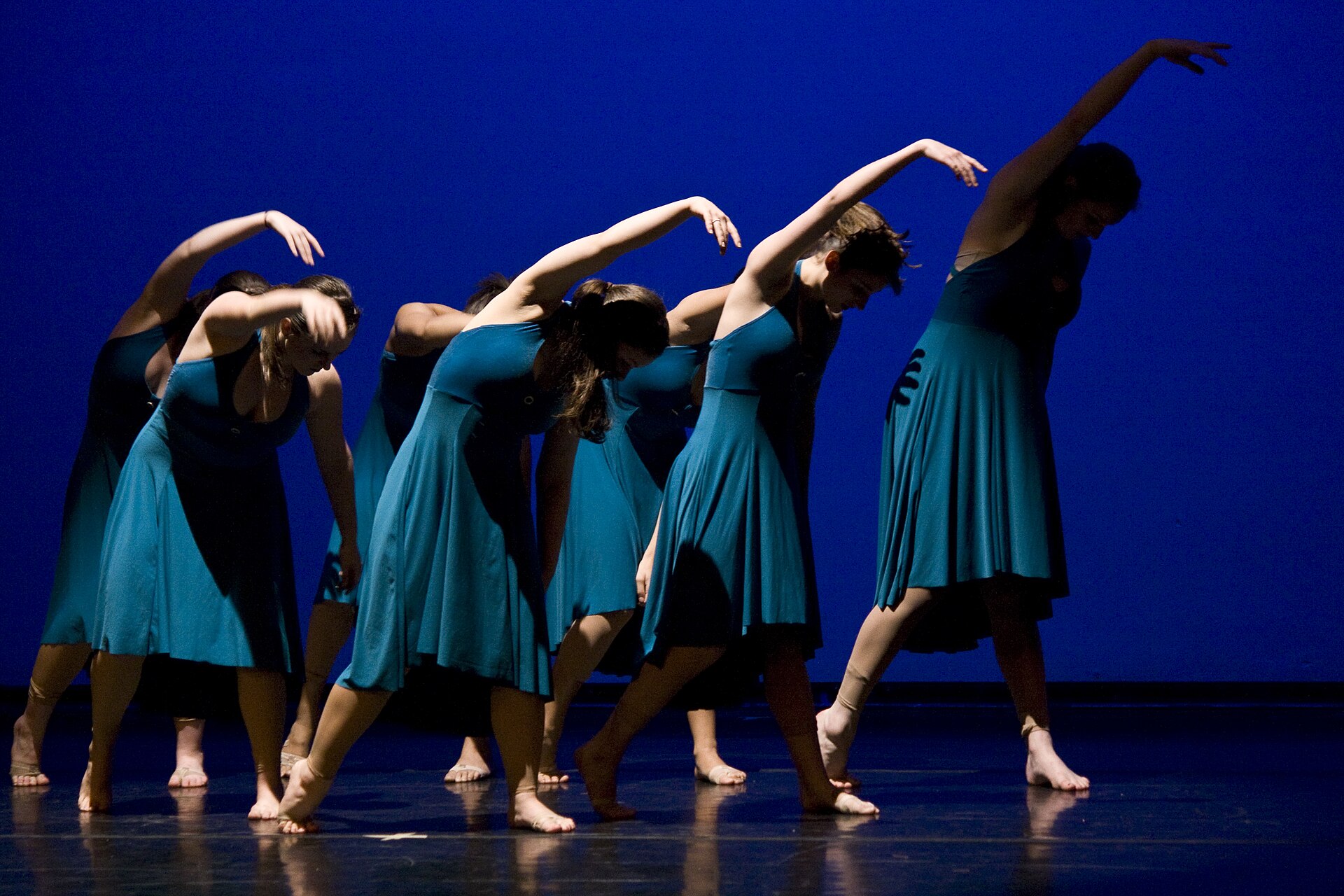
A Seed Planted in Suffering: The Genesis of “SEMILLA”
Choreographer Nahara Ortega did not set out to make a political work. She encountered the data on Nigerian Christian persecution through human-rights networks and found she could not look away.
The title “SEMILLA” — Spanish for seed — operates as the work’s central metaphor. A seed is buried in darkness, broken open, and only then does it grow.
Ortega and her company of dancers from multiple backgrounds translate that agricultural and spiritual image into movement. The piece traces an arc from planting through violent uprooting to the stubborn possibility of regeneration.
The Numbers Behind the Movement: Documenting Nigerian Christian Persecution
The choreography is not built on abstraction. It rests on a documented crisis that human-rights organisations describe as extreme and sustained.
A Nigerian human-rights body estimates that between 2009 and 2023, at least 52,000 Christians were killed. Roughly 18,500 were abducted and are presumed dead, and more than 20,000 churches and Christian schools were attacked.
Open Doors’ 2023 dossier classifies pressure on Christians in Nigeria as “extreme” across all spheres of life. The violence comes from multiple actors: Fulani militants account for a majority of documented Christian deaths between 2019 and 2023, while Boko Haram and ISWAP have repeatedly and explicitly targeted Christian communities.
Data from the Observatory for Religious Freedom in Africa adds a stark disparity: in some northern states, Christians are 6.5 times more likely to be killed and 5.1 times more likely to be abducted than Muslims. The pattern has continued without meaningful interruption, according to parliamentary and NGO testimony.
Choreographic Language: Congregations Under Threat
Ortega’s movement vocabulary blends contemporary dance with ritualised, ensemble-based staging. Recurring motifs of planting, uprooting, kneeling, and falling reference both agricultural labour and religious practice.
Group sections are structured to suggest congregations under threat — scattering, regrouping, and bearing witness. Solo passages focus on individual bodies marked by fear, loss, and stubborn hope, giving human scale to statistics that can feel abstract.
The sound design incorporates church ambiance, field recordings, and African-influenced rhythmic structures. The effect evokes both worship spaces and conflict zones, collapsing the distance between sanctuary and site of attack.
Why a Costa Rican Company Takes On Nigerian Christian Persecution
Latin American media rarely covers the persecution of Christians in Nigeria with the depth the crisis demands. Ortega’s company sees dance as a way to bridge that information gap without relying on spoken language.
The work positions itself not as a generalised meditation on suffering but as an informed, focused artistic response to a particular, documented crisis. It aligns with the findings of Open Doors, Global Christian Relief, and the Observatory for Religious Freedom in Africa.
For audiences in San José and beyond, the piece creates a space for lament and solidarity that does not depend on shared language or geography. The body, Ortega argues, can carry what headlines cannot.
The Read-Through for Arts Investors and Cultural Philanthropy
“SEMILLA” lands at a moment when socially engaged contemporary dance is attracting increased philanthropic and institutional attention across Latin America. Works that connect regional audiences to global human-rights crises are finding funding from foundations, embassies, and diaspora networks.
For cultural investors and expat patrons in Costa Rica, the premiere offers a case study in how small, independent companies can punch above their weight by choosing underreported subject matter. The work’s explicit grounding in verifiable data also makes it attractive to grant-making bodies that require measurable social impact.
The company has not disclosed its full funding structure, but productions of this scale in the Central American contemporary-dance ecosystem typically operate on budgets between $15,000 and $40,000 (roughly ₡7.5 million to ₡20 million Costa Rican colones). International touring, if it materialises, would mark the next financial step.
What to Watch Next
The premiere date and venue have not yet been publicly confirmed, though the company is expected to announce details through its official channels in the coming weeks. Early interest from human-rights organisations suggests the performance may be accompanied by panel discussions or post-show talks.
Whether “SEMILLA” travels beyond Costa Rica remains an open question. Works that tackle religious persecution with this level of specificity have found receptive audiences in Latin American cities with significant Christian demographics, including São Paulo, Mexico City, and Buenos Aires.
For now, the piece stands as a reminder that contemporary dance can function as a form of bearing witness — translating a distant crisis into something a live audience can feel in the room.
More: Nigeria news in English, every day from The Rio Times.
Frequently Asked Questions
What is “SEMILLA” by Nahara Dance Company about?
“SEMILLA” is a contemporary dance work by Costa Rican choreographer Nahara Ortega that responds to the ongoing persecution of Christians in Nigeria. The title means “seed” in Spanish, and the piece uses that metaphor to explore faith, suffering, displacement, and the possibility of renewal amid violence.
It draws on documented reports of killings, abductions, and church attacks affecting Christian communities in Nigeria.
How severe is the persecution of Christians in Nigeria?
According to Nigerian human-rights organisations, at least 52,000 Christians were killed between 2009 and 2023, with roughly 18,500 abducted and presumed dead. Over 20,000 churches and Christian schools have been attacked.
Open Doors classifies pressure on Christians in Nigeria as “extreme,” and data shows that in some northern states, Christians are 6.5 times more likely to be killed than Muslims.
Why is a Costa Rican dance company addressing Nigerian Christian persecution?
Nahara Ortega and her company aim to bring an underreported humanitarian crisis to Latin American audiences through embodied, non-verbal storytelling. Dance allows the company to translate abstract casualty figures into human-scale narratives that do not depend on spoken language.
The work aligns with documentation from Open Doors, Global Christian Relief, and the Observatory for Religious Freedom in Africa.
This article was produced by The Rio Times’ automated newsroom system. How we use AI · Report an error
Read More from The Rio Times