Where to Live in Panama: Panama City, Boquete, Coronado and Pedasí
Panama · Living in Panama
Key Facts
—Panama City. Skyscrapers, restaurants and the biggest expat community, best for city lovers.
—Boquete. Cool mountain town, spring-like weather, popular with retirees and nature lovers.
—Coronado. An easy beach town near the capital with a ready-made expat scene.
—Pedasí. A quiet Azuero beach town for those who want calm over crowds.
Deciding where to live in Panama is the happiest kind of homework, because the country packs a skyline, a cloud forest and two coastlines into a space smaller than many single US states. Whether you dream of rooftop pools or a cabin in the hills, this friendly tour of the main expat bases will help you find your fit.
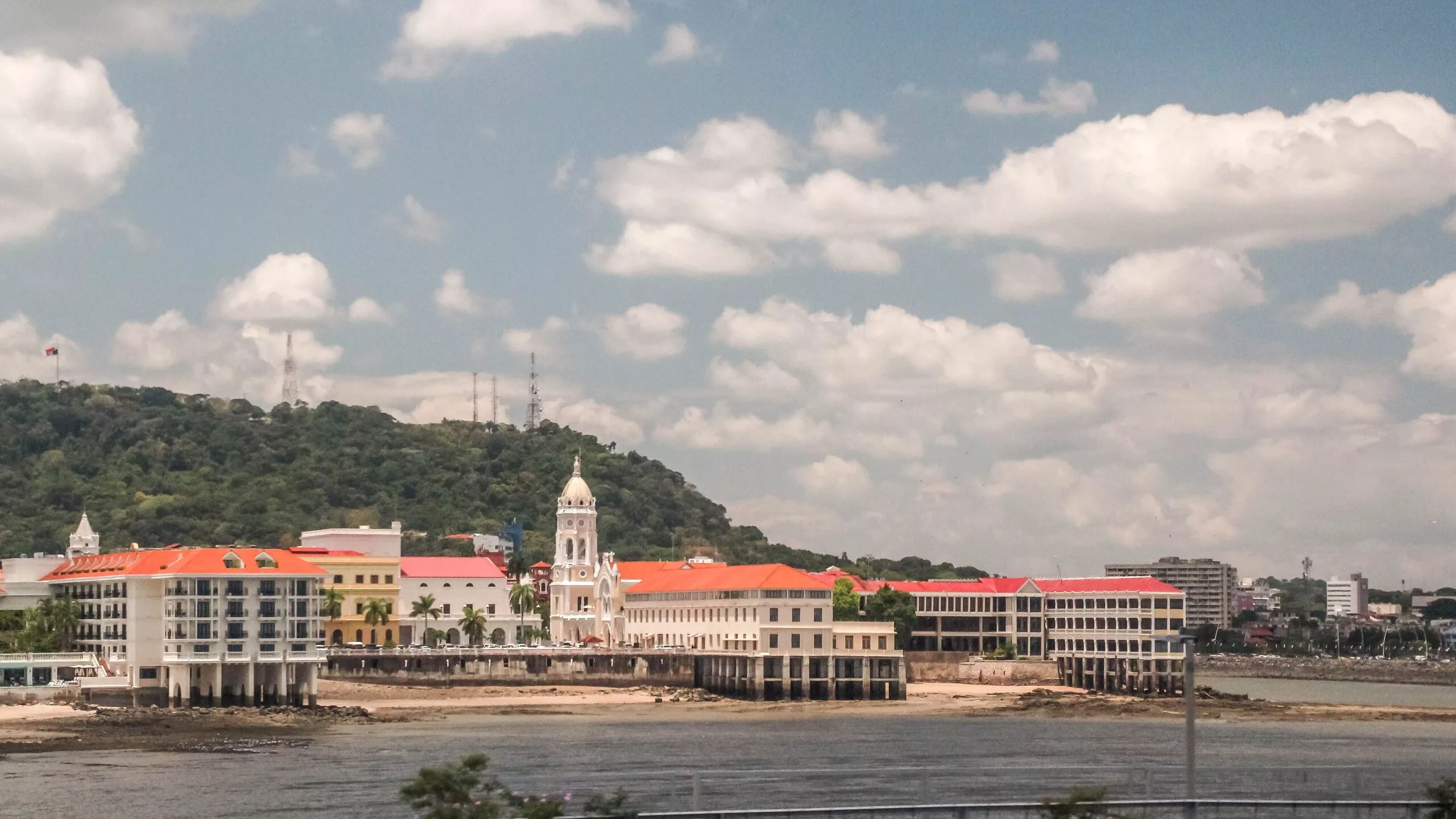
Panama City: the cosmopolitan heart
For many newcomers, the capital is the natural first stop. It offers a real skyline, world-class restaurants, modern hospitals and the country’s largest, most welcoming expat community.
Within the city, the neighbourhoods have distinct personalities. El Cangrejo is walkable and full of cafés, Bella Vista is central and lively, Costa del Este is sleek and family-friendly, and historic Casco Viejo trades high-rises for cobblestones and charm.
Boquete: the highland favourite
Up in the western mountains, Boquete enjoys spring-like weather all year, which is its great selling point. The cooler air means you can skip air conditioning, and the green valleys draw hikers, coffee farmers and a long-settled community of foreign retirees.
Life here is slower and more outdoorsy than in the capital. You trade nightlife for birdsong, gain space and gardens, and still find good cafés, a farmers’ market and fellow expats to share the trails with.
Coronado and the City Beaches
If you want sand without leaving the conveniences behind, Coronado is the classic choice. Roughly an hour and a half from the capital, it has supermarkets, clinics and golf, plus an established expat crowd to make settling in easy.
The wider stretch known as the City Beaches offers similar appeal at a range of prices. It suits people who want the ocean on weekdays and the city within reach for a night out.
Pedasí and the quieter coast
Further out on the Azuero Peninsula, Pedasí is for those who prefer calm to crowds. It is a small, friendly fishing town with clean beaches, surf nearby and a gentle pace that newcomers either adore or find too quiet.
The trade-off is distance. You are further from major hospitals and the airport, so Pedasí tends to reward people who value tranquillity and have a flexible lifestyle.
Bocas del Toro: the Caribbean option
Over on the Caribbean coast, the islands of Bocas del Toro offer a different mood entirely. Think turquoise water, wooden houses on stilts and a laid-back, international crowd of surfers, divers and younger remote workers.
It is the most easy-going corner of the country, though also one of the rainiest and most remote. People who thrive here value the water and the community more than quick access to big-city services.
How to choose where to live in Panama
The smartest approach is to rent before you buy, and to sample more than one region across different seasons. A month in the city and a month in the hills will teach you more than any list ever could.
Weigh up climate, healthcare access and how often you will fly home, since those three factors shape daily life most. To plan the numbers, pair this with our guide to the cost of living in Panama.
Climate and commute: matching place to lifestyle
Climate is the quiet decider in Panama. The coasts and lowlands stay hot and humid all year, while the highlands keep a cool, spring-like feel, which is why so many retirees gravitate to Boquete.
Think too about how often you will need the capital. Living within reach of Panama City means easier access to its international airport and best hospitals, a real consideration for frequent flyers.
For a gentler middle ground, the small mountain town of El Valle de Anton offers cool air and greenery just a couple of hours from the city.
City, coast, island or interior?
A useful way to narrow the search is to picture your ideal weekend. If it involves restaurants and culture, the city wins; if it involves surf and hammocks, the coasts and islands call.
For those drawn to gardens, cool nights and a tight community, the interior highlands are hard to beat. Many expats end up splitting the difference, basing themselves near the city with regular escapes to the hills or the sand.
Whatever you lean toward, give yourself permission to change your mind. Plenty of expats move once or twice before they find the spot that finally feels like home.
Rent first, buy later
Most long-term arrivals rent for a year before buying anything. A wet-season month in Boquete, or a humid stretch in the city, tells you more about a place than any viewing.
Renting also sidesteps the learning curve on titled versus rights-of-possession property, a quirk that catches newcomers on the coast and islands. There is no rush, and good rentals are easy to find.
How the cost of each area differs
Panama City carries the highest rents, matched by the best hospitals, restaurants and the international airport. Boquete and Coronado sit in the middle, while Pedasi and parts of Bocas del Toro are cheaper but quieter.
Your monthly budget can swing by hundreds of dollars purely on location. Match the place to how often you need a major hospital or a direct flight home.
More: Latin America news in English, every day from The Rio Times.
Frequently Asked Questions
Where do most expats live in Panama?
The largest communities are in Panama City, Boquete and the Coronado beach area. Each offers a ready-made network of fellow expats and the services newcomers need.
Is it better to live in Panama City or the mountains?
It depends on your pace of life. The city offers jobs, dining and top hospitals, while towns like Boquete offer cooler weather, nature and a calmer, cheaper routine.
Should I rent or buy when I first move to Panama?
Most advisers suggest renting first, ideally in more than one area. It lets you test the climate, the commute and the community before committing to a purchase.
Expats in Panama — more guides
This article was produced by The Rio Times’ automated newsroom system. How we use AI · Report an error · Editorial responsibility: Matthias Camenzind, Editor-in-Chief
The Panama City Guide
What The Rio Times publishes for foreigners in Panama City, Panama.
This month
Coming up in Panama City
Living in Panama City
Understand Panama