Cost of Living in Belo Horizonte 2026 — Rent, Bills and Real Monthly Budgets
GUIDES · BRAZIL
Key Facts
- —What it is The capital of Minas Gerais, a mining and steel hub with lower rents than Rio or São Paulo.
- —Who it’s for Engineers, mining and steel contractors, graduate students, academics and expats wanting big-city Brazil without coastal prices.
- —What it costs Average asking rent was 50.38 reais per square metre (about US$9.86) in August 2026.
- —Why it matters Rent, the condominium fee and the municipal property tax together decide your real monthly cost.
- —The catch The rail network is small, so many cross-city trips still need buses, transfers or a car.
The cost of living in Belo Horizonte in 2026 is mid-range for Brazil, and the condominium fee and property tax decide the real monthly total.
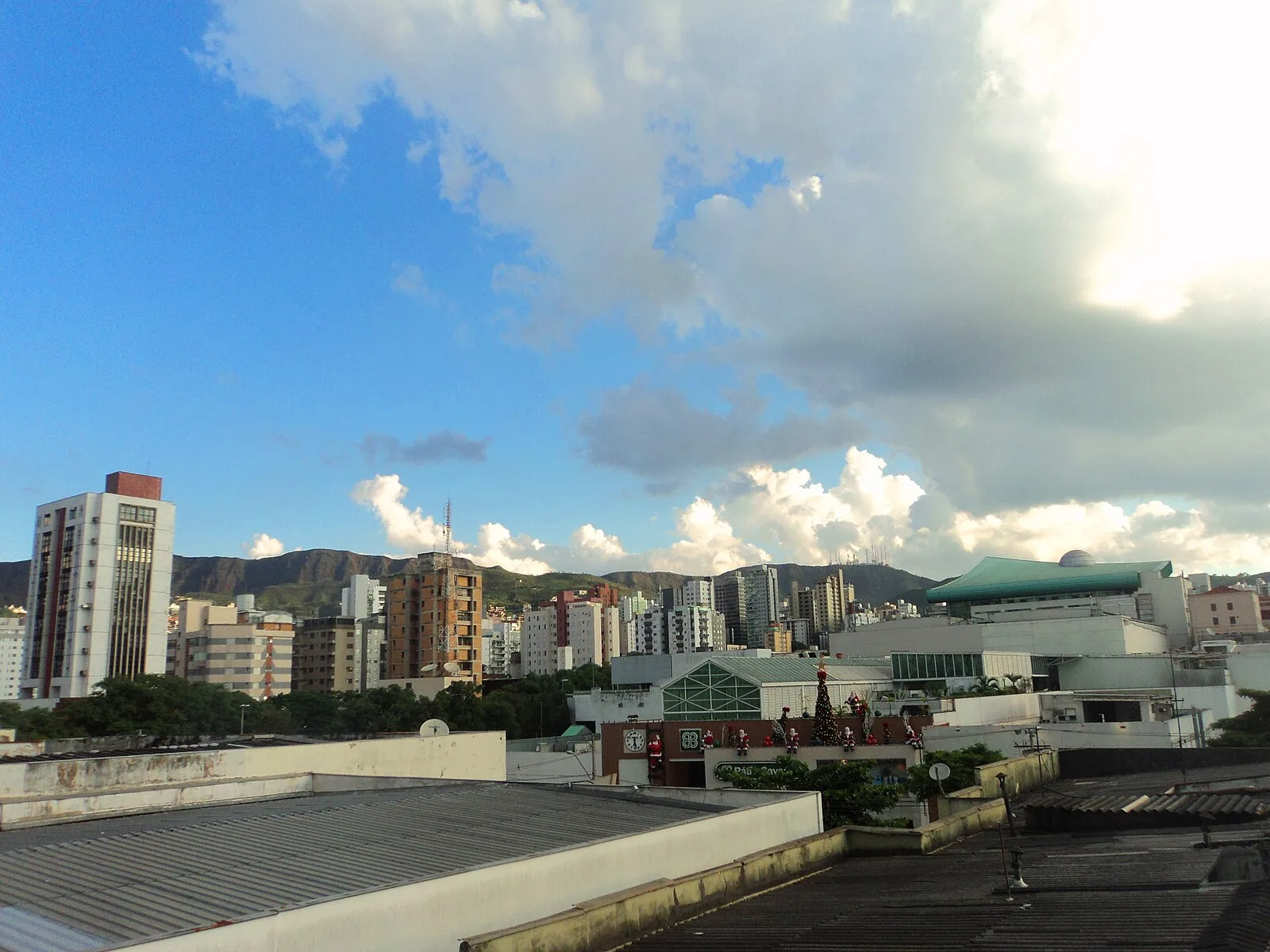
The cost of living in Belo Horizonte, Brazil sits in the middle of the national range in 2026. It is usually below Rio de Janeiro and São Paulo, and the lease decides most of the difference.
What the cost of living in Belo Horizonte looks like in 2026
Belo Horizonte sits in the middle of Brazil’s cost range. It is usually cheaper than Rio de Janeiro and São Paulo, and dearer than small interior cities.
All conversions here use 5.11 reais to the dollar, at 23 September 2026 exchange rates. The rate moves, so convert again on the day you pay.
The FipeZAP index put the average apartment asking rent in the city at 50.38 reais per square metre (about US$9.86) in August 2026. That is an advertised price, not a signed one.
The same index put the average across the 36 Brazilian cities it tracks at 54.47 reais per square metre (about US$10.66). Belo Horizonte therefore sits just below the national figure.
Asking rents in the city rose 7.45% in the twelve months to August 2026, and 4.91% since January. The 36-city average rose 9.16% over the same twelve months.
Brazil’s central bank cut the Selic rate, the country’s benchmark interest rate, to 13.75% a year in September 2026. It had stood at 14.00% after the August decision.
The cost of living in Belo Horizonte is drifting upward in reais, but more slowly than the national average. What you actually pay depends more on the lease than on any city figure.
Rent by neighbourhood, from Santo Agostinho to Pampulha
Living costs in Belo Horizonte split by neighbourhood far more sharply than the citywide average suggests. Size, furnishing and building charges move the final number again.
Santo Agostinho was the dearest district in the August 2026 index, at 73.40 reais per square metre (about US$14.36). Savassi followed at 69.00 reais (about US$13.50).
Lourdes averaged 68.00 reais per square metre (about US$13.31) and Funcionários 62.20 reais (about US$12.17). Belvedere sat close to Lourdes at 68.20 reais (about US$13.35).
Buritis, further out and more suburban, averaged 53.10 reais per square metre (about US$10.39). That is roughly a quarter below Savassi for the same floor area.
A 60-square-metre flat in Savassi at that district average works out near 4,140 reais a month (about US$810). The same size in Buritis lands closer to 3,186 reais (about US$623).
Pampulha, near the federal university campus, is widely described as cheaper and more student-oriented. The index published no separate Pampulha average, so treat that description as qualitative.
Condominium fees, IPTU and what the lease must say
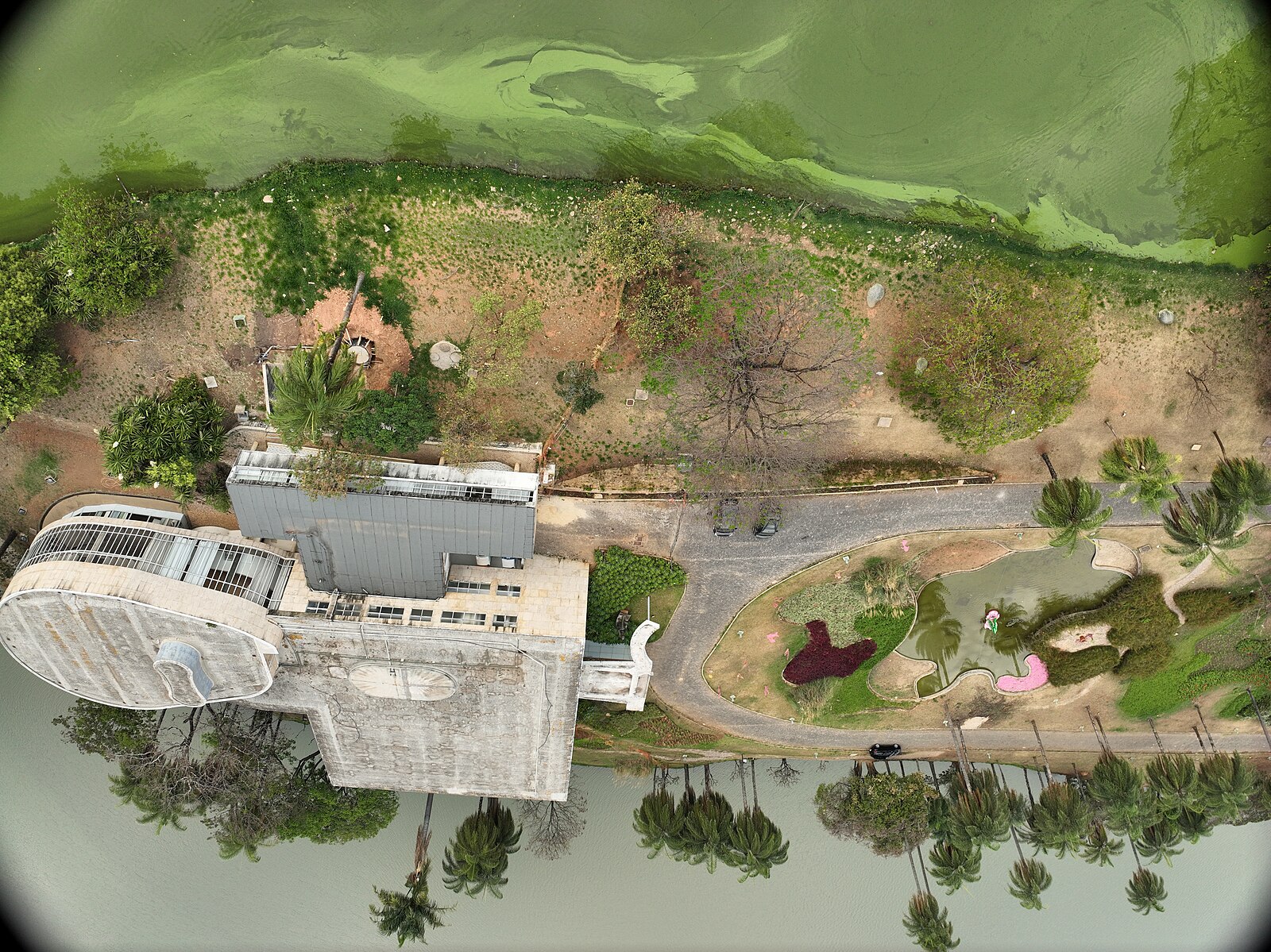
The advertised rent is rarely the whole bill. Two further charges sit on top of it, and the lease decides who carries them.
Brazil’s Tenancy Law, Law 8,245 of 18 October 1991, splits condominium costs in two. Ordinary running expenses fall to the tenant, and extraordinary works fall to the landlord.
Ordinary expenses include staff wages, cleaning, shared-area utilities and lift maintenance. Facade works, structural repairs and safety installations sit on the landlord’s side.
The same law puts property taxes on the landlord, unless the contract assigns them to the tenant. Many leases do assign IPTU, the municipal property tax, so read that clause first.
Belo Horizonte city hall adjusted IPTU by 4.41% for 2026, in line with an official inflation index. It offered a 7% discount for payment by 30 January 2026, or up to 11 monthly instalments.
IPTU is assessed property by property, so no citywide average will help you. Ask the landlord for the current payment guide before you sign anything.
The Tenancy Law allows only one guarantee per lease, and a cash deposit cannot exceed three months’ rent. A local guarantor, a deposit or rent-guarantee insurance are the usual choices.
Why foreigners choose the capital of Minas Gerais
Belo Horizonte draws a narrow foreign audience rather than a broad expat crowd. The cost of living in Belo Horizonte is part of that pull, but not the whole of it.
Minas Gerais is Brazil’s historic mining state, and the city anchors a mining and steel supply chain. Engineers and contractors usually arrive on company postings rather than on a lifestyle plan.
The city also carries a large public university and a wide research sector. Graduate students, visiting academics and their families make up a second, younger stream.
A third group simply wants big-city Brazil without coastal prices. The services, hospitals and international flights are here, at rent levels Rio and São Paulo no longer offer.
The trade-off is a smaller English-speaking community than in the coastal capitals. Everyday Portuguese matters more here, and sooner.
Food, bars, utilities and the mild climate
The city is known across Brazil for its bar culture, built on small neighbourhood botecos. The bar culture is one reason daily living costs in Belo Horizonte feel lighter than on the coast.
The climate is mild by Brazilian standards, because the city sits on high ground rather than the coast. Air conditioning runs less, which keeps power bills below those of hotter coastal cities.
Electricity also moves with the national tariff flag system, which adds a surcharge when generation costs rise. Check the current flag before you assume a quiet month.
Water, power and internet are billed separately from rent and condominium. Budget them as their own line, because no landlord’s quote includes them.
Getting around: metro, buses and the car question
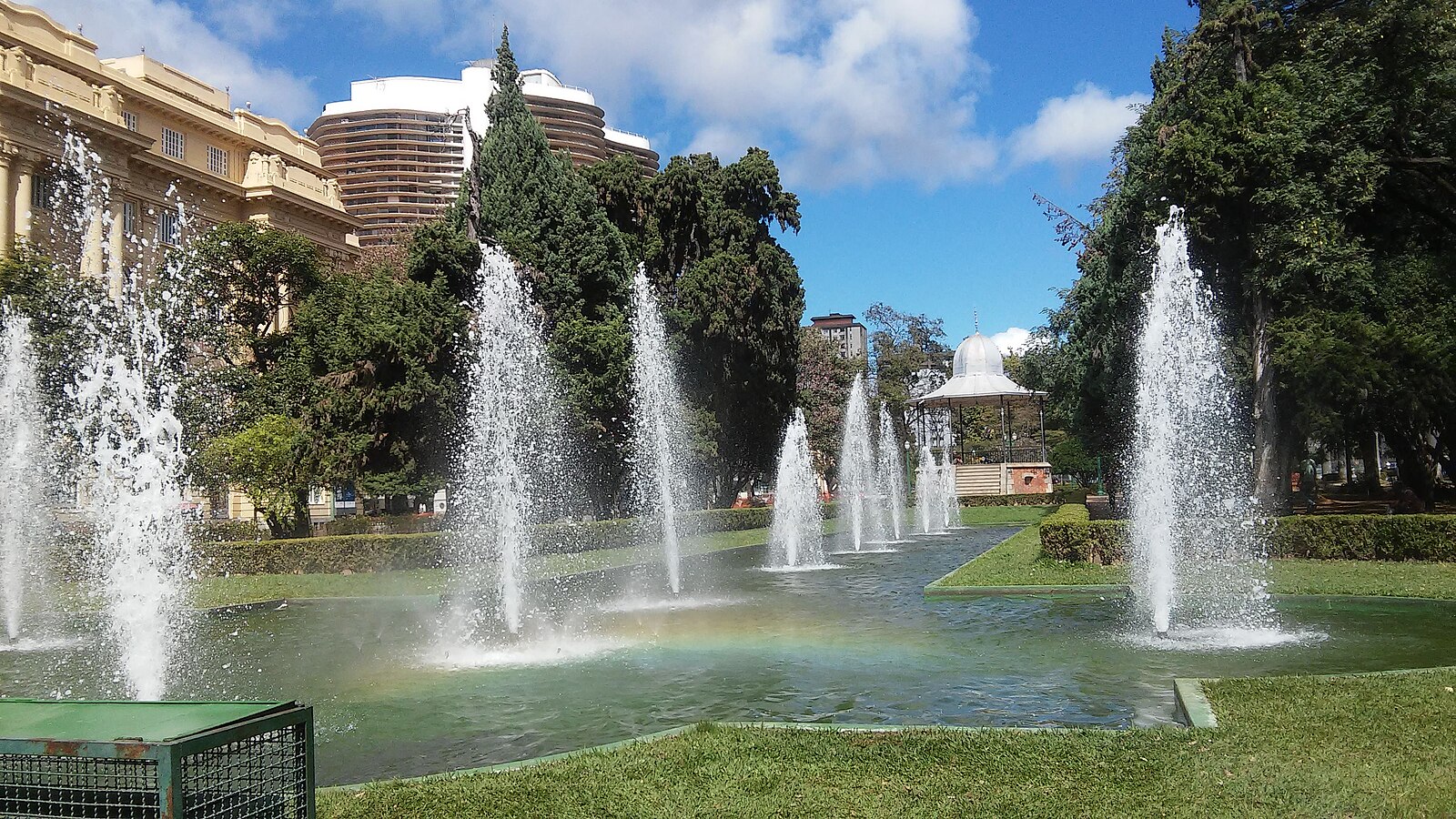
Belo Horizonte’s rail network is small next to São Paulo’s or Rio’s. Most cross-city journeys still involve a bus, a transfer, or both.
City bus fares rose on 1 January 2026. Trunk and MOVE services cost 6.25 reais a ride (about US$1.22), and feeder, circular and neighbourhood lines cost 6.00 reais (about US$1.17).
The metro fare is set separately by the rail concessionaire, and it was adjusted again in mid-2026. Confirm the current single-journey price with the operator before you budget.
Transport is a small part of the cost of living for most Belo Horizonte residents. Two bus rides a day, five days a week, comes to about 275 reais a month (about US$54).
A car becomes useful if you settle in Buritis, Pampulha or anywhere with a long commute. Distances and street layout often make driving faster than the bus.
A car also brings insurance, fuel, parking and often a garage space in the building. None of that sits inside a public-transport budget.
Healthcare, international schools and domestic staff
Brazil’s public health system treats anyone in the country, foreigners included, without charge. Most expats still buy private cover, for speed and for English-speaking care.
Private plans are sold by insurers and regulated by the national supplementary-health agency. Premiums rise by age band, so a family quote looks very different from a single person’s.
Belo Horizonte has a large private hospital sector that serves Minas Gerais as a whole. No current official ranking of those hospitals was available for this guide.
International schools exist in the city, but the choice is narrower than in São Paulo. Healthcare and schooling are the costs that reshape a family’s budget for living in Belo Horizonte.
Domestic help is common in middle-income Brazilian households, and it is fully regulated. Complementary Law 150 of 1 June 2015 sets hours, overtime and severance-fund contributions.
That law caps normal hours at eight a day and 44 a week, with overtime paid at a premium. Pay cannot fall below the national minimum wage, whose current value the federal government publishes.
Safety standing and how the city compares
Safety is a neighbourhood-level question in every Brazilian city, and this one is no exception. Conditions differ by district and by hour of the day.
The Minas Gerais state government publishes crime statistics for its municipalities. Use those figures, and your own government’s travel guidance, rather than a housing blog’s summary.
No current verified crime figure for the city was available for this guide. Treat any ranking you find online with care, and check its date and its method.
On rent, the city’s average sits below the 36-city national average of 54.47 reais per square metre (about US$10.66). That is the cleanest comparison the index supports.
For Curitiba or São Paulo, look up the same index for the same month before you conclude anything. Different sources use different property types and dates, and the answers diverge.
What this changes for a life is straightforward. A mid-range Brazilian city offers services, hospitals and universities at a rent level the coastal capitals no longer match.
Compare the total monthly cost, not the advertised rent. Rent plus condominium plus IPTU is the number that decides whether this city works for your budget.
Connected Coverage
Cost of Living in Brasilia 2026 — Monthly Budgets, Rent by Sector and Car Costs
Cost of Living in Brazil for Expats: What a Realistic Budget Looks Like
What Is Not Known
No official basket measures the cost of living in Belo Horizonte for foreign residents. The monthly expat budgets circulating online are editorial estimates rather than government statistics.
No separate rent average for Pampulha appeared in the August 2026 index. Descriptions of it as a cheaper, student-oriented district are qualitative rather than measured.
No current official ranking of the city’s private hospitals was available for this guide. Nor was any verified 2026–2027 fee table for its international schools.
No current verified crime figure for the city could be confirmed for this guide. State public-security statistics are the place to check, and they change month to month.
The metro’s current single-journey fare could not be confirmed with the operator for this guide. The bus fares quoted here come from the municipal tariff schedule effective 1 January 2026.
Sources: Figures come from the FipeZAP August 2026 rental release, the Prefeitura de Belo Horizonte IPTU and bus tariff pages, Brazil’s Tenancy Law and the domestic-work law on Planalto, and Banco Central do Brasil rate statements.
- downloads.fipe.org.br
- prefeitura.pbh.gov.br
- prefeitura.pbh.gov.br
- planalto.gov.br
- planalto.gov.br
- bcb.gov.br
- metrobh.com.br
- diariodocomercio.com.br
Frequently Asked Questions
How much is rent in Belo Horizonte in 2026?
The average apartment asking rent was 50.38 reais per square metre (about US$9.86) in August 2026. A 60-square-metre flat in Savassi at the district average works out near 4,140 reais a month (about US$810). Asking rents in the city rose 7.45% in the twelve months to August.
Do tenants in Belo Horizonte pay condominium fees and IPTU?
Brazil’s Tenancy Law puts ordinary condominium running costs on the tenant and extraordinary works on the landlord. Property taxes sit with the landlord unless the contract assigns them to the tenant. Many leases do assign IPTU, so that clause is worth reading first.
Which Belo Horizonte neighbourhoods are cheapest for expats?
Buritis averaged 53.10 reais per square metre (about US$10.39) in August 2026, well below the central districts. Pampulha is widely described as cheaper and more student-oriented, although the index published no separate average for it. Santo Agostinho, Savassi and Lourdes were the dearest.
Do you need a car in Belo Horizonte?
It depends on the neighbourhood. The rail network is small, so many cross-city trips need a bus or a transfer. A car helps in Buritis, Pampulha or anywhere with a long commute, but it adds insurance, fuel and parking.
Is Belo Horizonte cheaper than Sao Paulo and Curitiba?
The city’s average asking rent sits below the 36-city national average of 54.47 reais per square metre (about US$10.66). That is the cleanest comparison the rent index supports. For a direct comparison with either city, look up the same index for the same month.
What exchange rate should I use to budget for Belo Horizonte?
The conversions here use 5.11 reais to the dollar, at 23 September 2026 exchange rates. The rate moves, so convert again on the day you pay. Your bank’s rate will also differ from the published one.
This article was produced by The Rio Times’ automated newsroom system. How we use AI · Report an error
Read More from The Rio Times