Brazil · Expat City Guide
Key Facts
- Budget. All-in nomad life runs about US$1,250 to US$2,000 a month — living costs beyond rent are only US$520 to US$620.
- Housing. Furnished places in the popular neighbourhoods cost 3,500 to 7,000 reais ($700 to $1,400) a month.
- Momentum. Floripa ranked #7 among the world’s fastest-growing remote-work destinations in 2026, with check-ins up about 96 percent.
- Community. Roughly 30,000 foreign residents, swelling with thousands of nomads in peak season.
- Where to live. Lagoa da Conceição is the nomad hub; Campeche the quieter surf alternative.
Florianópolis — “Floripa” — is Brazil’s island laboratory for the remote-work life: 42 beaches, a lagoon-side café scene, surf before standup meetings, and one of the fastest-growing nomad communities on the planet. The boom has a bill, and locals feel it, but the island remains the region’s purest work-from-paradise play. Here is what you need to know about living in Florianópolis as an expat in 2026.
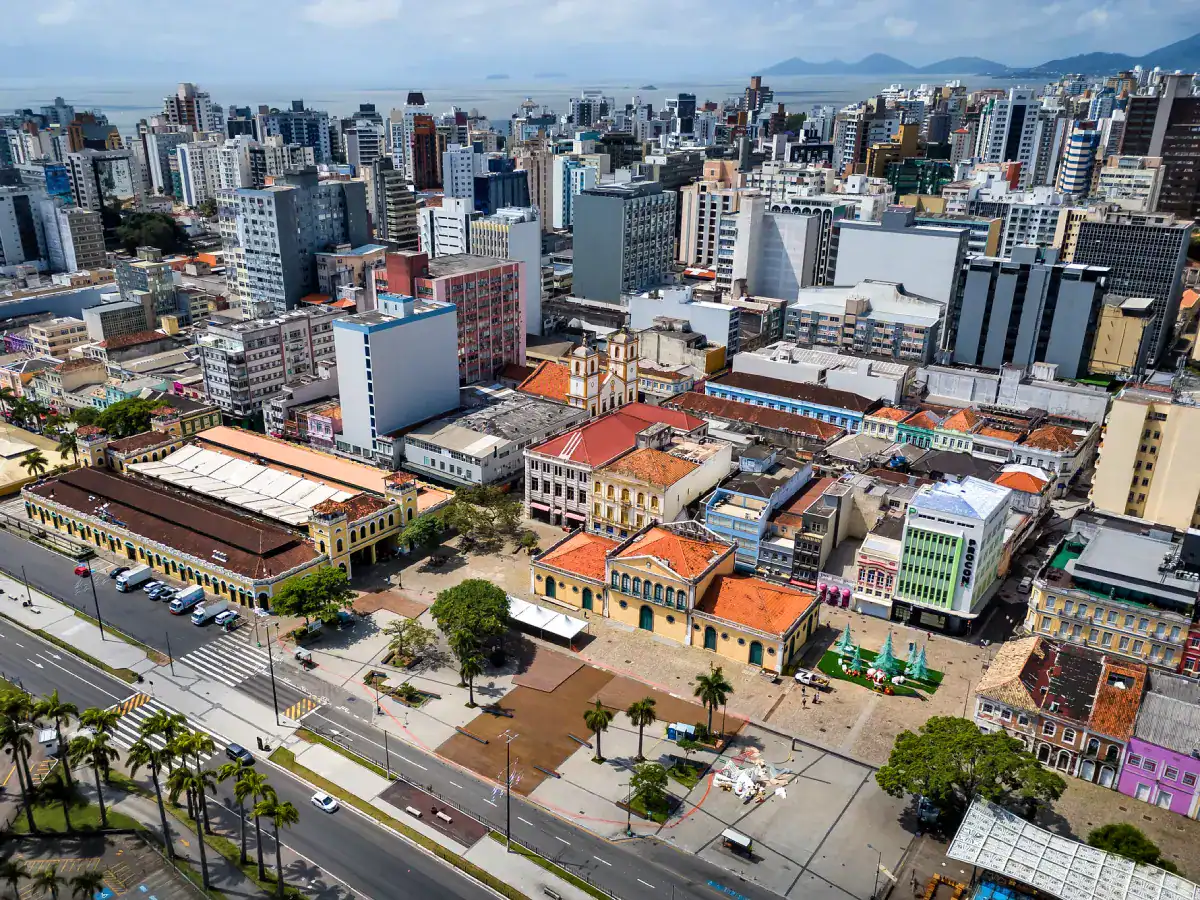
Cost of living in Florianópolis
Floripa remains affordable once you are housed: day-to-day living beyond rent runs just US$520 to US$620 a month, putting a comfortable all-in nomad budget around US$1,250 to US$2,000. The pressure point is housing — furnished apartments and houses in the popular neighbourhoods rent for 3,500 to 7,000 reais ($700 to $1,400), and prices have risen fastest exactly where nomads cluster.
Booking ahead of the December-to-March high season matters; many long-stayers lock annual leases to escape the seasonal spike.
Where to live: the best neighbourhoods
Lagoa da Conceição is the heart of it: a lagoon-side village dense with cafés, coworking, restaurants and nightlife, walkable and connected to beaches and trails. Campeche, on the south shore, is the quieter counterweight — a long, uncrowded surf beach with a growing café scene and a more local feel.
The polished Jurerê sits in the north for the upscale crowd, Barra da Lagoa suits surfers on a budget, Santo Antônio de Lisboa offers sunset charm, and Centro handles city errands. Most newcomers start in Lagoa and calibrate from there.
Visas and residency
Brazil’s standard rules apply: the VITEM XIV digital nomad visa needs US$1,500 a month in income or US$18,000 in savings, lasts a year and renews for a second, while work, investor and family routes go longer. US, Canadian and Australian citizens need an e-visa even for tourist stays — and the dramatic “new 2026 nomad rules” that circulate in island Facebook groups are, as immigration lawyers keep repeating, mostly invented.
Safety
Floripa is one of Brazil’s safest corners — consistently calmer than the big mainland cities, with the island rhythm to match. Normal care applies: don’t leave valuables on the beach, watch your phone in busy Lagoa nightlife, and mind the roads in high season when traffic doubles.
For many expats arriving from São Paulo or Rio, the felt difference in daily ease is the island’s biggest amenity.
The boom and its bill
The island’s success is reshaping it: rents in Lagoa and Campeche have climbed sharply, high-season traffic chokes the bridges and lagoon road, and locals increasingly debate what the nomad wave costs them. Expats who thrive here lean in — learning Portuguese, renting annually rather than seasonally, spending in local businesses beyond the nomad cafés — and treat the island as a home rather than a backdrop.
Work and play
The work infrastructure has caught up with the lifestyle: fibre is reliable in the main neighbourhoods, coworking spaces ring the lagoon, and the time zone (UTC-3) fits US clients. Play is the point: 42 beaches from family-calm to world-class surf, dune trails, paddleboard mornings on the lagoon, and a seafood culture built on oysters from Santo Antônio.
The rhythm is seasonal — electric in summer, blissfully quiet in winter — and most residents come to love both halves.
More: Brazil news in English, every day from The Rio Times.
Frequently Asked Questions
How much does it cost to live in Florianópolis?
All-in nomad budgets run about US$1,250 to US$2,000 a month. Furnished rentals in the popular neighbourhoods cost 3,500 to 7,000 reais ($700 to $1,400), while living costs beyond rent are only US$520 to US$620.
Lagoa da Conceição or Campeche?
Lagoa for the full nomad hub — cafés, coworking, nightlife, walkability. Campeche for a quieter, more local surf-beach life with a growing café scene.
Prices have risen fastest in both.
Is Florianópolis safe?
It is one of Brazil’s safest corners. Standard island care applies: valuables off the beach, phone awareness in nightlife, and caution on high-season roads.
What visa do I need?
Brazil’s VITEM XIV nomad visa (US$1,500 a month or US$18,000 savings, one year renewable) or the longer work/investor/family routes. US, Canadian and Australian citizens need an e-visa for any visit.
When should I arrive?
High season runs December to March — book months ahead and expect peak prices and traffic. April to June and September to November offer the sweet spot of weather, availability and calm.
This article was produced by The Rio Times’ automated newsroom system. How we use AI · Report an error · Editorial responsibility: Matthias Camenzind, Editor-in-Chief
The Florianópolis Guide
What The Rio Times publishes for foreigners in Florianópolis, Brazil.
This month
Living in Florianópolis
- Cost of Living in Florianópolis 2026: Expensive Island, Cheap Rent
- Palhoça, Near Florianópolis, Ranks Among Brazil's Best for Cheaper Rent
- Brazil's $1,500 Digital Nomad Visa Pulls Remote Workers to Rio and Florianópolis
- Florianópolis: a Nomad Boom and Its Rising Bill
Understand Brazil