5 High-Altitude Escapes Near Quito to Beat the Heat
Andean Escapes
Key Facts
—Papallacta. Thermal springs at 3,300 metres, just 1.5 hours from Quito.
—Mindo. A cloud-forest sanctuary for birdwatchers, two hours northwest.
—Otavalo. Highland market town with cool lake breezes and volcano views.
—Pululahua. A farmed volcanic crater with cool air, only one hour north.
—Quilotoa. A 3,800-metre crater lake, the coldest option, three hours south.
When Quito’s equatorial sun grows intense, five high-altitude retreats within three hours offer a reliable way to escape the heat without boarding a plane.
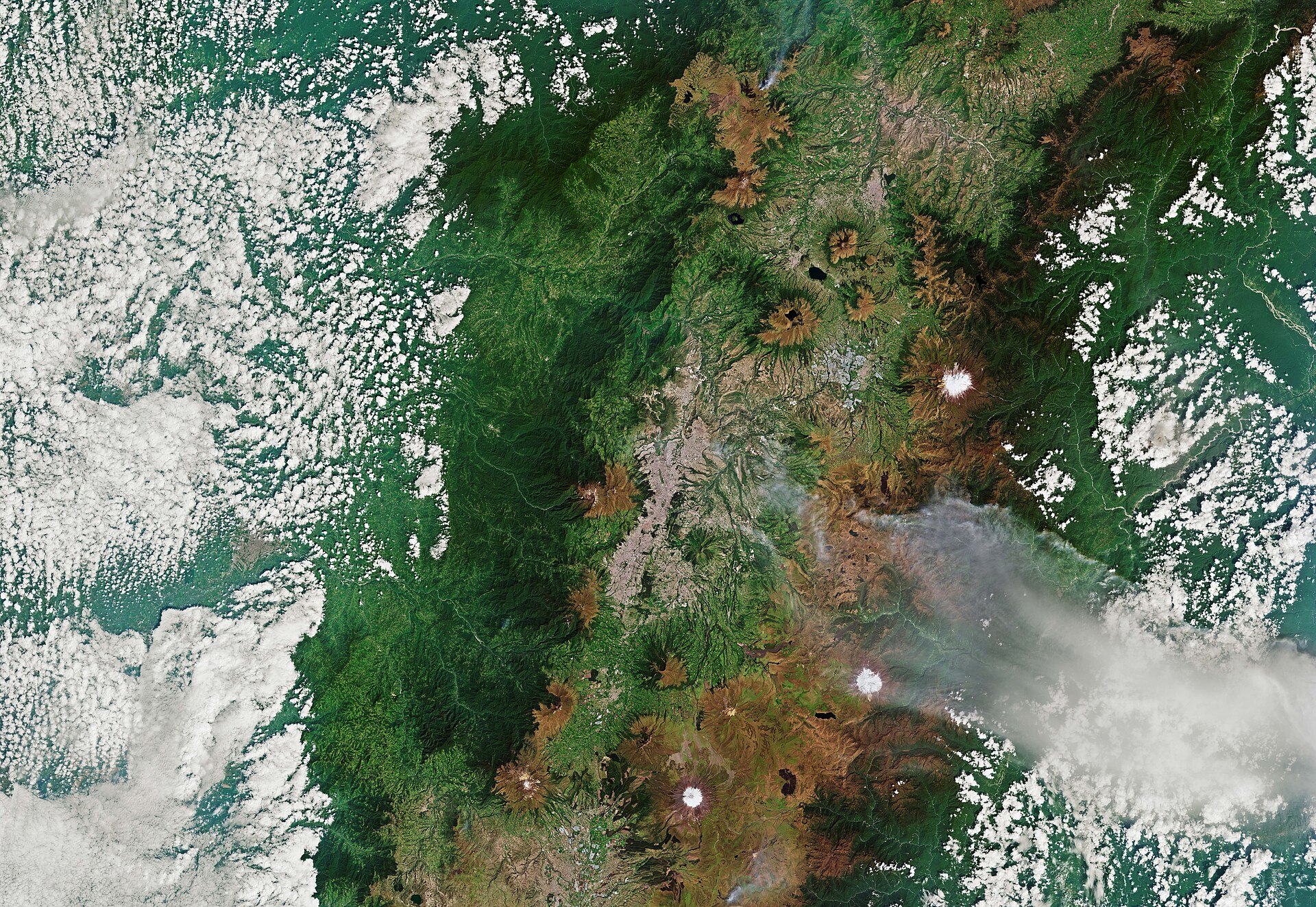
Papallacta: Thermal Waters in Cool Mountain Air
Papallacta sits at roughly 3,300 metres in the eastern Andes, where the air stays crisp even on Quito’s warmest days. The journey takes about 1.5 hours by car, climbing through páramo grasslands into a landscape of mist and green peaks.
The main draw is the Termas de Papallacta complex, a series of naturally heated pools fed by volcanic springs. Visitors soak in mineral-rich water while surrounded by cool mountain breezes, a combination that defines the Andean escape.
Entry fees start at around $9 for adults, with spa packages available at higher rates. Short walking trails lead into the surrounding highland ecosystem, where hardy vegetation and occasional condor sightings reward those who linger.
Mindo: A Cloud-Forest Refuge to Escape the Heat
Mindo lies roughly two hours northwest of Quito, tucked into a cool cloud-forest valley where constant mist and shade keep temperatures pleasant. The road descends from the highlands into a lush, green world that feels a season apart from the capital.
The area is a globally recognised birdwatching destination, with hummingbird gardens and butterfly farms drawing naturalists year-round. Adventure operators also offer zip-line canopy tours and guided hikes to nearby waterfalls, making it a versatile day trip or weekend stay.
Small eco-lodges and family-run restaurants cater to a steady flow of international visitors. A typical lunch of fresh trout costs around $6 to $8, keeping the experience accessible for budget-conscious travellers and expat families alike.
Otavalo and San Pablo del Lago: Highland Culture and Lake Breezes
The Otavalo region, about two hours north of Quito, combines cool highland air with one of South America’s most famous indigenous markets. The Plaza de los Ponchos fills with textiles, crafts, and produce every day, with Saturday being the busiest.
Nearby San Pablo del Lago offers a quieter alternative, with kayaking and lakeside walks beneath the Imbabura Volcano. The elevation keeps daytime temperatures comfortable, while evenings require a jacket even in summer.
Several restored haciendas around the lake now operate as boutique hotels, with room rates typically ranging from $60 to $120 per night. This makes the area a practical option for professionals seeking a working weekend away from the city.
Pululahua: A Cool Crater Close to the City
Pululahua Geobotanical Reserve is one of the few inhabited volcanic craters in the world, located just one hour north of Quito. Its farmed floor sits at altitude, generating a microclimate that is consistently cooler than the surrounding valleys.
Visitors can hike or ride horses along the crater rim for panoramic views, then descend into the cultivated basin. The proximity to the Mitad del Mundo monument makes it easy to combine two stops in a single morning or afternoon.
Entry to the reserve is free, though guided horse rides cost around $10 to $15 per person. For expats based in northern Quito, Pululahua is the quickest genuine escape from urban heat.
Quilotoa: The Coldest Option to Escape the Heat
Quilotoa crater lake sits at over 3,800 metres, making it the coldest destination on this list and the most dramatic. The drive takes three to 3.5 hours south of Quito via Latacunga, passing through highland villages and sweeping agricultural plains.
The turquoise lake fills a collapsed volcanic caldera, and visitors can hike the rim trail or descend a steep path to the water’s edge. The altitude demands caution, but the reward is a landscape that feels far removed from equatorial latitudes.
Basic hostels and community-run lodges along the Quilotoa Loop charge as little as $15 per night. The area has become a staple of Ecuador’s backpacker circuit, though improved roads now also draw day-trippers from the capital.
What This Means for Expats and Investors
Quito’s summer heat is relative, but the demand for weekend cooling-off spots is real and growing. Each of these five destinations has seen a steady increase in small-scale tourism infrastructure over the past decade.
For expat residents, the short travel times mean these are practical day trips rather than major expeditions. For investors, the trend points toward continued opportunities in eco-lodges, guided experiences, and transport services linking the capital to its highland hinterland.
The common thread is altitude: every location on this list sits above 2,000 metres, where the equatorial sun is strong but the air remains fresh. That combination is Ecuador’s natural air conditioning, and it works all year round.
More: Ecuador news in English, every day from The Rio Times.
Frequently Asked Questions
Which destination near Quito is best for a quick day trip to escape the heat?
Pululahua Geobotanical Reserve is the closest option at just one hour north of Quito, offering cool crater air and walking trails. Papallacta is a close second at 1.5 hours, with the added benefit of thermal pools.
Both are easily manageable as half-day or full-day excursions.
Do I need to worry about altitude sickness at these destinations?
Quilotoa, at over 3,800 metres, poses the highest risk and visitors should acclimatise in Quito first and stay hydrated. Papallacta is also high at 3,300 metres, while Mindo sits lower and is gentler.
Most travellers adjust within a day or two, but descending immediately if symptoms appear is always the safest course.
Are these destinations accessible by public transport from Quito?
Yes, all five locations are reachable by bus from Quito’s main terminals, with fares typically under $5 each way. Otavalo and Mindo have the most frequent services, while Quilotoa requires a transfer in Latacunga.
Private drivers and organised tours are also widely available for those preferring door-to-door convenience.
This article was produced by The Rio Times’ automated newsroom system. How we use AI · Report an error
Read More from The Rio Times