Colombia’s Ex-President Urges Resignation
A former president asks the street to push out his successor, who answers that democracy is not up for negotiation, while a tax bill waits in Congress.

Politics: Colombia
Gustavo Petro, Colombia’s former president, told a crowd in Cali on Thursday 19 November 2026 that the chant “Abelardo, renuncie ya” (Abelardo, resign now) should become the demand of the whole country. President Abelardo de la Espriella replied that evening that he will never accept anyone promoting a coup.
Petro spoke at the end of an opposition march against the government’s fiscal bill, one of several held across Colombia that day. He handed power to De la Espriella on 7 August 2026, and his party, the Pacto Histórico, called the march.
Key Facts
- Who. Gustavo Petro, the former president, urged President Abelardo de la Espriella to resign in Cali.
- Why. Marchers oppose the government’s fiscal bill, the Economic Rescue Law (Bill 477 of 2026).
- Reply. De la Espriella says he will never accept a coup and will defend democracy.
- Power Index Colombia ranks 6th of 14 in The Rio Times Latin America Power Index, with 51.1 points (November 2026 edition).
- As of 20 November 2026, 06:48 GMT
A former president asks the street to push out his successor, who answers that democracy is not up for negotiation, while a tax bill waits in Congress.
The march targeted the government’s Ley de Rescate Económico (Economic Rescue Law), numbered Bill 477 of 2026 in the Chamber of Representatives, the lower house of Congress. Finance Minister Miguel Gómez Martínez submitted it on Thursday 29 October 2026, the Chamber’s website shows, as part of the tax overhaul the president promised.
The Pacto Histórico said on Wednesday 11 November 2026 that it would try to sink the bill, and it called the day’s mobilisation. Its organisers warn that the bill would raise income tax, while the government asked Congress on 3 November 2026 to fast-track it.
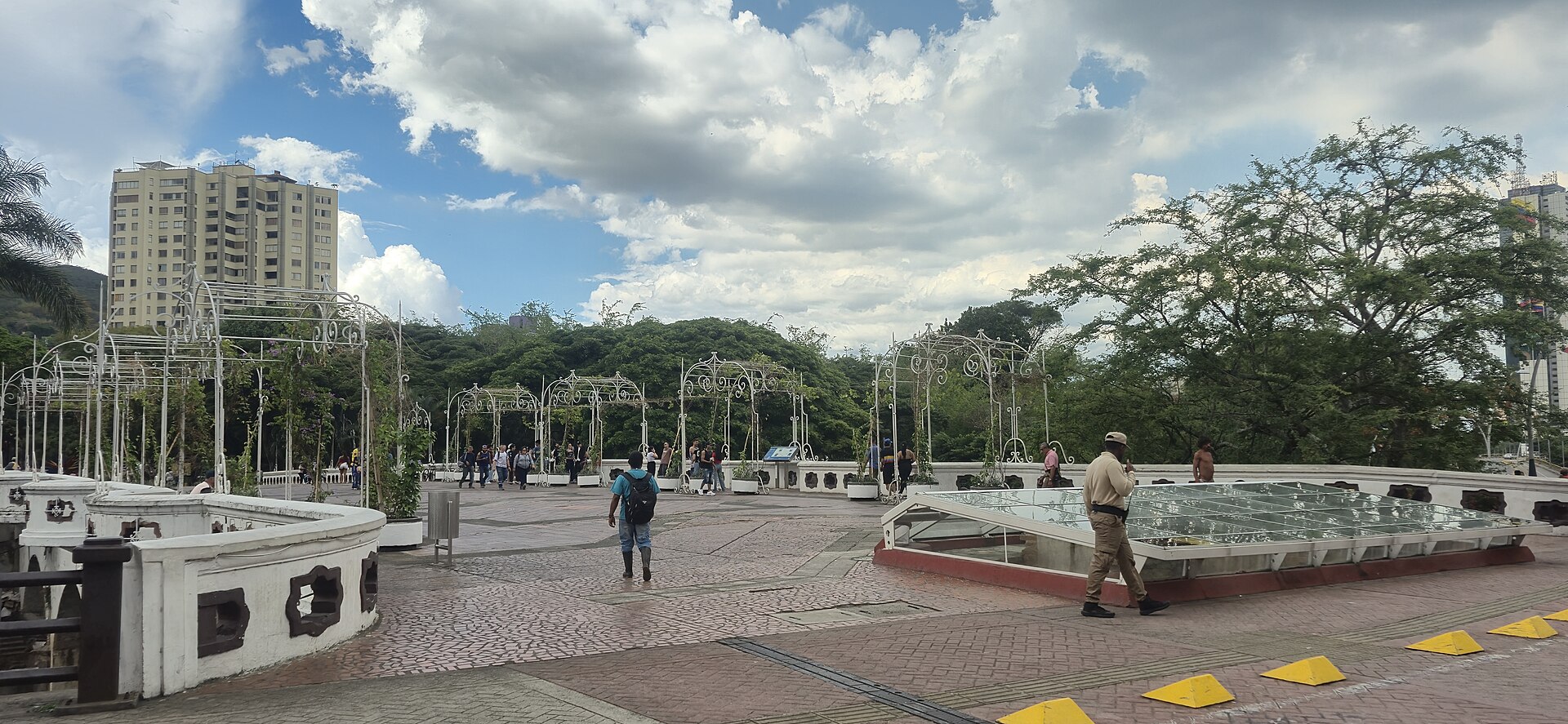
At the Parque de la Retreta in Cali, Petro said “no se trata de esperar hasta el 2027” and “no se trata de esperar hasta el 2030” (it is not about waiting for 2027 or 2030). He added that “la movilización tiene que ser ya permanente y cada vez más amplia” (the mobilisation must now be permanent and ever wider).
He also said “quizás no hay que esperar el voto” (perhaps one need not wait for the vote), and he has repeated his claim that the election was marred by fraud. De la Espriella, who took office on 7 August, says close to 13 million Colombians backed him.
In his reply that evening, De la Espriella said: “Con la democracia y con Colombia no se metan” (leave democracy and Colombia out of it). “Lo que jamás voy a aceptar es que atente contra la democracia, promueva un golpe de Estado o pretenda destruir a Colombia,” he said of Petro.
De la Espriella also turned to Washington. He said the United States has jurisdiction to investigate and prosecute Petro, adding “ojalá encarcelarlo” (I hope he is jailed).
On the protests, the president wrote that peaceful protest is a constitutional right he respects, but that violence and road blockades are no one’s right. Javier Garcés, Cali’s security secretary, said the Cali march ran normally.
Representative Daniel Briceño of the Centro Democrático, the conservative party of former president Álvaro Uribe, wrote that Petro “anuncia un golpe de Estado” (announces a coup). Representative Julio César Triana of Cambio Radical, a centre-right party, also called the speech a coup call.
Legal experts are split on the label. Francisco Bernate, president of the Colombian College of Criminal Lawyers, called it “un discurso incendiario, pero no tiene una connotación penal” (an inflammatory speech, but with no criminal element).
Juan Manuel Charry, a constitutional lawyer, said it is “no es propiamente un golpe de Estado” but a call to disregard authority that could amount to a crime. Under Article 173 of the Constitution only the Senate, the upper house of Congress, can accept a president’s resignation, so a street demand alone cannot remove anyone.
The stake for investors and other readers abroad is the fiscal plan itself, because it is the government’s main tool for repairing public finances and its fate rests on Congress and the street. We found no confirmed estimate of the bill’s savings, so we do not give one.
No date for a vote on the bill has been made public, so the next test is whether the marches grow as Petro asks and whether Congress moves the bill. For background, see our reports on the president’s first 100 days, the lawsuit over Decree 1525 and our Colombia news page.
Frequently Asked Questions
Did Petro call for a coup in Colombia?
Opposition lawmakers say he did. One criminal lawyer said the speech has no criminal element, and a constitutional lawyer said it is not strictly a coup.
What is the bill behind the march?
It is the government’s fiscal package, the Economic Rescue Law, still in committee in the Chamber of Representatives. Its opponents say it would raise income tax.
What happens next?
No vote date has been published for the bill. The next signal is whether Congress schedules it and whether the marches grow.
Sources
Statements by former president Gustavo Petro and President Abelardo de la Espriella, 19-20 November 2026 · Bill 477 of 2026, Chamber of Representatives, Colombian Congress · Colombian Constitution, Article 173
In depth
This article was produced by The Rio Times’ automated AI newsroom. Editorial responsibility: Matthias Camenzind, Publisher and Editor-in-Chief. The Rio Times also runs Ask Rio Times, which answers from 100,000+ of our own articles, the daily Latin America Power Map, and prediction-market odds on elections and markets.. How we use AI · Report an error