Hegseth Says Colombia Authorized Joint Military Operations With the US; Bogotá Has Not Confirmed
Colombia · Security
Key Facts
- New member Hegseth said Colombia would join the US-led Americas Counter-Cartel Coalition — nicknamed the Shield of the Americas (Escudo de las Américas) — as its 19th member, announced 12 August 2026.
- Joint ops Defense Secretary Pete Hegseth said Colombia authorized “joint military operations to destroy terrorists and terror networks” at the Panama City anti-cartel conference.
- Troop offer President Abelardo de la Espriella offered to host US troops on Colombian soil, pledging to intensify the fight against drug-trafficking criminal groups.
- Cyber tools President Trump signed a National Security Presidential Memorandum empowering US federal law enforcement to use cyber tools against transnational criminal organizations operating abroad — broad, not Colombia-specific.
- ICC warning Hegseth urged coalition members to leave the International Criminal Court, calling it a “lawless power grab” that strips governments of their sovereignty.
The real test isn’t the ceremony in Panama — it’s what happens next in the jungle. For a country that has spent decades fighting cartels, if it holds, this arrangement would hand Washington a direct role in Colombia’s internal security, and that changes the calculus for every foreign investor watching the region.
If you live in Bogotá or Medellín, or you’re weighing a move to Colombia’s cities, the news from Panama City on 12 August 2026 matters more than most policy announcements. US Defense Secretary Pete Hegseth announced that Colombia had authorized Colombia joint military operations with the United States against drug cartels — though Bogotá had not publicly confirmed the details that afternoon. President Abelardo de la Espriella, newly inaugurated and openly pro-US, had separately offered to host American troops on Colombian soil. This isn’t a distant diplomatic handshake — it’s a structural shift in how Colombia fights its longest-running war, and it comes with real consequences for security, politics, and the business climate.
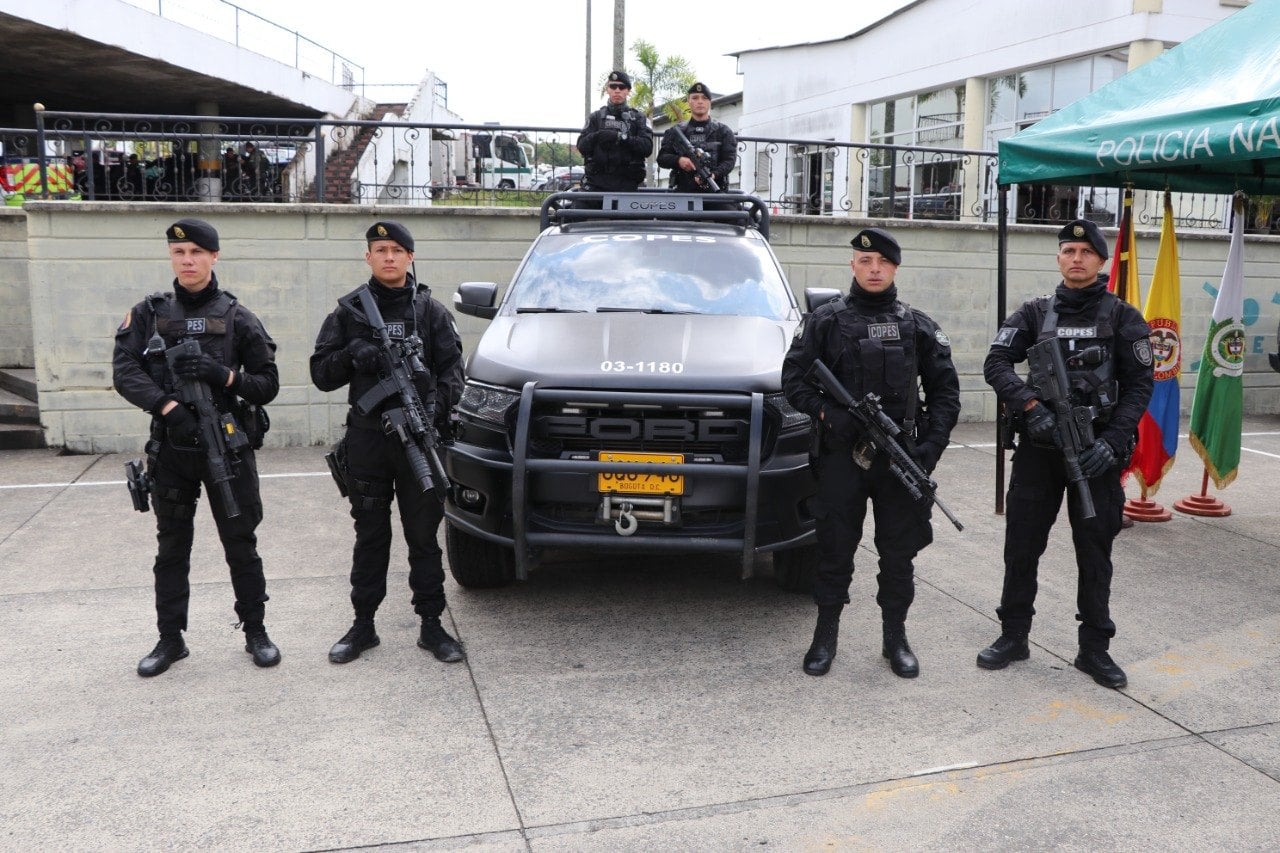
Inside the Colombia Joint Military Operations Announcement
Speaking at the anti-cartel conference in Panama City on 12 August 2026, US Defense Secretary Pete Hegseth framed the deal as an expansion of Washington’s campaign against cartels across Latin America. Hegseth said Colombia’s newly inaugurated president had “requested that the Department of War join Colombia in its fight against narco-terrorism, authorizing joint military operations to destroy terrorists and terror networks.” (The Trump administration now styles the Pentagon the Department of War.) The language is deliberately broad — it covers not just drug trafficking but the armed groups that profit from it, which in Colombia means a tangled web of guerrillas, paramilitaries, and organized crime.
The second part of the announcement was Colombia’s planned entry into the Americas Counter-Cartel Coalition — nicknamed the Shield of the Americas (Escudo de las Américas) — as its 19th member. De la Espriella, who took office in early August, had promised to intensify the fight against criminal groups and offered to host US troops; he also said Colombia would host the coalition’s headquarters in Medellín, and Washington has pledged US$1 billion in security assistance. That offer is significant: it suggests a level of military integration that goes beyond the traditional partnership Colombia has had with the US under Plan Colombia-era agreements.
Why This Matters for Colombia’s Security Landscape
For decades, Colombia has been the US’s closest military ally in South America, receiving billions in aid and training. But this is different. Joint military operations with US forces inside Colombian territory, aimed at “terrorists and terror networks,” would effectively make the Pentagon a co-combatant in Colombia’s internal conflict. That has immediate implications for the groups that control large parts of the countryside — particularly the ELN and dissident FARC factions, which finance themselves through cocaine trafficking.
The timing is notable. De la Espriella took office recently, and this is one of his first major foreign policy moves. By tying his administration’s legitimacy to a US-backed military campaign, he’s betting that voters and investors will see a tougher security posture as a positive. But it also risks deepening the political divide: left-wing critics will likely frame this as a surrender of sovereignty, while right-leaning supporters will see it as the only realistic way to break the cartels’ grip on border regions like Catatumbo.
The Broader US Strategy — Cyber Tools and the ICC
The Colombia announcement didn’t happen in a vacuum. In August 2026, President Trump signed a National Security Presidential Memorandum authorising vetted private companies to run cyber surveillance and cyber effects operations against foreign cyber-enabled criminal organisations, under federal control and oversight operating in foreign jurisdictions. The memorandum creates a program for “specific cyber operations” against such groups. The wording is broad — it’s not Colombia-specific — but it signals that Washington intends to hit cartels not just with bombs and boots on the ground, but with digital infiltration, surveillance, and disruption of their financial networks.
Hegseth also used the Panama City stage to renew his attack on the International Criminal Court. He urged coalition members to leave the ICC, calling it a “lawless power grab” that robs governments of their sovereignty — a warning that landed as the court weighed scrutiny of US boat strikes on alleged drug vessels. That’s a pointed message for Colombia, which is a signatory to the Rome Statute. If Bogotá follows Hegseth’s advice and withdraws, it would be a major break with the international legal order — and a signal that Colombia is aligning its legal framework with Washington’s preferences over multilateral norms.
What This Means for You — Investor and Expat Read
If you’re living in Colombia or thinking about moving there, the immediate effect is likely to be psychological. A visible US military presence, even if limited to training and advisory roles, changes the perception of safety. In cities like Bogotá, Medellín, and Cartagena, crime is driven more by urban gangs than by the rural cartels this deal targets. But the spillover effects matter: if joint operations succeed in disrupting cocaine supply chains, you could see shifts in local violence as groups fight over shrinking revenue.
For investors, the calculus is more complex. A tougher security posture can lower risk premiums in the long run, especially in sectors like agriculture, energy, and logistics that operate near conflict zones. But it also introduces geopolitical risk. Aligning this closely with the US — especially on the ICC question — could strain Colombia’s relations with other Latin American governments and with European partners. If you’re holding Colombian assets, watch how the region reacts. The deal is a statement of intent, but the proof will be in execution, and that’s where the uncertainty lies.
More: Colombia news in English, every day from The Rio Times.
The big picture: Colombia explained — economy, politics, society and daily life in one read.
Frequently Asked Questions
What exactly did Colombia authorize?
Colombia authorized joint military operations with the United States to destroy terrorists and terror networks, specifically targeting drug trafficking organizations. The announcement was made by US Defense Secretary Pete Hegseth on 12 August 2026 at a conference in Panama City.
Is the US sending troops to Colombia?
President Abelardo de la Espriella offered to host US troops on Colombian soil, but the scope and number of troops have not been confirmed. The offer is part of the broader joint operations agreement announced in Panama City.
What is the “Escudo de las Américas” coalition?
It’s the Spanish name for the Americas Counter-Cartel Coalition, a US-led initiative to combat drug cartels across Latin America. Colombia became its 19th member on 12 August 2026.
Connected Coverage
Sources: US Department of War (Secretary Pete Hegseth, Panama City, 12 August 2026); Associated Press; ColombiaOne; CBS News; The White House (National Security Presidential Memorandum); Al Jazeera.
This article was produced by The Rio Times’ automated newsroom system. How we use AI · Report an error
Read More from The Rio Times