Chile Stopped Two Highway Awards Just Before Signing, and Spain’s Builders Are Getting Nervous
Chile · Infrastructure
Key Facts
- —What happened Chile froze two road concession awards in Gran Concepción just before signing, worth about US$400 million combined.
- —How big a jump Spain’s Sacyr holds 26 Chilean concessions, about 36% of its global portfolio, and is most exposed.
- —The real story Spain’s builders fear Chile has broken its 30-year promise that tenders run to the end once decided.
- —The catch No contract was cancelled because the award decree was never signed, so the decision is a postponement, not abandonment.
- —Who it touches Spanish firms Azvi, Sacyr, ACS and Acciona were preparing to bid on about US$1.7 billion of delayed road work.
- —What comes next Biobío’s roads will be built by the state instead, pushing completion from 2031 to around 2035, Azvi says.
The roads will still get built. The question is who bids for the next ones, and at what price.
Chile has spent thirty years telling foreign builders that its infrastructure programme is predictable. This month it stopped two Chile road concessions in the Biobío region at the very last procedural step, on budget grounds, and the Spanish companies that dominate the bidding took notice. Nothing was torn up, because nothing had been signed — and that distinction is doing a lot of work in this story.
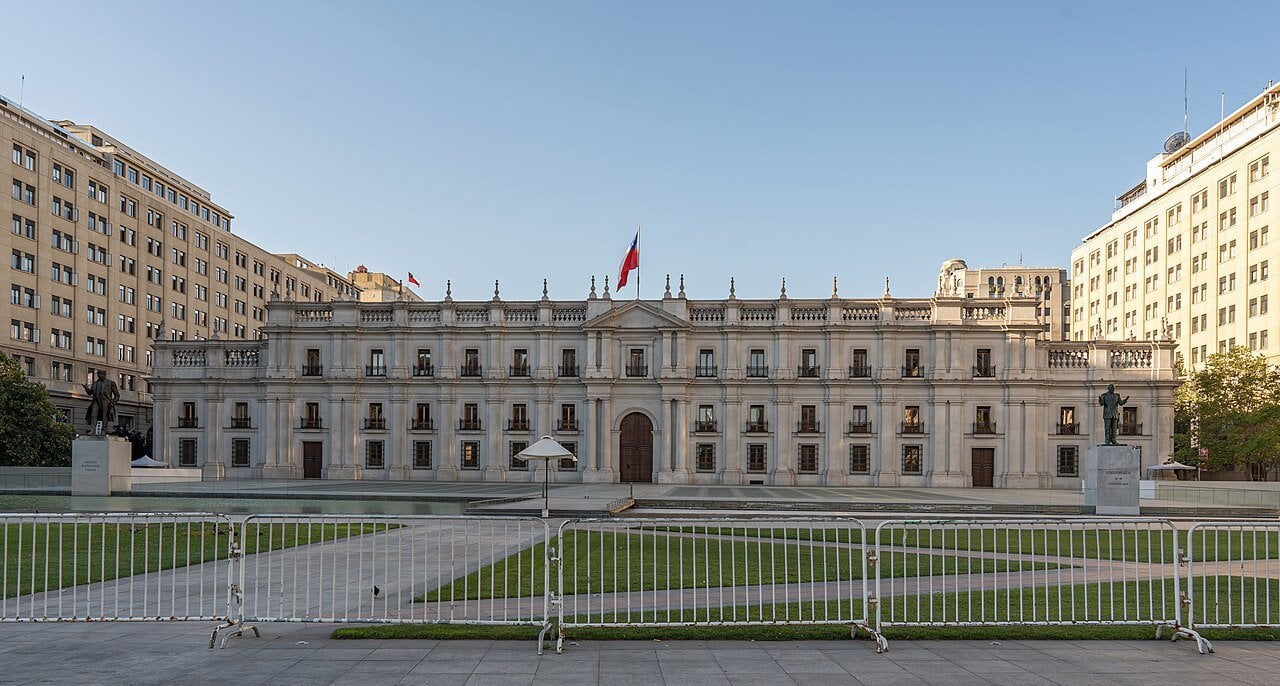
What actually happened to the Biobío Chile road concessions
On 4 August, Chilean outlets reported that the Finance Ministry had frozen the processing of the award decrees for two public transport corridor projects in Gran Concepción: the Route 160 corridor, and the Route 150 – Concepción-Talcahuano motorway corridor, a single 9.3-kilometre project despite the two road names in its title. Together they are worth roughly US$400 million.
Both had been through their tender processes. What was outstanding was the formal award decree, the last box to tick. It never got signed.
Finance Minister Jorge Quiroz framed it as a response to fiscal tightness, and was explicit that this was postponement rather than abandonment. The Chilean Chamber of Construction’s Critical Connectivity Observatory put about US$400 million and some 15,000 direct and indirect jobs in the frame.
By 10 August, Spanish and Chilean media were reporting that the Public Works Ministry had written to Azvi, the Seville-based group that operates in Chile through its Cointer subsidiary, suspending its provisional adjudication of the two corridors. That is a weaker event than a cancelled contract, and a more interesting one.
The roads are not cancelled — the delivery model is
This distinction gets lost in most of the coverage. On 5 August, before the Azvi news broke, Biobío Governor Sergio Giacaman said the works would not be paralysed. They would instead be executed by the National Roads Directorate as the Public Works Ministry’s own projects, at about US$400 million and roughly 4,000 direct jobs.
That 4,000 figure and the Chamber of Construction’s 15,000 are not rival estimates. One counts direct employment, the other direct plus indirect, for the same two corridors.
So the region still gets its roads. What it does not get is a private concessionaire building them, operating them and being repaid over decades. The state pays instead, from a budget the Finance Ministry has just described as tight.
Giacaman also complained that he learned of the decision from the press rather than official channels. Azvi’s own reading is that the public-works route pushes realistic completion from the end of 2031 to around the end of 2035.
Two more auctions slipped, for different reasons
Halting one award is a bad week; a pipeline that keeps moving is a pattern. But the two tenders cited alongside Biobío are not clean examples of one.
The second Route 5 Collipulli–Temuco concession, officially budgeted at about US$1.145 billion, had its bid reception pushed from August to late September. Then, on 19 August, Public Works Minister Louis de Grange said the whole process moves to the first quarter of 2027 — to strengthen the projects before the call, in his framing, rather than for lack of money.
The road accesses to Valdivia, budgeted at about US$567 million, now take offers in December with economic bids opened on 15 January. That is the third postponement of a tender that has been sliding since the previous government, so reading it as a new decision would be wrong.
Together that is roughly US$1.7 billion of work that ACS, Sacyr and Acciona had been preparing to compete for. Neither delay is a cancellation. But sitting next to Biobío, the message a bidder takes home is that Chilean fiscal policy now sits upstream of the concessions calendar.
About that US$8 billion figure
The number circulating in the Spanish press — US$8 billion of investment and 95,000 jobs at risk — comes from the Instituto Coordenadas para la Gobernanza y la Economía Aplicada, a Spanish think tank, in a note published on 19 August. It is worth separating what is official from what is theirs.
The US$8.016 billion across 22 tender processes for 2026 and 2027 is Chile’s own published concessions pipeline, and it was circulating in Chilean coverage before the institute’s note. So is the observation that more than twenty awarded projects worth over US$10 billion have not started work.
The extrapolation is the institute’s. It applies an official Public Works Ministry ratio — roughly US$3.7 billion of investment to 44,000 annual jobs — and then a multiplier of 1.5 from the Chilean Chamber of Construction, arriving at about 95,000 jobs in limbo and some US$12 billion of activity it says will not happen.
Take it for what it is: an advocacy document with a transparent method, from an organisation arguing that Chile has broken a thirty-year standard. The method is stated openly, which is more than most such numbers offer.
Why this matters if you are invested in Latin America
Chile’s concession model has been the region’s showpiece for three decades. Roads, airports, prisons and hospitals built with private money, on the understanding that the process runs to its end once a tender is decided. That reputation is why European builders treat Chile as a low-risk market and price their bids accordingly.
Sacyr is the most exposed name. Chile holds 26 of its concession assets, about 36% of its global portfolio, including Ruta 68 and the Coquimbo desalination plant. It has bid for the second Route 57 Santiago–Colina–Los Andes concession and is weighing Route 5 Caldera–Antofagasta, whose tender the ministry voided in January pending a redesign. OHLA and ACS are watching for the same reason.
If bidders start pricing in the chance that an award stalls before signature, bids get dearer or fewer firms turn up. Either outcome costs Chile money on every future project, which is an awkward result for decisions taken to save money.
The counter-argument deserves a hearing. A government that inherits commitments it cannot fund has to say so, and building a road directly can be cheaper over thirty years than paying a concessionaire’s return. The problem is not the choice. It is making it after the tender has been run and the winner told.
More: Chile news in English, every day from The Rio Times.
Frequently Asked Questions
What happened to the Chile road concessions in Biobío?
Chile’s Finance Ministry froze the processing of the award decrees for two public transport corridor projects in Gran Concepción — the Route 160 corridor and the Route 150–Concepción-Talcahuano motorway corridor — in decisions reported from 4 August 2026. The Public Works Ministry then suspended Spanish builder Azvi’s provisional adjudication of both. Because the award decree had never been signed, no concession contract was formally cancelled.
Will the roads still be built?
Yes, according to Biobío Governor Sergio Giacaman, who said on 5 August that the works would not be paralysed and would instead be carried out by the National Roads Directorate as Public Works Ministry projects — about US$400 million and roughly 4,000 direct jobs. Azvi expects that route to push realistic completion from the end of 2031 to around the end of 2035.
Where does the US$8 billion figure come from?
The US$8.016 billion across 22 tender processes for 2026 and 2027 is Chile’s own published concessions pipeline. The Instituto Coordenadas para la Gobernanza y la Economía Aplicada, a Spanish think tank, used it on 19 August 2026 to derive about 95,000 jobs in limbo, applying a Public Works Ministry ratio of roughly US$3.7 billion of investment to 44,000 annual jobs and a 1.5 multiplier from the Chilean Chamber of Construction. The jobs figure is the institute’s extrapolation, not an official estimate.
Which Spanish companies are affected?
Azvi directly, through its Cointer subsidiary, having lost its provisional adjudication of the two Biobío corridors. Sacyr is the most exposed of the rest — Chile holds about 36% of its global concession portfolio — and OHLA and ACS are on alert over the precedent. ACS, Sacyr and Acciona had been preparing bids for the Route 5 Collipulli–Temuco and Valdivia access tenders, both now postponed.
Connected Coverage
Chile Reworks Prison Concessions to Unlock US$2.65 Billion in Works
Sources: Diario Financiero — Hacienda freezes the Gran Concepción public transport corridors worth US$400 million; BioBioChile, 5 August 2026 — Governor Giacaman says the Gran Concepción corridors will go ahead, but not as concessions; Diario Financiero — the end of Azvi’s Chilean concessions raises alarms among Spanish firms; Ministry of Public Works, Concessions Directorate — Second Concession Route 5, Collipulli–Temuco section; Ministry of Public Works, Concessions Directorate — Accesses to Valdivia; TheObjective, 19 August 2026 — Instituto Coordenadas on Chile’s suspension of concessions
This article was produced by The Rio Times’ automated newsroom system. How we use AI · Report an error · Editorial responsibility: Matthias Camenzind, Editor-in-Chief
In depth