SQM Will Spend US$3 Billion by 2028, Most of It on One Salt Flat
Chile · Mining
Key Facts
- —What happened SQM extended its investment plan to US$3 billion by 2028, mostly for one salt flat.
- —How big a jump The budget covers 2026 to 2028, with record lithium sales last quarter.
- —The real story The money rebuilds Atacama operations with Codelco, giving Chile state control.
- —The catch The three-year and seven-year figures overlap, describing largely the same money.
- —Who it touches The plan affects Chile’s lithium triangle rivals Argentina and Bolivia, with contrasting models.
- —What comes next The bet depends on lithium prices recovering from a two-year slump.
A record quarter, a bigger budget, and a partnership with the Chilean state that will outlast several governments.
SQM had a good quarter — a record one, on lithium — and used the earnings call to extend its spending horizon. The SQM investment plan now runs to 2028 and totals roughly US$3 billion. Almost all of it goes to one place: the salt flat in the Atacama desert that SQM has worked for decades, and is now rebuilding with the Chilean state.
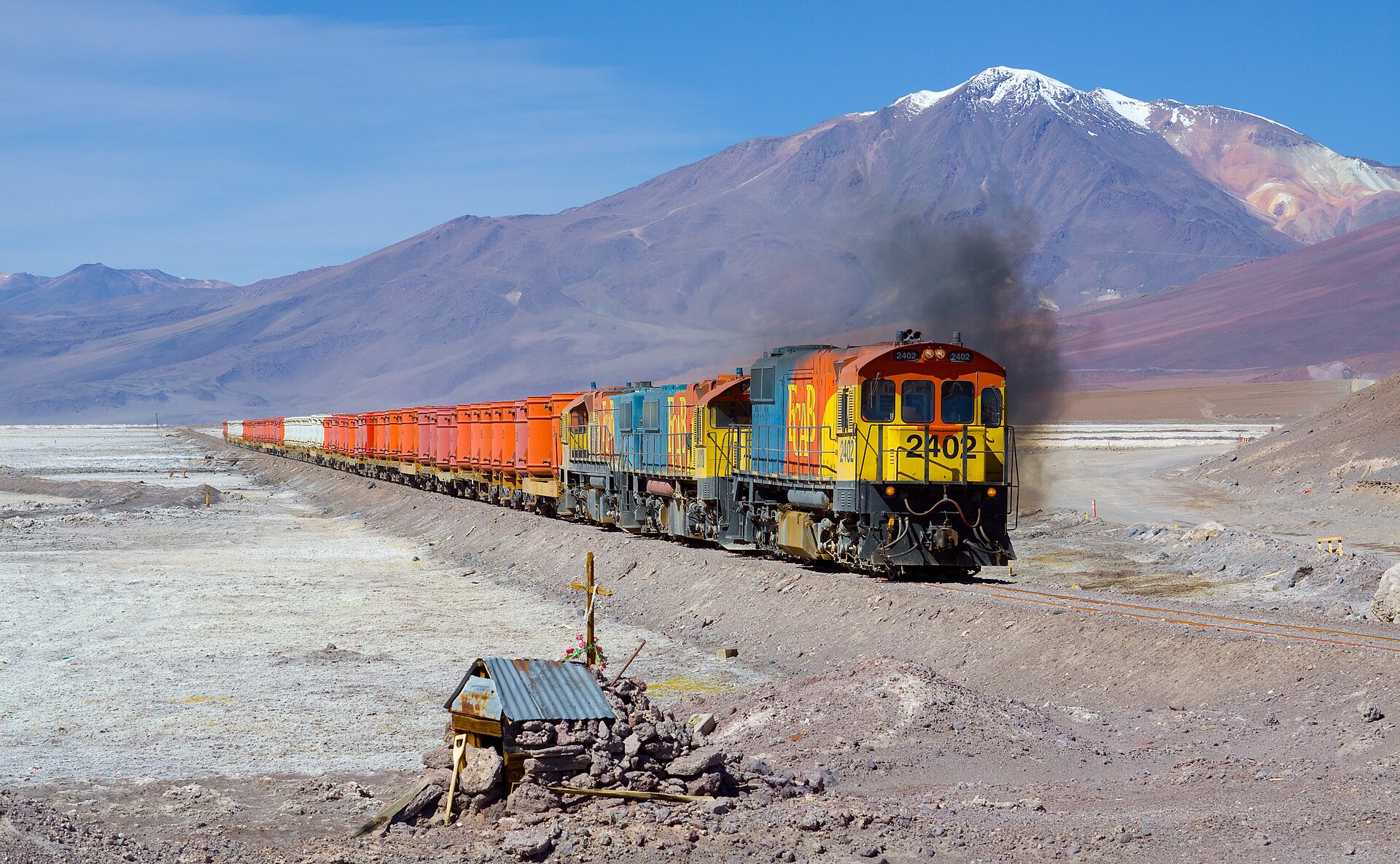
What the SQM investment plan covers
Management told the second-quarter earnings call that spending should reach about US$3 billion between 2026 and 2028. The company said the money is mainly for future growth and lower costs.
At the centre of it is Salar Futuro, a rebuild of SQM’s Salar de Atacama operations with Codelco. That project is put at roughly US$3 billion over about seven years, to lift output while cutting the damage done to the salt flat.
The two figures do not add up to US$6 billion. The three-year spending window and the seven-year project budget overlap heavily. They are two views of largely the same money.
Why Codelco is in the picture
Chile treats lithium as a strategic mineral. The state has spent three years turning that idea into real deals. The one between SQM and Codelco is the biggest. It gives the state a controlling role in Atacama lithium from the second half of this decade.
For SQM, the deal swapped control for time. Its Atacama licences were due to run out, and the partnership lets it keep mining well beyond that. For Chile, it means a share of the money without taking over a working business.
The Salar Futuro spending is what that agreement looks like in practice. It is also why the environmental promises are so visible. Pumping brine from the Atacama is politically contested, and the partnership needs local support.
Live Company IntelligenceSociedad Quimica y Minera de Chile SA ADR B — the full investor dossier
Wall Street view
Valuation & profitability
Price & risk
$39.7952-wk high
$96.09
Revenue trend · 6y
Ownership
Dividend
The quarter behind the decision
SQM’s second-quarter results beat expectations, with record lithium sales and a better outlook. The shares rose on the news. Lithium prices have been weak for two years, so a record quarter by volume stands out. The company is selling more, not selling dearer.
That is the logic behind the spending plan. When prices are low, the winners are the producers with the lowest costs. Salar Futuro is about costs and the environment as much as about volume.
Why this matters if you live in Latin America
The lithium triangle — Chile, Argentina and Bolivia — holds most of the world’s known reserves. The three have taken three different paths. Chile chose a state partnership. Argentina chose tax breaks under a scheme called RIGI. Bolivia chose state control, which has produced very little.
This is what the Chilean model looks like when it works. A private company still runs the plant. The state holds a controlling stake and takes a share of the money. And the spending plan is big enough to matter.
The open question is prices. A US$3 billion promise made during a two-year price slump is a bet that demand recovers first. If it does not, the Atacama will keep producing, but the sums behind every lithium plan in the region change.
More: Chile news in English, every day from The Rio Times.
Frequently Asked Questions
What is the SQM investment plan?
SQM told its second-quarter 2026 earnings call that it expects to spend about US$3 billion between 2026 and 2028, mainly on future growth and lower costs. Most of it goes to Salar Futuro, its rebuild of operations in the Salar de Atacama.
Is that the same as the Salar Futuro budget?
They overlap. Salar Futuro is put at roughly US$3 billion over about seven years. The three-year figure and the seven-year figure describe largely the same money, so they should not be added together.
What is Codelco’s role?
Codelco, the Chilean state copper company, is SQM’s partner in the Salar de Atacama arrangement, which gives the state a controlling role in lithium production there from the second half of this decade while SQM continues to operate. The deal extended SQM’s operating horizon beyond the expiry of its concessions.
Connected Coverage
Chile’s Lithium Producer SQM Posts a US$660 Million Quarterly Profit
Sources: Reuters — SQM shares rise after an earnings beat and a higher lithium outlook; Investing.com — SQM Q2 2026 slides: lithium sales surge drives record results
This article was produced by The Rio Times’ automated newsroom system. How we use AI · Report an error · Editorial responsibility: Matthias Camenzind, Editor-in-Chief
In depth