
Key Facts
- Case. A 33-year-old man who travelled to the Democratic Republic of Congo died in Palmira on Saturday 31 October 2026.
- Second patient. A 50-year-old man who also travelled to Congo is in isolation in Cali.
- Diagnosis. Colombia’s health institute confirms malaria in both men; no Ebola case is confirmed.
- Status. As of 1 November 2026, 12:00 GMT
A Colombian man who had travelled to the Democratic Republic of Congo died on Saturday 31 October 2026 in Palmira, in the Valle del Cauca region. Health officials say the confirmed diagnosis in him and a second traveller is malaria, and no Ebola case has been confirmed in Colombia.
The fear of a Colombia Ebola case has so far met a different answer from the national public-health institute. The Instituto Nacional de Salud (INS) says both patients have Plasmodium falciparum, the most severe form of malaria.
US readers are watching closely because Ebola fears are high and Colombia is a major destination for American travellers. From 3 November 2026, passengers flying to the United States from any country, Colombia included, must sign an Ebola form saying they were not in Congo for 21 days.
What We Know
Two men who had travelled to Congo are in Valle del Cauca, a department in south-west Colombia. A department is the Colombian equivalent of a state.
The first patient, aged 33, died on Saturday 31 October 2026 in a hospital in Palmira. The second patient, aged 50, is in isolation in a hospital in Cali.
Both men had a history of travel to Congo and a fever. For that reason, the INS and the Ministerio de Salud (Colombia’s Ministry of Health) activated surveillance protocols.
These checks are meant to rule out other public-health threats, including Ebola. Samples were taken, and laboratory analysis is under way.
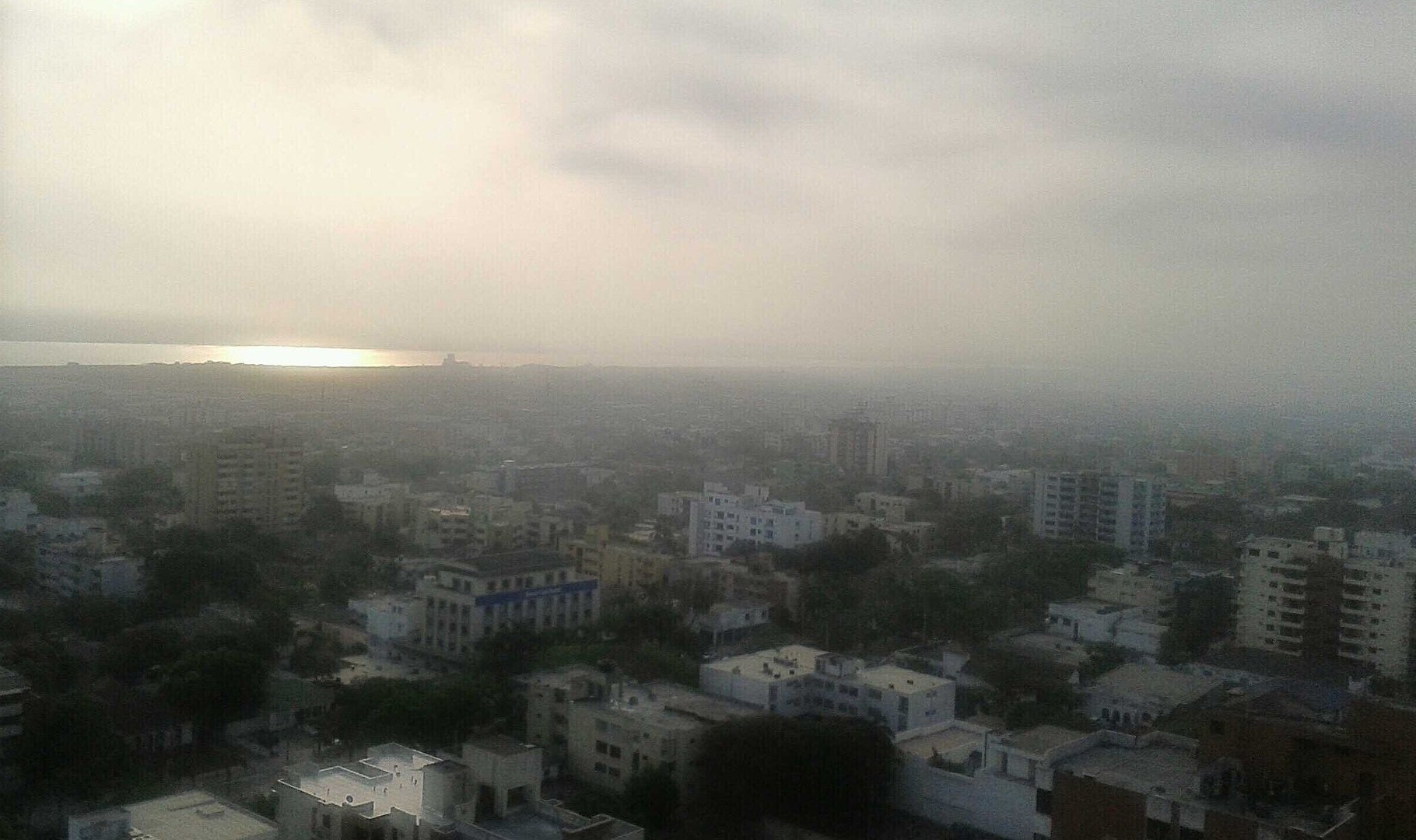
The INS says that, so far, the confirmed diagnosis in both patients is malaria. Officials have not confirmed Ebola in either man.
The checks make sense given the size of the outbreak in Congo. It stood at 5,026 deaths and 10,351 confirmed cases as of 30 October 2026, and our explainer on the Congo outbreak sets out how it began and where it stands.
In Plain English
INS. The Instituto Nacional de Salud is Colombia’s national public-health institute. It runs laboratory testing and disease surveillance for the country.
Malaria. It is a disease caused by parasites that infected mosquitoes pass on through bites. Plasmodium falciparum is the parasite behind its most severe form.
Ebola. It is a different and rare virus that spreads through contact with the body fluids of an infected person. Early symptoms such as fever can look similar to malaria, which is why doctors test for both.
What Is Not Known
The INS has not said whether the laboratory results for Ebola are final. Until they are, malaria is the only diagnosis officials describe as confirmed.
It is also unclear how and when the two men travelled to and from Congo. Officials have not published further medical details about the man who died.
We will not speculate about his case, and we are not naming him.
What It Means for Travelers and US Readers
No Ebola case is confirmed in Colombia, and the diagnosis confirmed so far is malaria. Reports of an Ebola case should be treated as unconfirmed unless the INS or the Ministry of Health says otherwise.
Malaria is ordinarily spread by the bite of infected mosquitoes, not by everyday contact with a patient. That is a key difference from Ebola, which spreads through contact with body fluids.
For passengers flying to the United States from any country, including Colombia, the new rule applies from 3 November 2026. It asks them to sign a statement that they were not in Congo during the previous 21 days.
Final laboratory results will settle the Ebola question. Until then, the official position is clear: malaria confirmed, Ebola not confirmed.
Frequently Asked Questions
Is there an Ebola case in Colombia?
No Ebola case has been confirmed in Colombia. The INS says the confirmed diagnosis in both patients is malaria, while laboratory analysis is under way.
What happened to the two men who travelled to Congo?
A 33-year-old man died on Saturday 31 October 2026 in a hospital in Palmira. A 50-year-old man is hospitalised in isolation in Cali.
Can malaria spread from person to person?
Malaria is ordinarily spread by the bite of infected mosquitoes, not by everyday contact with a patient. Ebola is different and spreads through contact with the body fluids of an infected person.
What must US-bound passengers do?
From 3 November 2026, all passengers flying to the US, including from Colombia, must sign an Ebola form stating they were not in Congo for the previous 21 days.
Sources
Source: Colombia’s Instituto Nacional de Salud and Ministerio de Salud statements, 31 October 2026
Connected Coverage
This article was produced by The Rio Times’ automated newsroom system. How we use AI · Report an error · Editorial responsibility: Matthias Camenzind, Editor-in-Chief