Senegal’s Cheikh Hamidou Kane Dies in Dakar at 98

Key Facts
- —What happened
- —His landmark work L’Aventure ambiguë, published in 1961, won the Grand Prix littéraire d’Afrique noire in 1962 and has been translated into roughly 40 languages.
- —Public service Kane held ministerial posts under presidents Léopold Sédar Senghor and Abdou Diouf, including planning and cooperation from 1981 to 1988.
- —Why it matters His central question of how to absorb Western knowledge without cultural self-erasure remains relevant to Africa’s current negotiations over money, governance and geopolitical autonomy.
- —What comes next Senegal is expected to hold commemorations honouring Kane’s literary and institutional legacy in the coming days.
Cheikh Hamidou Kane dies in Dakar at 98, ending a career that bridged Senegalese literature, government and international institutions. His 1961 novel L’Aventure ambiguë remains a defining text on the tension between Islamic tradition and Western education.
Cheikh Hamidou Kane, Senegal’s leading Francophone novelist and a former senior government official, died in Dakar at the age of 98.
A literary voice shaped by two worlds
Born on 2 April 1928 in Matam, northeastern Senegal, Kane grew up between Qur’anic education and French schooling. He later studied law and philosophy in Paris, an experience that would define his writing.
His first novel, L’Aventure ambiguë, was published in 1961. It follows a young Senegalese Muslim confronting Western education, cultural dislocation and the tension between tradition and modernity.
The book won the Grand Prix littéraire d’Afrique noire in 1962. It has since been translated into roughly 40 languages, making it one of the most widely read African novels of the postcolonial era.
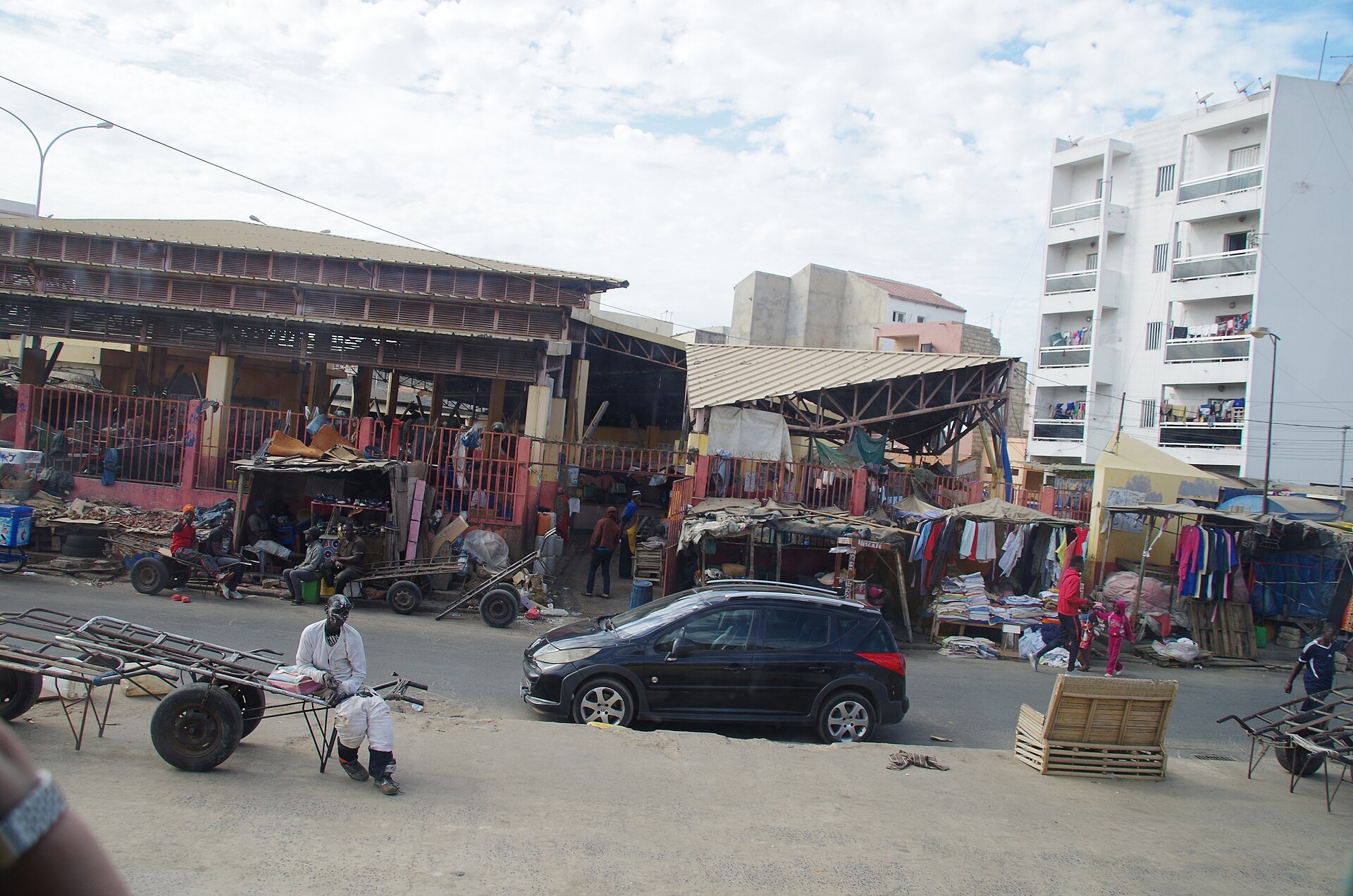
From literature to the corridors of power
Kane’s significance was institutional as well as literary. He served as a senior civil servant and worked for UNICEF in Africa, building a career that spanned culture, development and diplomacy.
He held ministerial posts under presidents Léopold Sédar Senghor and Abdou Diouf. These included industrial development and handicrafts from 1978, and planning and cooperation from 1981 to 1988.
His second novel, Les Gardiens du temple, appeared in 1995. It extended his exploration of how African societies negotiate change while preserving their core values.
The postcolonial bridge Cheikh Hamidou Kane dies representing
Kane’s death removes a figure whose career embodied Senegal’s postcolonial power structure. He was part of a generation of French-educated elites who translated between Islamic society, the Francophone state, international institutions and development finance.
That bridge is increasingly contested. Senegal now seeks greater sovereignty over resources and partnerships while balancing longstanding French ties against expanding Chinese, Gulf, Turkish and other external influence.
His central question of how to absorb Western knowledge without cultural self-erasure remains directly relevant. It speaks to Africa’s current negotiations over money, governance and geopolitical autonomy, themes explored in our pillar on Africa: The New Scramble.
A legacy beyond the page
Kane was not merely a writer but a participant in the construction of the modern Senegalese state. His ministerial roles placed him at the centre of economic planning during a formative period for the country.
His literary work, however, outlasted his political career. L’Aventure ambiguë continues to be taught in universities across Africa, Europe and North America.
The novel’s protagonist, Samba Diallo, grapples with the cost of Western education on his Islamic identity. That dilemma has not faded in the decades since publication.
What Senegal loses
Senegal loses a thinker who articulated the anxieties of a generation caught between colonial inheritance and national self-definition. His death also closes a chapter in the country’s cultural diplomacy.
The national significance of the loss was widely acknowledged.
The commemorations expected in the coming days will likely highlight both his literary achievement and his public service. They will also reopen debate about the unresolved questions his work raised.
The enduring question
Kane’s fiction asked whether it is possible to master Western knowledge without losing one’s soul. That question now animates debates about education, language policy and foreign investment across francophone Africa.
As Senegal negotiates new partnerships with external powers, the tension Kane described has not disappeared. It has simply moved from the classroom to the boardroom and the diplomatic table.
His death is therefore not only a cultural event. It is a reminder that the choices Senegal makes about sovereignty and partnership are, at their core, questions of identity.
Related reading: Cameroon Neighbours Explained, Central Africa in 2026; Eritrea Explained 2026, a Red Sea Country Guide; DR Congo Neighbours Explained, Central Africa in 2026; more from Africa.
Frequently asked questions
Who was Cheikh Hamidou Kane?
Cheikh Hamidou Kane was Senegal’s leading Francophone novelist and a former senior government official who served as a minister under presidents Léopold Sédar Senghor and Abdou Diouf.
What is L’Aventure ambiguë about?
Published in 1961, L’Aventure ambiguë follows a young Senegalese Muslim confronting Western education and the tension between tradition and modernity.
When did Cheikh Hamidou Kane die?
Cheikh Hamidou Kane died in Dakar at the age of 98.
What ministerial posts did Cheikh Hamidou Kane hold?
Cheikh Hamidou Kane held ministerial posts under presidents Léopold Sédar Senghor and Abdou Diouf. These included industrial development and handicrafts from 1978, and planning and cooperation from 1981 to 1988.
Connected Coverage
Sources
This article was produced by The Rio Times’ automated newsroom system. How we use AI · Report an error · Editorial responsibility: Matthias Camenzind, Editor-in-Chief