The Casa Argentina in Paris Loses Its Director, and a Memorial Plaque Is Still Missing
ARGENTINA · DIPLOMACY
Key Facts
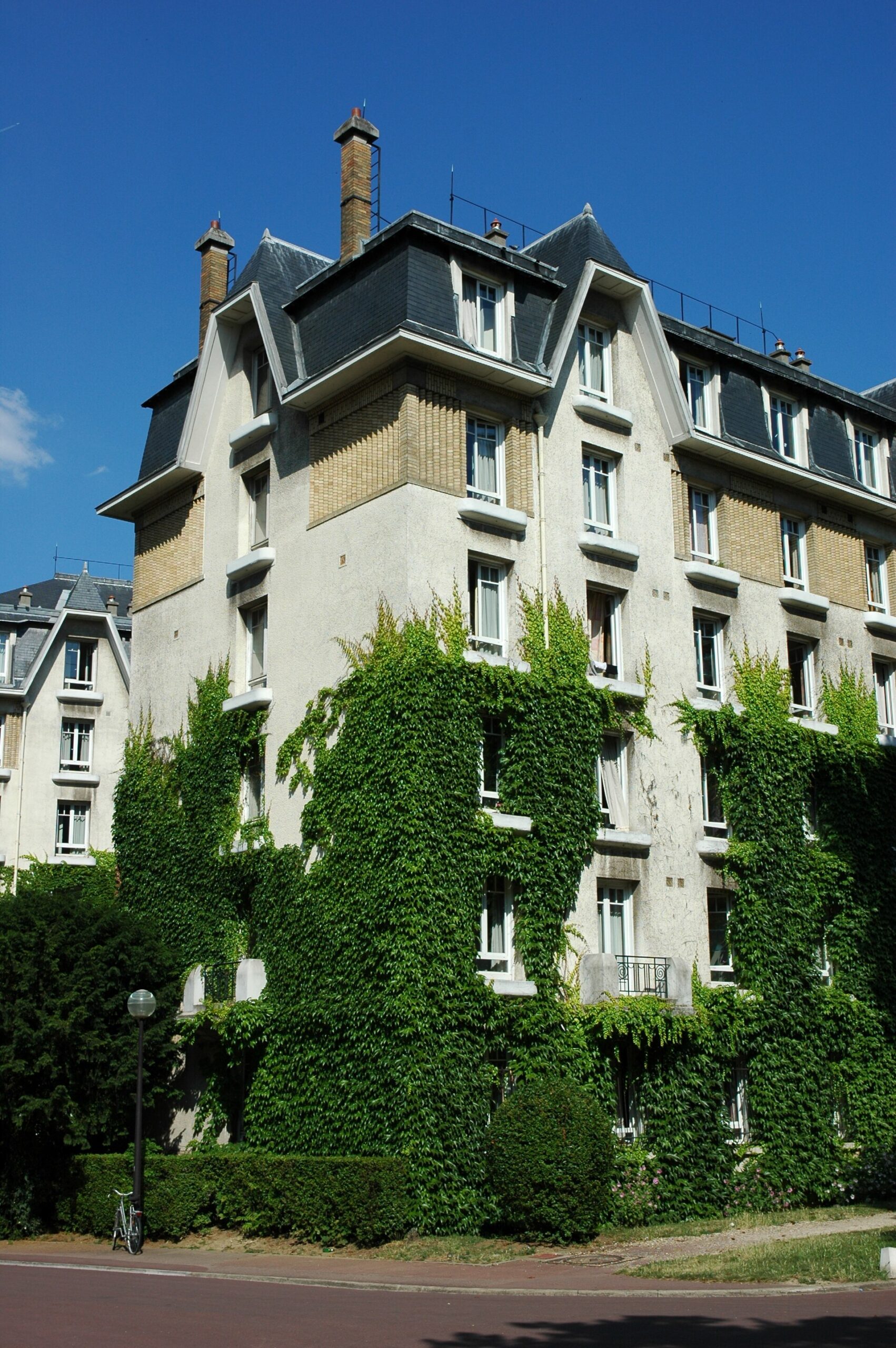
- The building A hall of residence for Argentine students on a leafy international campus in southern Paris.
- The man Santiago Muzio, a lawyer appointed in 2024, who said he wanted order and discipline there.
- The plaque A memorial to those who disappeared under Argentina’s dictatorship vanished in February.
- The students Thirteen Argentine residents were expelled after taking part in a commemoration.
- The letter More than a thousand academics, writers and diplomats demanded a full audit in June.
- The catch No audit result has ever been published, and he resigned before one appeared.
This story is part of our coverage of the France protests. Why France is protesting, strike dates, curfews and the 2027 race are in our dossier.
It is a hall of residence for Argentine students. For two years it has been the loudest cultural argument in Argentine diplomacy.
In the south of Paris there is a campus where more than forty countries keep houses for their students. The Casa Argentina has been at war with itself for two years.
On Sunday its director resigned. Working out why requires separating what he is actually accused of from what has been repeated about him.
What the Place Is
The Casa Argentina is a national pavilion inside the Cité Internationale Universitaire de Paris. It provides rooms for Argentine students and researchers.
It is not a cultural institute and not a diplomatic mission. That distinction matters, because the people who can discipline it include the campus administration and the Paris city government.
Santiago Muzio, a lawyer and a dual French and Argentine national, was appointed to run it in 2024 by the Milei government. Room capacity fell from 90 to 50 during his tenure.
The Missing Plaque
The best documented complaint has nothing to do with money. A plaque commemorating those who disappeared under the 1976 to 1983 dictatorship has been absent since 10 February 2026.
It was installed on 24 March 2022, the anniversary of the coup that began the dictatorship. Where it went has never been explained.
In Argentina, 24 March is a national holiday of remembrance, and the number thirty thousand is a political statement in itself. Removing a plaque bearing it is not a housekeeping decision.
Thirteen Argentine residents are reported to have been expelled from the house after taking part in a commemoration that day. Critics say the grounds were ideological.
Muzio also declined to sign the campus charter of values, which bars discrimination on grounds of gender and sexual orientation. He said he was following the Argentine government’s line, which recognises two sexes.
An association of Argentine citizens in France alleges that rooms were made available at weekends to a French political institute. It also cites an event in November 2025 with Polish and Hungarian think tanks.
The Money Question Is the Weakest One
Coverage has summarised his departure as following allegations about funds. That inverts the weight of the file.
The financial complaint is narrow. It alleges irregularities in building works and a lack of clarity over renovation spending.
Works are said to have begun without authorisation from the campus or the Paris municipality, and without an architect chosen by competition. Salons belonging to the Argentine state were also rented out.
A public letter dated 6 June 2026 requested a full audit, administrative, accounting and technical. More than a thousand academics, writers, artists and diplomats signed it.
No audit result has been published. No criminal referral, indictment or court case against Muzio appears in any source.
The mayor of Paris asked France’s foreign minister to investigate on 30 July 2026. That is a request rather than a proceeding.
What He Said About Himself
He was not, on the record, complaining about persecution. He declined to answer the French news agency and largely avoided responding to the accusations at all.
What he did say ran the other way. He told a French Sunday newspaper his aim was to take the house out of the grip of the left.
He wanted to restore order and discipline. On the charter he said he could not sign it in conscience.
He described his critics to La Nación as a minority of activists. Of the president he said his loyalty was unbreakable.
On the room rentals he said they were needed to bring the house back to financial balance. That is his explanation for the practice that drew the loudest objections.
The Timing
Two details around the departure come from single outlets. One is that the resignation was held quietly for about two weeks before becoming public.
The other links it to a planned Milei visit to France, variously reported for the end of October. The suggestion is that Buenos Aires wanted the matter closed first.
No formal foreign ministry statement has been issued. The departure was confirmed through unnamed officials, and a successor was named at the same time.
Alfredo Mario Soto, a lawyer specialising in private international law, takes over the Casa Argentina. The plaque has still not reappeared.
More: Argentina news in English, every day from The Rio Times.
Frequently Asked Questions
What is the Casa Argentina in Paris?
A national pavilion at the Cité Internationale Universitaire de Paris, providing rooms for Argentine students and researchers. It is not a cultural institute or a diplomatic mission.
What was the director accused of?
The best documented complaint is the disappearance of a memorial plaque to those who vanished under Argentina’s dictatorship, missing since February 2026, and the expulsion of thirteen residents after a commemoration.
Was he found to have misused funds?
No. A June 2026 letter with more than a thousand signatories demanded an audit of renovation spending. No audit result has been published and no criminal case is documented.
Why does a plaque matter so much?
In Argentina, 24 March marks the 1976 coup and is a national day of remembrance for those who disappeared. A memorial bearing that history is a political object, not decoration.
Who replaces him?
Alfredo Mario Soto, a lawyer and academic specialising in private international law, named at the same time the resignation was confirmed.
Sources: Infobae, La Nación, BAE Negocios, Filo News and Análisis Digital, together with the June 2026 public letter.
This article was produced by The Rio Times’ automated AI newsroom. Editorial responsibility: Matthias Camenzind, Publisher and Editor-in-Chief. The Rio Times also runs Ask Rio Times, which answers from 100,000+ of our own articles, the daily Latin America Power Map, and prediction-market odds on elections and markets.. How we use AI · Report an error