Who Dominates Cameroon, Elites and Regions Explained
CAMEROON · WHO HOLDS POWER
Key Facts
- Who rules President Paul Biya, 93, in office since 6 November 1982, governs through a small circle at the Unity Palace in Yaoundé.
- Parliament The ruling RDPC party (Cameroon People’s Democratic Movement) won 152 of 180 Assembly seats in 2020, and deputies’ terms now run to 20 December 2026.
- Succession A constitutional law of 14 April 2026 allows an appointed vice president, but the presidency’s official list shows nobody in the post.
- Regions The Centre and South are the political heartland, the West is the trading base, and the English-speaking North-West and South-West are at war with separatists.
- Inequality The World Bank counted 26.7% of people below the international poverty line in 2021, and a Gini score of 42.2 (0 equal, 100 unequal).
Cameroon power rests with one man, President Paul Biya, 93, and a small circle of officials, generals and party chiefs around him. This guide explains who dominates whom in 2026, which regions and groups hold the levers, and who is left out.

The President and the Palace Circle
Cameroon power starts with Paul Biya, who has been president since 6 November 1982. He was born on 13 February 1933 in Mvomeka’a, in the South Region, the presidency’s biography says.
The Constitutional Council, the court that certifies elections, declared Biya the winner of the 12 October 2025 vote with 53.66%. Issa Tchiroma Bakary, a former minister who ran against him, took 35.19% and rejects the result.
This Cameroon power circle runs through the secretariat general, led by Minister of State Ferdinand Ngoh Ngoh, the presidency’s list says. Samuel Mvondo Ayolo runs the civil cabinet, and Philemon Yang is grand chancellor of the national orders.
Prime Minister Joseph Dion Ngute joined the welcome party when Biya flew back to Yaoundé on 20 August 2026. The president appoints the prime minister, so the government answers to the palace.
- RDPC: the Cameroon People’s Democratic Movement, the ruling party, led by Biya since its founding in 1985.
- Unity Palace: the presidential palace in Yaoundé, where the secretariat general works.
- Constitutional Council: the court that certifies elections and confirms a vacancy of the presidency.
- Lamido: a Muslim traditional ruler of the north, often called a Fulani chief.
Parliament, Courts and the Succession Rules
Parliament has two chambers, and the RDPC dominates both. It won 152 of the 180 Assembly seats in the 2020 election, according to the Constitutional Council’s results.
Théodore Datouo, an RDPC deputy from the West region, is listed as Assembly president on its website on 31 October 2026. Law No. 2026/001 of 25 March 2026 extended every deputy’s term from 31 March to 20 December 2026.
The Assembly is convened for a regular session at 11 a.m. on Tuesday 10 November 2026, its website says. The Senate has 100 members, of whom 70 are elected by councillors and 30 are named by the president.
Aboubakary Abdoulaye, a traditional ruler, has led the Senate since 17 March 2026, the Senate says. On 16 October 2026 decrees 2026/334 and 2026/333 named Rémy Nama to lead the Constitutional Council, plus two members.
Who Takes Over If the President Cannot Serve
Law No. 2026/002 of 14 April 2026 changed the constitution so that the president may be assisted by a vice president. The vice president serves no longer than the president’s seven-year term, and Biya’s current term runs to 2032.
If the vice president also cannot serve, or the post is empty, an election must follow within 20 to 120 days. The president of the Senate acts as interim head of state, but may not change the constitution or run.
The presidency’s official list of the head of state’s collaborators, checked on 31 October 2026, shows no vice president. Our guide to Cameroon succession rules walks through the legal detail.
For the country at a glance, open our Cameroon hub. It collects every Rio Times guide on the country.
Regions and Ethnic Groups in Power
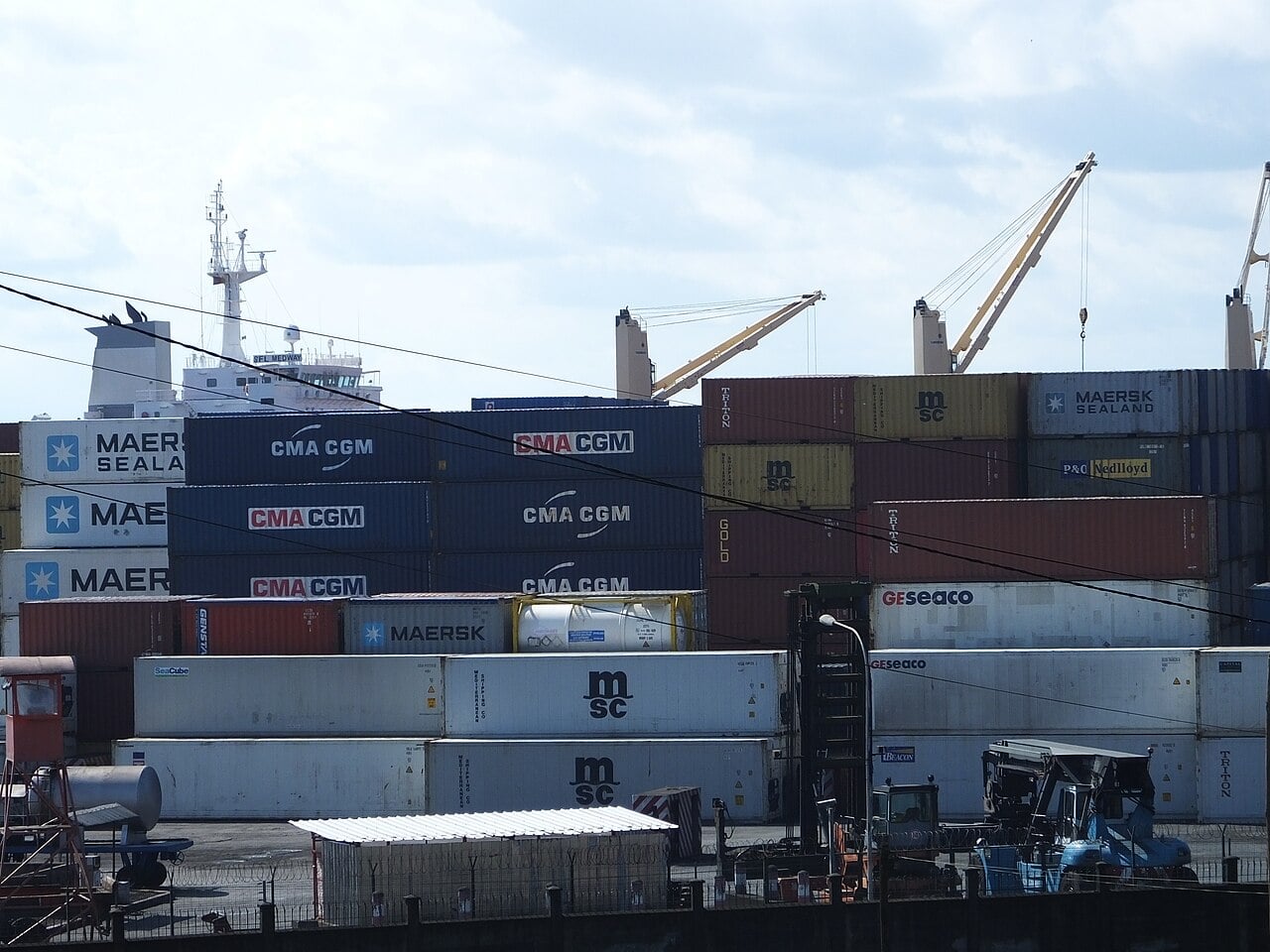
Cameroon has 10 regions and about 240 ethnic groups, which the presidency sorts into three families: Bantu, semi-Bantu and Sudanese peoples. French and English are official languages, spoken by about 70% and 30% of people, the presidency says.
The World Bank puts the population at 29.9 million in 2025, with 55.7% in cities. An older official count put the Far North first (2.55 million), then the Centre (2.27 million) and the Littoral (1.86 million).
Cameroon power has a regional shape, since Biya comes from the South, home with the Centre to the Beti and Bulu peoples. Our population guide, Cameroon Population and Ethnic Groups Explained, covers the groups in detail.
In the north, Fulani chiefs called lamidos still rule traditional chiefdoms, and the Senate president comes from this chiefly world. The West region is the home of the Bamiléké, long seen as Cameroon’s great trading people, and of the Bamoun kingdom.
The English-speaking North-West and South-West regions held about 2.86 million people in that older count, roughly one in five. They are two of the 10 regions, yet they hold far less say in Yaoundé than their size suggests.
Army, Police and Intelligence
Joseph Beti Assomo is minister delegate for defence at the presidency, so the army answers to the palace directly. Galax Yves Landry Etoga is secretary of state for the gendarmerie, a military police force that also covers rural areas.
Martin Mbarga Nguele leads the national police, and Jean Pierre Robins Ghoumo heads the external intelligence service. All four appear on the presidency’s list of the head of state’s collaborators, checked on 31 October 2026.
On 3 August 2026 Biya signed decrees promoting five colonels to brigadier general and naming a new commander of the Presidential Guard. Such decrees show who guards the president and who is rewarded.
The army fights separatists in the two English-speaking regions and Boko Haram, a jihadist group, in the Far North. The deputy commander of US Africa Command was received at the Unity Palace on 7 May 2026, the presidency says.
Business, Money and the Port
Cameroon’s economy was worth about US$58.9 billion in 2025, and it grew 3.2%, the World Bank says. Output per person was US$1,972, which keeps the country in the lower-middle income group.
The state sets the terms, and presidential decrees authorise the big loans. On 2 October 2026 two decrees approved an Islamic Development Bank road loan and a World Bank corridor credit.
Douala, the economic capital with more than two million people, is the main port and gateway for much of the country’s trade. Cameroon sells oil, cocoa, timber, cotton and bananas abroad.
The CFA franc is pegged to the euro, and on 31 October 2026, 100,000 CFA francs were about US$170. Our guide to Cameroon’s economy and key players names the companies, and foreign powers and investors in Cameroon lists who brings capital.
Churches, Chiefs and Unions
Cameroon is a secular state, and the presidency names Christianity and Islam as the two main religions. Biya himself went to a Catholic primary school and the Akono minor seminary, his official biography says.
Pope Leo XIV visited Cameroon from 15 to 18 April 2026 and met Biya at the Unity Palace. Churches speak on peace and the English-speaking war, but no church runs a party.
Chiefs matter as much as bishops in the map of Cameroon power. The presidency’s regional pages describe Bamiléké chiefdoms in the West, the Sawa people’s Ngondo festival on the coast and lamidats in Adamawa.
Trade unions exist, but our review found no official figures on their size or reach. Most workers are outside formal jobs, so the street has little organised voice in Yaoundé.
Inequality and Who Is Left Out
The World Bank counted 26.7% of Cameroonians below the international poverty line in 2021, and its Gini score for inequality was 42.2. A Gini of 0 means perfect equality and 100 means one person has everything.
Those left out are mostly rural families, jobless young people and people in the Far North, the largest region. They have little voice in an Assembly where one party holds most seats.
The English-Speaking Regions
Armed separatists have fought the state in the North-West and South-West since 2017. The war grew out of protests over the use of English in courts and schools.
The government has not ended the war, and talks have not settled it. For the wider neighbourhood, see our Cameroon in Central Africa guide.
What It Means for US Readers
Cameroon sells oil on world markets, so US stocks matter to it. US commercial crude stocks fell 1.9 million barrels to 410.6 million in the week to 23 October 2026, official data show.
Investors should watch the empty vice presidency, the Assembly’s term ending on 20 December 2026 and the Constitutional Council’s new leadership. Travellers should read the State Department’s current advisory for Cameroon before any trip, especially to the English-speaking regions and the Far North.
What Is Not Known
It is not known when Biya will appoint a vice president, or who it will be. No decree in the presidency’s published acts to 16 October 2026 sets a date for new legislative elections.
The wealth and ownership of the largest family groups are not published. Detailed figures on the size of the armed forces and of the trade unions are also not public.
Frequently Asked Questions
Who holds power in Cameroon?
President Paul Biya, 93, holds the most power, helped by the presidency’s secretariat general and security chiefs. The ruling RDPC party controls Parliament.
Does Cameroon have a vice president?
A law of 14 April 2026 allows an appointed vice president. As of 31 October 2026 the presidency’s official list shows nobody in the post.
Which regions dominate Cameroon?
The Centre and South around Yaoundé are the political heartland, and the West is the trading base. The English-speaking North-West and South-West have the least say.
What is the Anglophone crisis?
Armed separatists have fought the state in the English-speaking North-West and South-West since 2017. The conflict began with protests over the use of English in courts and schools.
Who commands the army in Cameroon?
The president is commander in chief, and Joseph Beti Assomo is minister delegate for defence at the presidency. The gendarmerie has its own secretary of state.
Is Cameroon safe for US travellers?
Conditions vary by region, with conflict in the English-speaking regions and the Far North. Check the State Department’s current advisory before any trip.
Sources: Presidency of the Republic of Cameroon, collaborators of the head of state (official list), 2026-10-31; Presidency of the Republic of Cameroon, decrees 2026/333 and 2026/334 of 16 October 2026 (Constitutional Council), 2026-10-16; Presidency of the Republic of Cameroon, Law No. 2026/002 of 14 April 2026 amending the constitution, 2026-04-14; Presidency of the Republic of Cameroon, Law No. 2026/001 of 25 March 2026 extending the mandate of deputies, 2026-03-25; Presidency of the Republic of Cameroon, return of the head of state on 20 August 2026 and presentation of Cameroon, 2026-08-20; National Assembly of Cameroon, bureau and convocation of the November 2026 session, 2026-10-31; Senate of Cameroon, president of the Senate and news items, 2026-09-10; World Bank, World Development Indicators for Cameroon (population, GDP, poverty, Gini), 2026-10-31; U.S. Energy Information Administration, Weekly Petroleum Status Report, week ending 23 October 2026, 2026-10-28.
This article was produced by The Rio Times’ automated newsroom system. How we use AI · Report an error · Editorial responsibility: Matthias Camenzind, Editor-in-Chief
Expat Guide to Cameroon
What The Rio Times publishes for foreigners who live in or move to Cameroon.
Understand Cameroon
Brazil runoff date: Sunday, October 25, poll closing times and when results start · Brazil runoff polls: Flávio 51%, Lula 49% · Kalshi and Polymarket odds
Rotate for Best Experience
This report is optimized for landscape viewing. Rotate your phone for the full experience.
You've reached your free article limit
Subscribe to The Rio Times for unlimited access to our reporting from across Africa.
Keep reading for free
Your first article was on us. Register with your email address to read 6 free articles every month. You will also receive Africa Intelligence: African markets, politics and business, every weekday morning.
Expat Guide to Cameroon
What The Rio Times publishes for foreigners who live in or move to Cameroon.
Understand Cameroon