CalBank Pledges US$85M to Ghana Miners
A Ghanaian bank offers about US$85 million in credit to local miners, but terms and timetable are unpublished.

Mining: Ghana
Ghana’s Minerals Commission, the state mining regulator, and CalBank, a Ghanaian commercial bank, signed a financing agreement in Accra on Tuesday 17 November 2026. CalBank committed GH¢1 billion (about US$85 million, at roughly 11.7 cedis, Ghana’s currency, per US$1 on 19 November 2026) to Ghanaian mining businesses.
The money targets small-scale miners and local suppliers that have contracts but lack cash. For foreign readers, it shows Ghana trying to keep more mining business in Ghanaian hands.
Key Facts
- Who. CalBank, a Ghanaian commercial bank, and the Minerals Commission, Ghana’s state mining regulator.
- What. A memorandum of understanding, a framework agreement, signed in Accra on 17 November 2026.
- Numbers. GH¢1 billion (about US$85 million) in credit for licensed small-scale miners, suppliers and mine support firms.
- Why it matters. Local firms capture under 40% of mining procurement spend; affordable credit is a main obstacle.
- Next. No disbursement date or review date has been published.
A Ghanaian bank offers about US$85 million in credit to local miners, but terms and timetable are unpublished.
The Big Picture
Ghana is pushing to process minerals at home instead of exporting them raw, and the CalBank deal is described as part of that push. The same direction shows in our report on Ghana’s plan for a 3% discount on small-scale gold purchases.
On 18 February 2026, Lands and Natural Resources Minister Armah Kofi-Buah told the 2026 Local Content Summit, a meeting on Ghanaian participation in mining, that local businesses capture less than 40% of the mining sector’s procurement spend. Local content means the share of mining business that goes to Ghanaian firms.
He added that over 70% of high-value services are still sourced from outside Ghana. The Minerals Commission has developed a Mining Local Content and Local Procurement Policy Framework.
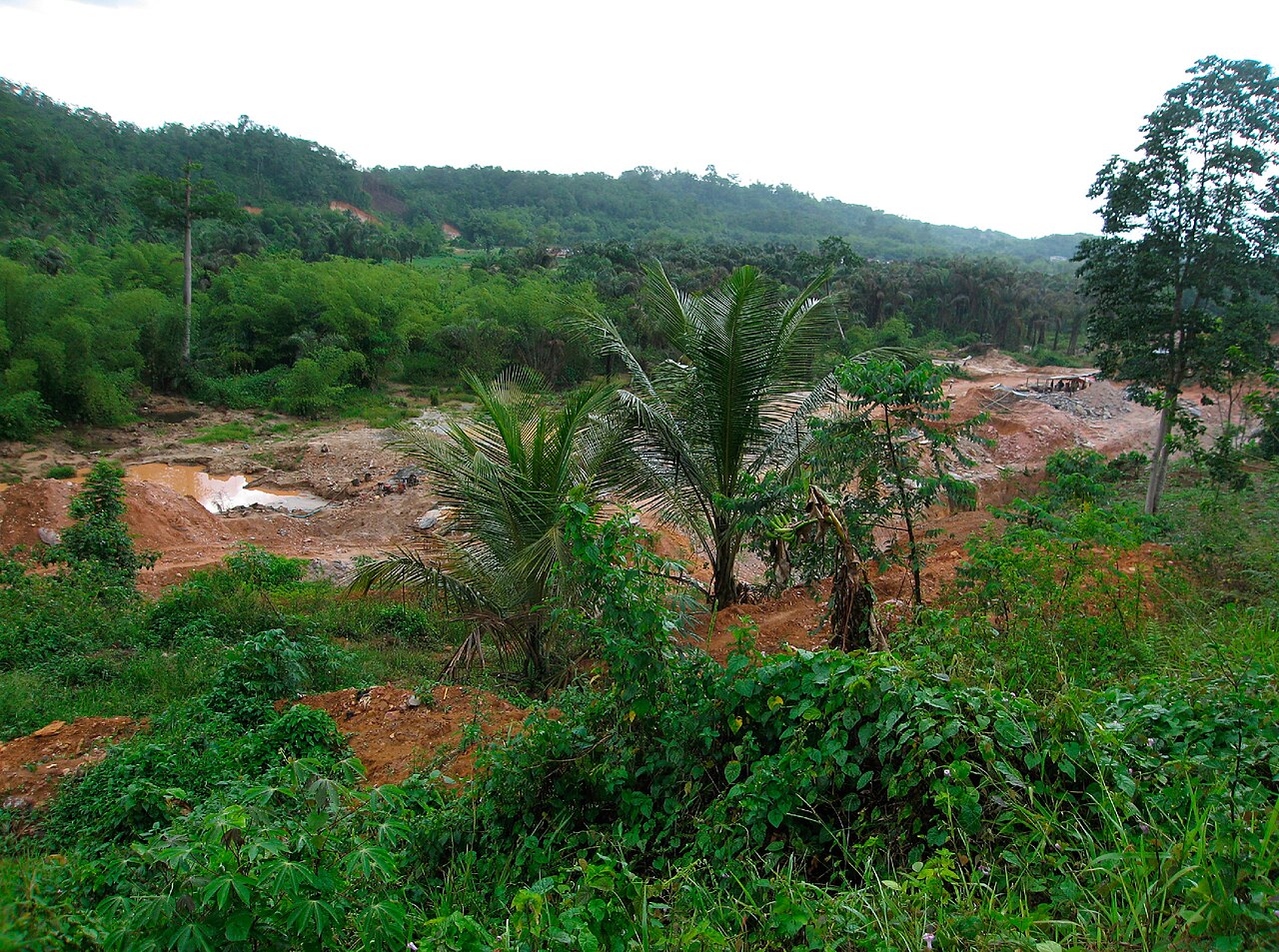
What Was Announced
On Tuesday 17 November 2026, CalBank and the Minerals Commission signed a memorandum of understanding at the Commission’s head office in Accra. CalBank committed GH¢1 billion (about US$85 million) in financing to eligible Ghanaian businesses across the mining value chain.
The money can fund working capital, contract financing, invoice discounting, equipment acquisition and other needs. Licensed small-scale miners, suppliers and Ghanaian mine support firms are eligible, and they apply through CalBank branches.
CalBank managing director Carl Selasi Asem said many local firms have the know-how and contracts but lack the money to grow. He described the GH¢1 billion (about US$85 million) as only the beginning of the bank’s support for locally owned businesses in the sector.
Minerals Commission chief executive Isaac Andrews Tandoh said affordable credit is one of the biggest problems facing indigenous mining firms. He called the deal an important step towards closing that gap.
A memorandum of understanding is a framework agreement that sets out intentions, and invoice discounting means a bank advances cash against unpaid invoices. A small-scale mining licence is a Ghanaian-owned licence for small operations, the legal alternative to illegal “galamsey” mining.
Why It Matters
Contract financing and invoice discounting release cash tied up in work already won. The terms of the new credit line have not been published.
The baseline is stark: in February 2026 Minister Kofi-Buah said local firms capture less than 40% of mining procurement spend. The new credit line is GH¢1 billion (about US$85 million), which is the scale of money now offered to firms that want a larger share.
Readers new to the sector can start with our explainer on galamsey, Ghana’s illegal gold mining. Our report on local refining of small-scale gold covers processing.
What to Watch
No disbursement date or review date has been published for the credit line. Readers should look for an announcement of how much has been lent.
What It Means for You
For US readers, this is a lending story and not a policy shock. It affects contractors and suppliers to large mines, including those serving Newmont, the US-listed gold producer that runs the Ahafo mine in Ghana.
Licensed small-scale miners and local suppliers are the direct target. Nothing here is investment advice.
What Is Not Known
It is unknown how much of the GH¢1 billion (about US$85 million) will be disbursed or over what period. Interest rates, collateral terms and the number of qualifying firms are also unpublished.
In November 2022, Deputy Lands Minister George Mireku Duker said the then government was close to sealing a US$25 million deal with CalBank to finance small-scale mining. He said it would stop small-scale miners selling concessions to foreigners at very low prices, and whether it was completed is not confirmed here.
Frequently Asked Questions
What did CalBank and the Minerals Commission agree?
On 17 November 2026 they signed a memorandum of understanding, a framework agreement, in Accra. CalBank committed GH¢1 billion (about US$85 million) in financing to eligible Ghanaian mining businesses.
Who can apply for the money?
Licensed small-scale miners, suppliers and Ghanaian mine support firms are eligible. They apply through CalBank branches.
What can the money be used for?
It covers working capital, contract financing, invoice discounting, equipment acquisition and other business needs. Invoice discounting means the bank advances cash against unpaid invoices.
What is still unknown?
No disbursement schedule, interest rates, collateral terms or count of qualifying firms has been published. Whether a 2022 US$25 million CalBank facility for small-scale mining was completed is also unconfirmed.
Sources
Minerals Commission of Ghana (mincom.gov.gh) and CalBank (calbank.net) statements at the signing of 17 November 2026; remarks by Lands and Natural Resources Minister Armah Kofi-Buah at the 2026 Local Content Summit (18 February 2026); remarks by Deputy Lands Minister George Mireku Duker (November 2022); exchange rate of roughly 11.7 cedis per US$1 on 19 November 2026.
This article was produced by The Rio Times’ automated AI newsroom. Editorial responsibility: Matthias Camenzind, Publisher and Editor-in-Chief. The Rio Times also runs Ask Rio Times, which answers from 100,000+ of our own articles, the daily Latin America Power Map, and prediction-market odds on elections and markets.. How we use AI · Report an error
Part of our ongoing coverage
Africa: The New Scramble — the great-power contest over the continent.