
Energy: Kenya
Kenya’s government is targeting Tuesday 1 December for its first commercial crude oil export, and Energy Cabinet Secretary Opiyo Wandayi, the country’s energy minister, said that production remains on schedule. A report dated Wednesday 18 November quoted him as saying drilling rigs at the South Lokichar oilfield would be switched on “on Friday”, which would be 20 November.
The oil lies in the South Lokichar Basin in Turkana County, a remote region of north-western Kenya. Gulf Energy, the company running the commercial production, agreed in 2025 to buy the Kenyan assets of British explorer Tullow Oil in a deal worth at least US$120 million.
Key Facts
- Target. Kenya targets 1 December for first commercial crude export; a Friday 20 November rig start was reported.
- Output. The first phase aims for 20,000 barrels a day, later rising to 50,000.
- Route. Crude is to move from Turkana to Mombasa, Kenya’s main seaport, for export and refining.
- Operator. Gulf Energy runs production; it agreed to buy Tullow Oil’s Kenyan assets for at least US$120 million.
- As of 18 November 2026, 19:30 GMT
Kenya’s long-delayed oil project is entering its decisive weeks, and the first shipment will show how much of the plan is ready.
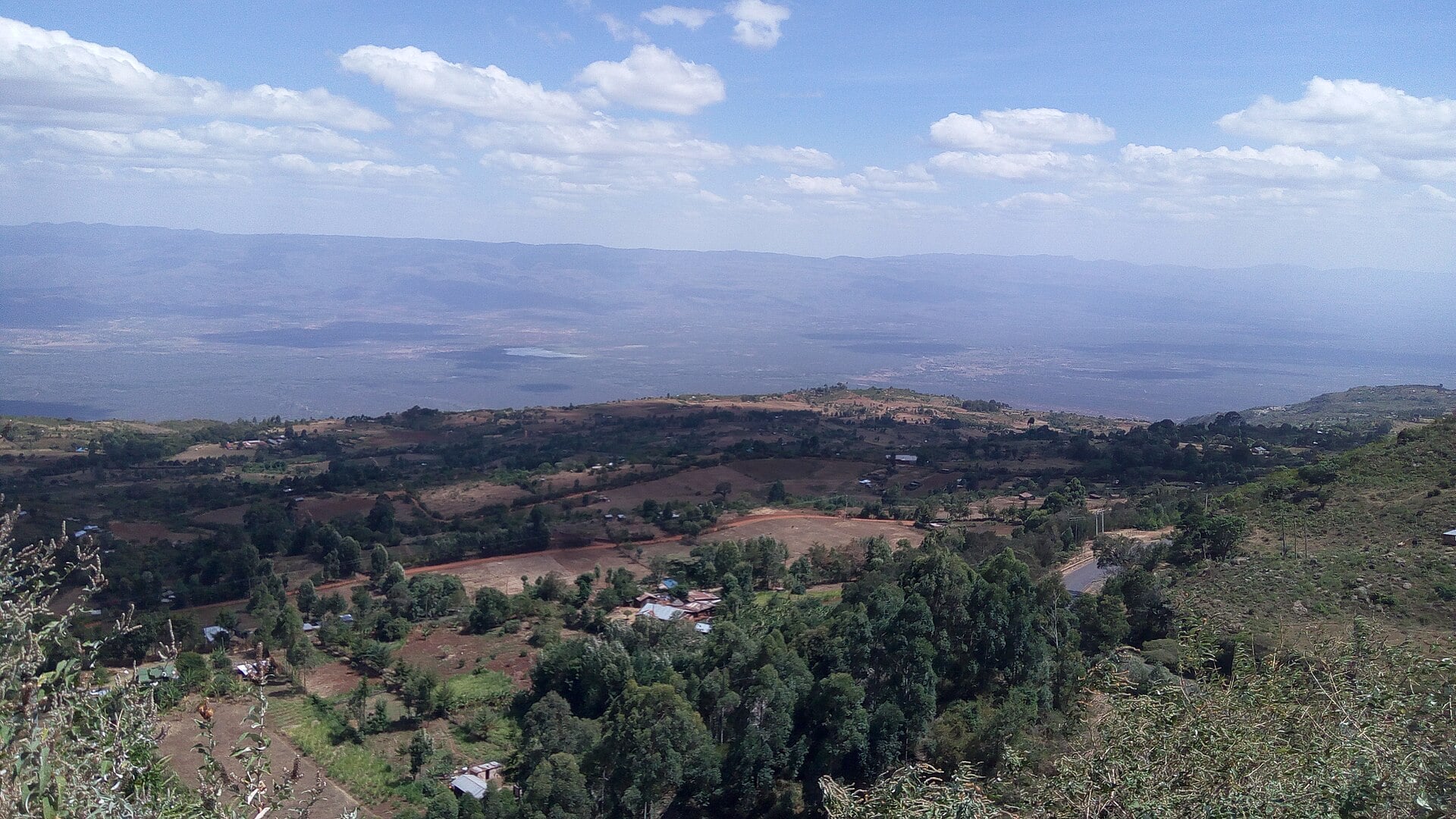
How Kenya Got Here After 14 Years
British explorer Tullow Oil found oil in Turkana in 2012, about 14 years ago. An earlier pilot cargo of about 200,000 barrels left Mombasa for Malaysia in August 2019 and was sold to ChemChina UK for about US$12 million.
William Kisang, chair of the Senate energy committee, said on 23 October that a drilling rig had been delivered to South Lokichar. He added that Kenya is on course to export the first crude on 1 December.
What the Government Wants
Wandayi said in Mombasa on 23 October that from December crude should move from South Lokichar to the port for export, to be refined. In April he had promised that the first oil would move before the end of 2026.
Because the crude is to be refined, it is meant to leave Kenya as a raw material. The first phase targets 20,000 barrels a day, later rising to 50,000.
Why It Matters Beyond Kenya
A first barrel on 1 December would end a 14-year wait since the 2012 discovery. It would also come ahead of neighbouring Uganda, whose crude exports, via a pipeline to the port of Tanga in Tanzania, are expected in 2027.
At 20,000 barrels a day Kenya would be a small producer, so oil prices will not feel it. The relevance is as a test case for East African oil projects that investors have waited on for years, alongside Kenya’s own fuel pipeline decisions.
The Strongest Doubt
Protus Akujah, the member of parliament for Loima in Turkana, said in April that Gulf Energy should disclose everything about the project, because under Tullow the public was not told what was happening. His call goes to transparency over the deal and the project.
What to Watch
Friday 20 November is the rig start date reported from the minister, and Tuesday 1 December is the date for first production. Uganda’s first exports, expected in 2027, are a regional yardstick for Kenya’s timing.
What It Means for You
A reader holding oil stocks will see no price effect from 20,000 barrels a day. Investors in African frontier projects will see whether a long-delayed project can reach first oil on schedule.
Readers following Kenya’s economy can treat the 1 December date as the point at which the project’s promises meet real cargoes. More on the country is on our Kenya news page.
What Is Not Known
It is not clear how many wells will be flowing by 1 December, or whether the date marks a first shipment or a ceremony. Revenue sharing and the price terms for the first cargo are not public.
The Friday start date rests on a single quoted statement, and no detailed work plan for the weeks ahead is public.
Frequently Asked Questions
When will Kenya start producing oil?
The government is targeting first production and export on 1 December 2026. Wandayi said on 18 November that production remains on schedule.
Where is South Lokichar?
It is a basin in Turkana County, a remote region of north-western Kenya. Estimates put oil resources there in the hundreds of millions of barrels.
How much oil will Kenya produce?
The first phase targets 20,000 barrels a day, with a later rise to 50,000. That is small by world standards.
Who runs the project?
Gulf Energy runs commercial production. It agreed in 2025 to buy Tullow Oil’s Kenyan assets in a deal worth at least US$120 million.
Sources: Statements by Energy Cabinet Secretary Opiyo Wandayi (18 November 2026) and Senate energy committee chair William Kisang (23 October 2026); Ministry of Energy and Petroleum (energy.go.ke); Energy and Petroleum Regulatory Authority (epra.go.ke); Parliament of Kenya (parliament.go.ke).
This article was produced by The Rio Times’ automated AI newsroom. Editorial responsibility: Matthias Camenzind, Publisher and Editor-in-Chief. The Rio Times also runs Ask Rio Times, which answers from 100,000+ of our own articles, the daily Latin America Power Map, and prediction-market odds on elections and markets.. How we use AI · Report an error