IBOV 185,146.69 ▼ 0.26% IPSA 11,317.59 ▼ 0.46% IPC MEX 64,814.97 ▼ 0.39% MERVAL 3,110,163 — 0.00% COLCAP 2,584.02 ▲ 0.57% BVL PERÚ 60,246.14 ▲ 0.76% USD/BRL5.13▲ 0.49% USD/MXN17.00▲ 0.61% USD/CLP938.86▲ 1.21% USD/COP3,114▼ 0.11% USD/PEN3.37▲ 0.49% USD/ARS1,515▲ 0.08% USD/UYU40.24▲ 3.05% USD/PYG5,868▲ 2.26% USD/BOB12.36▲ 1.91% USD/DOP58.63▲ 0.22% USD/CRC447.58▲ 1.69% USD/GTQ7.63▲ 3.04% USD/HNL26.85▲ 0.57% USD/NIO36.62▲ 0.34% USD/VES825.67▼ 0.13% USD/PAB1.00— 0.00% USD/BZD2.00— 0.00% USD/JMD 157.28 — 0.00% USD/TTD6.73▲ 2.40% EUR/BRL5.97▲ 1.01% BRENT 88.88 ▼ 0.03% WTI 83.11 ▼ 0.11% IRON ORE 161.91 — — COPPER 6.61 ▲ 0.03% GOLD 4,461 ▲ 1.78% SILVER 65.59 ▲ 1.26% SOY 1,184 ▲ 3.20% CORN 480.50 ▲ 10.02% WHEAT 655.00 ▲ 3.93% COFFEE 317.25 ▼ 5.51% SUGAR 16.43 ▼ 1.79% ORANGE JUICE 138.55 ▼ 0.47% COTTON 85.03 ▲ 2.33% COCOA 5,719 ▲ 3.18% BEEF 223.60 ▼ 3.93% CATTLE 339.10 ▼ 3.16% LITHIUM 75.20 ▲ 1.47% PETR4 41.64 ▼ 0.05% VALE3 72.97 ▲ 0.83% ITUB4 38.60 ▼ 1.03% BBDC4 16.85 ▲ 0.36% ABEV3 14.89 ▼ 0.80% BBAS3 19.37 ▲ 0.47% B3SA3 14.26 ▼ 0.21% WEGE3 47.59 ▲ 0.49% PRIO3 59.14 ▼ 0.19% SUZB3 41.33 ▲ 2.35% RENT3 34.68 ▼ 0.09% AZZA3 15.89 ▼ 2.63% CSAN3 3.22 ▼ 1.83% RAIZ4 0.25 — 0.00% PCAR3 2.75 ▼ 0.36% GMAT3 3.65 ▼ 1.08% PSSA3 48.13 ▼ 0.54% CVCB3 1.33 ▼ 2.92% POSI3 3.36 ▲ 2.44% SLCE3 13.34 ▲ 0.30% NATU3 8.14 ▼ 0.73% IBOV 185,146.69 ▼ 0.26% IPSA 11,317.59 ▼ 0.46% IPC MEX 64,814.97 ▼ 0.39% MERVAL 3,110,163 — 0.00% COLCAP 2,584.02 ▲ 0.57% BVL PERÚ 60,246.14 ▲ 0.76% USD/BRL 5.16 ▲ 0.01% USD/MXN 17.06 ▼ 0.24% USD/CLP 913.98 ▲ 0.04% USD/COP 3,140 ▲ 0.03% USD/PEN 3.36 ▼ 0.66% USD/ARS 1,493 ▲ 0.10% USD/UYU 40.27 ▲ 1.24% USD/PYG 5,939 ▲ 1.68% USD/BOB 11.64 ▼ 0.76% USD/DOP 58.34 ▲ 1.25% USD/CRC 445.92 ▲ 0.89% USD/GTQ 7.62 ▲ 2.21% USD/HNL 26.79 ▲ 1.57% USD/NIO 36.62 ▲ 0.69% USD/VES 762.44 ▼ 0.13% USD/PAB 1.00 — 0.00% USD/BZD 2.00 — 0.00% USD/JMD 157.28 — 0.00% USD/TTD 6.70 ▲ 0.61% EUR/BRL 5.95 ▲ 1.01% BRENT 88.88 ▼ 0.03% WTI 83.11 ▼ 0.11% IRON ORE 161.91 — — COPPER 6.61 ▲ 0.03% GOLD 4,461 ▲ 1.78% SILVER 65.59 ▲ 1.26% SOY 1,184 ▲ 3.20% CORN 480.50 ▲ 10.02% WHEAT 655.00 ▲ 3.93% COFFEE 317.25 ▼ 5.51% SUGAR 16.43 ▼ 1.79% ORANGE JUICE 138.55 ▼ 0.47% COTTON 85.03 ▲ 2.33% COCOA 5,719 ▲ 3.18% BEEF 223.60 ▼ 3.93% CATTLE 339.10 ▼ 3.16% LITHIUM 75.20 ▲ 1.47% PETR4 41.64 ▼ 0.05% VALE3 72.97 ▲ 0.83% ITUB4 38.60 ▼ 1.03% BBDC4 16.85 ▲ 0.36% ABEV3 14.89 ▼ 0.80% BBAS3 19.37 ▲ 0.47% B3SA3 14.26 ▼ 0.21% WEGE3 47.59 ▲ 0.49% PRIO3 59.14 ▼ 0.19% SUZB3 41.33 ▲ 2.35% RENT3 34.68 ▼ 0.09% AZZA3 15.89 ▼ 2.63% CSAN3 3.22 ▼ 1.83% RAIZ4 0.25 — 0.00% PCAR3 2.75 ▼ 0.36% GMAT3 3.65 ▼ 1.08% PSSA3 48.13 ▼ 0.54% CVCB3 1.33 ▼ 2.92% POSI3 3.36 ▲ 2.44% SLCE3 13.34 ▲ 0.30% NATU3 8.14 ▼ 0.73%
since 2009
Thursday, September 10, 2026

Africa Central Africa

Building Resilience: South Sudan’s Journey Toward Stability

By · August 14, 2024 · 2 min read

Africa Intelligence

One email, every weekday morning. African markets, politics and business — filed from our newsroom in Rio.

Yesterday’s subject line: “Nigeria's Dangote signs for Africa's biggest IPO ever”

Free. We send a confirmation link first — nothing arrives until you click it. Unsubscribe with one click in any edition. If you stop opening us for 30 days we stop sending by ourselves, as we assume the interest is no longer there. See our privacy policy. We never share your email.

In the heart of Africa, South Sudan is resilient and ambitious. The nation navigates economic challenges and political instability.

Since its independence in 2011, South Sudan has faced significant hurdles. Yet, its people and leaders remain unyielding. They strive to transform their future amidst adversity.

South Sudan’s economy relies heavily on oil. It faces external shocks and internal challenges. The real GDP contracted by 0.4% in 2022–23.

This marks an improvement from a 2.9% contraction the previous year. Inflation rose from 15% to 16.5%. Supply chain disruptions and flooding drove this increase.

Despite challenges, the fiscal deficit improved. It decreased from 6.6% of GDP in 2021/22 to 4% in 2022/23. The current account balance shifted from a deficit to a surplus of 7.0% of GDP.
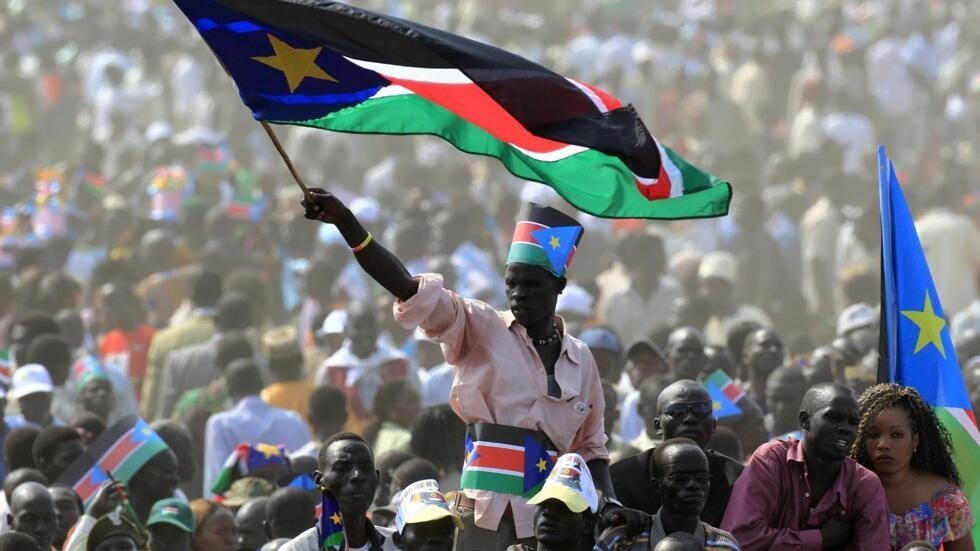
In the heart of Africa, South Sudan is resilient and ambitious. The nation navigates economic challenges and political instability
Building Resilience: South Sudan’s Journey Toward Stability.
One-stop reference
Company Intelligence
Every listed company in Latin America — financials, ownership and structure for 1,450+ companies across 26 exchanges, in one place.
Browse the directory →
RT
Ask Rio Times
17 years of Latin America reporting, on demand.
Open the full Ask Rio Times →

However, social indicators remain concerning. About 82% of the population lives below the poverty line. Approximately 2 million people are internally displaced.

South Sudan’s population is estimated at around 11 million. Many rely on subsistence agriculture for survival.

Debt management poses a critical issue for South Sudan. The debt service-to-revenues ratio stays above 14% through 2029/30.

Additionally, the debt service-to-exports ratio remains above 10% through 2025/26. External financing has been significant.

Between 2014 and 2021, net Official Development Assistance (ODA) flows reached $14.59 billion. This averages $1.5 billion per year. Such support highlights dependency on external aid.

South Sudan charts a path toward economic transformation. The government promotes local production. It supports smallholder farmers with finance and improved seed technologies.

South Sudan’s Path to Prosperity

Governance reforms aim to improve debt management. Addressing exchange rate pressures remains urgent.

In addition, the medium- to long-term vision involves building strong fiscal institutions. These institutions will mobilize domestic resources efficiently.

Structural transformation is prioritized to rebuild a resilient economy. Employment opportunities, especially in agriculture, are crucial. Investment in human and physical capital is necessary.

South Sudan’s narrative embodies resilience amidst daunting challenges. It tells of a nation determined to overcome its past.

In short, the goal is a future of prosperity and peace. Strategic reforms and human capital investment are key. Commitment to good governance is vital.

As the nation stands at this pivotal moment, the world watches. South Sudan’s journey is far from over. With determination and support, it can forge a brighter, more sustainable future.

This article was produced by The Rio Times’ automated newsroom system. How we use AI · Report an error

Part of our ongoing coverage

Africa: The New Scramble — the great-power contest over the continent.

More from Northern Africa

Read More from The Rio Times

The Rio Times · Power Map
See who really holds power in Latin America
Click to open the Power Map

Rotate for Best Experience

This report is optimized for landscape viewing. Rotate your phone for the full experience.