Brazil’s Congress Clears Fuel Tax Cut on Petrol, Diesel and Flights; It Now Goes to Lula
Brazil · Expats
Key Facts
- —What is being cut Federal taxes on fuels, the PIS, Cofins and CIDE levies, are set to fall for 2026.
- —Which fuels Diesel, biodiesel, petrol, ethanol and the kerosene that powers passenger planes.
- —The ethanol trigger If petrol taxation drops 30 percent or more, the ethanol rate goes to zero.
- —Still to happen President Lula must sign the bill, and stations must pass the cut to the pump.
- —The scale The government put the relief at around R$10 billion in 2027.
Nothing has changed at the pump yet. The president still has to sign, and how much you save depends on whether stations pass the cut along.
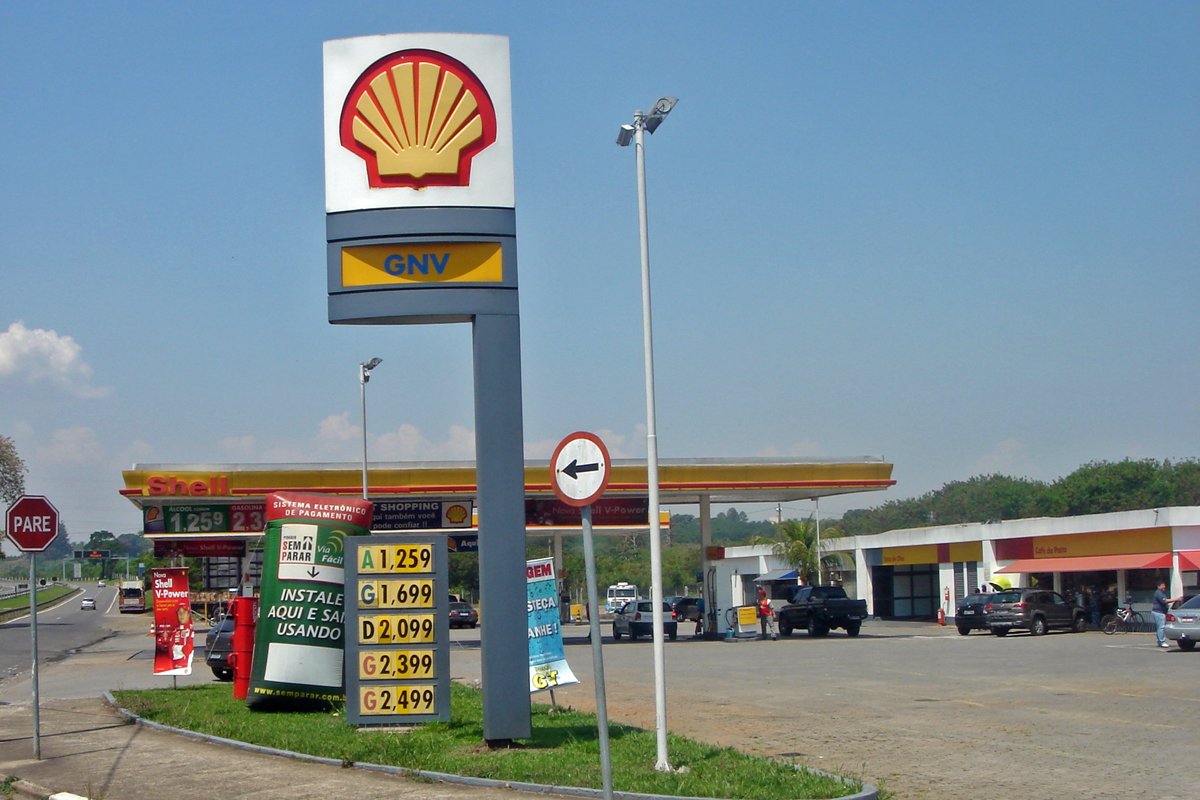
A fuel tax cut just cleared Brazil’s Congress and could ease what you spend to get around. It still needs President Lula’s signature, and nothing has changed at the pump yet.
What the Fuel Tax Cut Actually Does
Congress approved a bill known as PLP 114/2026. It lowers the federal taxes charged on several fuels for 2026.
The idea is simple. Trim the tax that sits inside each litre, and the base price of fuel should ease.
This is federal tax only. State taxes and the world oil price are separate, and they still move on their own.
Which Fuels Are Covered
The relief reaches most of what Brazil burns to move. That means diesel, biodiesel, petrol and ethanol.
It also covers aviation kerosene. That is the fuel that powers the passenger jets you take between cities.
So the bill touches your car, the bus you ride, the truck that brings your groceries, and your next domestic flight.
The Ethanol Trigger, in Plain Words
Ethanol gets special treatment in the bill. Many Brazilian cars run on it, so it matters at the pump.
Here is the rule. If the tax on petrol falls by 30 percent or more, the federal rate on ethanol drops to zero.
The two fuels are linked at the pump. Cheaper petrol usually pushes drivers toward it, so the bill protects ethanol’s price gap.
What Still Has to Happen
The vote in Congress is not the finish line. The bill now goes to President Lula for his signature.
Only after he signs and it is published does it take legal effect. Until then, the old taxes still apply.
So there is no change at the pump today. Treat this as a plan that is close, not a discount already in your pocket.
Why the Pump Price Might Not Move Much
A tax cut and a cheaper pump price are not the same thing. What you pay passes through a long supply chain.
Fuel stations and distributors decide how much of the saving to hand on. Some may pass it all, some may keep part of it.
So treat any promised saving with caution. The size of the relief at your local station is simply not guaranteed.
What It Could Mean for Domestic Flights
Aviation kerosene is a big slice of an airline’s costs. A lower tax on it could ease pressure on fares over time.
That does not mean cheaper tickets tomorrow. Airlines price seats on demand, routes and competition, not fuel taxes alone.
Still, it is one cost heading down rather than up. For anyone who flies within Brazil, that is worth watching.
The Levies Being Trimmed, Explained
The bill works on three federal charges. They are called PIS, Cofins and CIDE, and they sit inside the fuel price.
PIS and Cofins are federal social contributions. They help fund social security and other federal spending across the country.
CIDE is a specific federal charge on fuels. You never see these names on a receipt, but you pay them every time you fill up.
How Big the Relief Is
Deputy finance minister Dario Durigan put a number on it. He estimated the relief at around R$10 billion in 2027.
That is the cost to the government, not a figure for your wallet. It shows the scale of tax the state is giving up.
The cuts are also meant to be temporary and partial. Officials said the rates would be reviewed every two months during 2026.
The Votes Behind the Bill
Both houses moved on the same day. The Chamber of Deputies passed it first, by 318 votes to 113, with one abstention.
The Senate followed hours later. It approved the text by a wide margin of 61 votes to 2.
Those lopsided numbers tell you something. Cheaper fuel is a rare cause that unites lawmakers across the usual divides.
What to Watch Next
Keep an eye on the presidential signature. That is the step that turns this plan into law.
After that, watch the board at your own station. Compare the posted prices before and after the cut takes effect.
And remember the fine print. The relief is set for 2026, partial, and subject to review, so prices can still shift.
Background: Brazil Tax Reform Timeline: Tech Sector Faces 2026 Invoice Shock.
More: Brazil news, every day from The Rio Times.
Frequently Asked Questions
Will petrol actually get cheaper?
It could, but no saving is guaranteed. The bill lowers federal tax, yet stations and distributors decide how much of that cut reaches the pump.
What about flights?
The bill also cuts tax on aviation kerosene, which could ease airline costs over time. It does not mean cheaper tickets right away, since fares depend on demand and competition too.
When does it start?
Not yet. It takes effect only after President Lula signs the bill and it is officially published, and the relief is set for 2026.
Is it final?
Congress has approved it, but it still awaits the president’s signature. The cuts are also meant to be partial and reviewed every two months, not a fixed full-year discount.
Sources: Agencia Senado, Agencia Brasil, Camara dos Deputados, Poder360, Metropoles, UOL.
This article was produced by The Rio Times’ automated newsroom system. How we use AI · Report an error
In depth
Read More from The Rio Times