
Published Monday, 26 October, 12:41 p.m. ET · Source: National Treasury (Tesouro Nacional), B3 exchange data, TSE electoral court data, RT market data
Key Facts
—The buyback. Brazil’s Treasury bought back about R$7.1 billion (US$1.3 billion) of fixed-rate NTN-F bonds on Monday.
—The cancellations. It scrapped Tuesday’s inflation-linked bond sale and Thursday’s fixed-rate bond sale.
—The trigger. Long-term borrowing costs jumped after President Lula won re-election on Sunday with 51.79% of valid votes.
—Still unknown. How far yields eased after the buyback, and whether more buybacks follow.
—Prediction markets. Betting platform Polymarket prices “no change” at 74.9% for the central bank’s November rate decision (26 October, 12:36 p.m. ET).
—Power Index Brazil ranks 1st of 14 in The Rio Times Latin America Power Index, with 75.0 points (October 2026 edition).
Live tonight
Brazil’s runoff, live
The official TSE count for Flávio Bolsonaro and Lula, updated every minute (voting closed at 7 p.m. Brasília, 6 p.m. ET).
Brazil runoff polls · Polymarket and Kalshi odds · When results come · Brazil election poll data (CSV)
Prediction markets · who wins the runoff
Implied chance of winning Brazil’s presidency on 25 October, from traders’ prices.
Polymarket
Flávio Bolsonaro – · Lula – (US$249 million traded)
Kalshi (regulated in the US by the CFTC)
Flávio Bolsonaro 0.4% · Lula 99.6%
As of 25 October, 11:40 pm ET (03:40 Lisbon), updated every 20 minutes. Prices are bets, not polls, and can move fast.
Why we show this: prediction markets turn real-money bets into a live probability that moves within minutes of the news, which is why investors, campaigns and newsrooms in the United States now follow them closely. We show them next to polls and official results, never instead of them.
When borrowing costs spike, a government can step into the market and buy back its own debt. On Monday, Brazil did exactly that, hours after investors reacted to President Luiz Inácio Lula da Silva’s re-election.
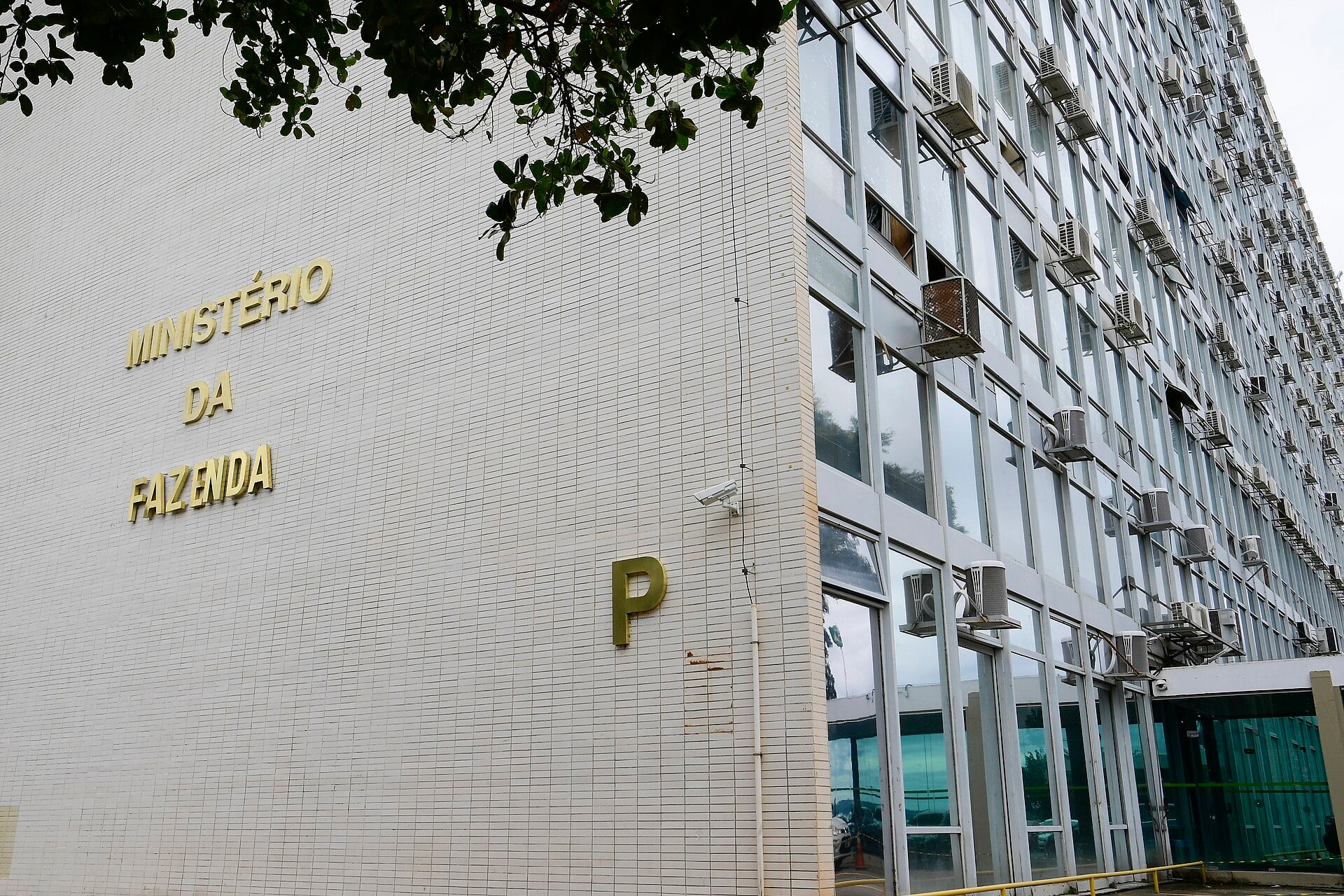
The National Treasury, the agency that manages the public debt of Latin America’s largest economy, bought back about R$7.1 billion (about US$1.3 billion) of fixed-rate bonds late on Monday morning in Brasília. It also cancelled two of this week’s regular bond sales.
What the Treasury Actually Did
A bond is an IOU the government sells to investors. When the government buys some back, their price rises and their yield, the interest rate investors earn, falls.
The Treasury repurchased 5 million five-year, 2.4 million seven-year and 1 million ten-year NTN-Fs. These notes pay a fixed rate of interest twice a year, so their prices swing hard when investors expect higher rates.
At R$5.42 per dollar (RT market data, 12:35 p.m. ET), the R$7.1 billion is worth about US$1.3 billion. The dollar is up about 9% in reais from Friday’s R$4.98, so the real has weakened.
Why Long-Term Rates Jumped
Many investors had bet on a win by Flávio Bolsonaro, the conservative senator who led the first round on 4 October. Lula, 80, won the runoff with 51.79% of valid votes, according to the TSE, Brazil’s electoral court (blank and spoiled ballots are excluded from valid votes).
By 9:23 a.m. in Brasília (8:23 a.m. ET), the rate on the January 2031 DI contract had climbed to 14.46% from 12.64% at Friday’s adjustment, data from B3, the São Paulo exchange, show. That is a rise of 182 basis points (1.82 percentage points) in a contract that traders use to bet on future interest rates; our report on the real’s slide covers the currency side.
Why Cancel the Bond Sales?
The Treasury cancelled the sale of inflation-linked NTN-B bonds set for Tuesday 27 October and the sale of fixed-rate LTN (Treasury bills) and NTN-F bonds set for Thursday 29 October. It said it would keep monitoring market conditions and act to ensure that public bond markets work properly.
In effect, the Treasury does not have to sell new debt at today’s higher rates. One auction stays: Tuesday’s sale of LFT bonds, whose payout follows the Selic, Brazil’s benchmark interest rate.
What Prediction Markets Say
On Polymarket, traders put the odds of “no change” in the November rate decision of Copom, the central bank’s rate-setting committee, at 74.9%. A 25-basis-point cut is priced at 11.5% and a 25-basis-point rise at 5.2%, with US$100,150 traded (26 October, 12:36 p.m. ET).
These prices are bets, not polls.
Why we show this: prediction markets turn real-money bets into a live probability that moves within minutes of the news, which is why investors, campaigns and newsrooms in the United States now follow them closely. We show them next to polls and official results, never instead of them.
What It Means for US Readers
Government bond yields set the floor for borrowing costs across Brazil, including at companies listed in New York such as oil giant Petrobras (PBR), miner Vale (VALE), bank Itaú (ITUB) and Nu Holdings (NU). Higher yields can weigh on those shares and on the iShares MSCI Brazil ETF (EWZ), on top of a weaker real.
Travellers see the other side: at R$5.42, a R$100 dinner costs about US$18.
What Is Not Known Yet
It is not yet clear whether more buybacks are planned, or how far yields eased once the Treasury began buying. The market also waits to learn who Lula picks to run the economy.
The next data point is Friday 30 October, when the central bank is due to publish September’s gross government debt, which economists expect at 83.5% of gross domestic product (GDP) against 82.9% in August (RT calendar data). Our guide to the Ibovespa, Brazil’s main stock index tracks the stock side.
Sources
Tesouro Nacional (Brazil’s National Treasury) · B3, Brazil’s stock exchange · Superior Electoral Court (TSE) · Polymarket · RT market data
This article was produced by The Rio Times’ automated newsroom system. How we use AI · Report an error · Editorial responsibility: Matthias Camenzind, Editor-in-Chief
LatAm Markets: Live Signals → — real-time movers, turnover leaders and FX across Latin America.
Frequently Asked Questions
What is a Treasury bond buyback?
The government buys back bonds it sold earlier, which lifts their price and pushes their yield down. Brazil bought about R$7.1 billion (US$1.3 billion) of NTN-F notes on 26 October.
Which Brazilian bond sales were cancelled?
The Treasury cancelled Tuesday’s sale of inflation-linked NTN-B bonds and Thursday’s sale of fixed-rate LTN and NTN-F bonds. Tuesday’s Selic-linked LFT auction stays on.