IBOV 177,816 ▲ 0.91% IPSA 10,826 ▲ 2.48% IPC MEX 68,261 ▼ 0.11% MERVAL 2,846,220 ▼ 1.08% COLCAP 2,118 ▼ 0.22% BVL PERÚ 19,767 ▲ 0.37% USD/BRL 5.02 ▼ 0.02% USD/MXN 17.29 ▲ 0.06% USD/CLP 893.97 ▼ 0.17% USD/COP 3,636 ▼ 1.19% USD/PEN 3.40 ▼ 0.58% USD/ARS 1,399 ▼ 0.14% USD/UYU 39.96 ▲ 1.49% USD/PYG 6,158 ▲ 3.31% USD/BOB 6.86 ▲ 2.19% USD/DOP 58.58 ▲ 0.93% USD/CRC 449.07 ▲ 2.31% USD/GTQ 7.62 ▲ 2.56% USD/HNL 26.62 ▲ 2.06% USD/NIO 36.62 ▲ 1.03% USD/VES 534.05 ▲ 0.79% USD/PAB 1.00 ▲ 2.57% USD/BZD 2.00 ▲ 2.00% USD/JMD 156.75 ▲ 0.64% USD/TTD 6.72 ▲ 1.24% EUR/BRL 5.84 ▼ 0.15% BRENT 96.16 ▼ 7.13% WTI 92.75 ▼ 3.99% IRON ORE 161.91 — — COPPER 6.37 ▲ 0.50% GOLD 4,506 ▼ 0.34% SILVER 76.08 ▲ 0.24% SOY 1,192 ▼ 0.42% CORN 459.00 ▼ 0.92% WHEAT 641.75 ▼ 0.70% COFFEE 274.30 ▲ 0.72% SUGAR 14.57 ▼ 0.88% ORANGE JUICE 170.75 ▼ 0.41% COTTON 78.14 ▲ 0.93% COCOA 4,105 ▲ 8.14% BEEF 239.60 ▼ 3.83% CATTLE 349.85 ▼ 5.22% LITHIUM 85.28 ▲ 1.07% PETR4 43.40 ▼ 2.43% VALE3 83.59 ▲ 0.59% ITUB4 40.32 ▲ 2.26% BBDC4 18.07 ▲ 2.55% ABEV3 16.40 ▲ 1.86% BBAS3 21.65 ▲ 3.39% B3SA3 17.26 ▲ 3.60% WEGE3 43.31 ▲ 1.36% PRIO3 64.31 ▼ 5.98% SUZB3 41.41 ▼ 0.70% RENT3 44.90 ▲ 3.58% AZZA3 20.89 ▲ 0.82% CSAN3 4.39 ▲ 2.33% RAIZ4 0.41 ▲ 5.13% PCAR3 2.07 ▼ 0.48% GMAT3 4.45 ▲ 1.37% PSSA3 49.24 ▲ 0.14% CVCB3 1.78 ▲ 0.57% POSI3 4.10 ▲ 0.99% SLCE3 16.22 ▲ 0.93% NATU3 10.53 ▲ 4.26% BRKM5 12.40 ▲ 3.59% RANI3 8.03 ▼ 0.62% CSNA3 6.72 ▼ 0.15% CMIN3 4.49 ▲ 0.22% USIM5 10.02 ▼ 3.19% GGBR4 24.18 ▲ 0.71% ENEV3 25.22 ▲ 1.04% NEOE3 33.80 — 0.00% CPFE3 43.30 ▼ 0.02% CMIG4 11.27 ▲ 0.45% EQTL3 38.50 ▲ 2.20% LREN3 15.41 ▲ 2.26% VIVT3 33.54 ▼ 0.05% RAIL3 14.36 ▲ 1.06% KLABIN 16.55 ▲ 0.55% RAIA DROGASIL 18.48 ▲ 1.59% RDOR3 34.51 ▲ 1.29% HAPV3 12.40 ▲ 2.90% FLRY3 15.92 ▲ 1.47% SMTO3 17.31 ▼ 1.65% UGPA3 28.44 ▼ 0.91% VBBR3 32.28 ▼ 1.44% BBSE3 34.62 ▲ 0.44% BPAC11 55.90 ▲ 3.65% CURY3 31.88 ▲ 4.42% AERI3 2.35 ▼ 2.08% VIVARA 22.73 ▲ 2.43% COMPASS 27.26 ▲ 1.34% VAMOS 3.37 ▲ 3.69% SANB11 27.64 ▲ 1.99% ASAI3 9.12 ▲ 8.06% SBSP3 29.10 ▲ 2.25% WALMEX 55.26 ▼ 0.52% GMEXICO 206.26 ▲ 0.59% FEMSA 210.75 ▲ 0.33% CEMEX 22.08 ▲ 1.28% GFNORTE 189.00 ▼ 0.92% BIMBO 57.81 ▼ 0.41% TELEVISA 9.65 ▼ 1.13% AMX 22.25 ▼ 2.15% GAP 426.00 ▲ 2.19% ASUR 301.76 ▼ 2.25% OMA 227.49 ▲ 2.33% KOF 187.98 ▲ 1.45% GRUMA 295.61 ▲ 0.96% KIMBER 37.65 ▲ 0.08% SQM-B 73,510 ▲ 2.17% COPEC 6,420 ▲ 0.32% BSANTANDER 71.58 ▲ 1.97% FALABELLA 5,929 ▲ 3.67% ENELAM 78.50 ▲ 1.95% CENCOSUD 2,200 ▲ 3.97% CMPC 1,145 ▲ 4.57% BANCO CHILE 172.21 ▲ 1.90% LATAM AIR 23.75 ▲ 5.14% YPF 71,025 — 0.00% GGAL 6,455 — 0.00% PAMPA 4,783 — 0.00% TXAR 634.00 — 0.00% ALUAR 938.50 — 0.00% TGS 8,685 — 0.00% CEPU 2,077 — 0.00% MIRGOR 16,350 — 0.00% COME 43.70 — 0.00% LOMA NEGRA 3,278 — 0.00% BYMA 285.25 — 0.00% TELECOM ARG 3,493 — 0.00% ECOPETROL 13.85 ▼ 0.07% BANCOLOMBIA 65.88 ▼ 0.66% GRUPO AVAL 4.23 ▼ 0.70% CREDICORP 334.30 ▼ 2.82% SOUTHERN COPPER 179.67 ▲ 0.31% BUENAVENTURA 33.46 ▼ 0.74% MERCADOLIBRE 1,664 ▼ 0.80% NUBANK 12.73 ▼ 3.27% XP 16.82 ▼ 6.14% PAGSEGURO 9.14 ▼ 1.93% STONE 11.00 ▼ 0.90% GLOBANT 40.13 ▼ 1.23% TECNOGLASS 41.16 ▼ 0.10% GAP AIRPORT 240.40 ▼ 1.52% ASUR 301.76 ▼ 2.25% OMA AIRPORT 103.21 ▼ 1.38% AMX ADR 26.14 ▼ 0.72% FEMSA ADR 121.28 ▼ 0.10% CEMEX ADR 12.56 ▼ 0.24% PETROBRAS ADR 19.90 ▼ 0.65% VALE ADR 16.48 ▲ 0.06% ITAU ADR 7.82 ▼ 2.25% SANTANDER BR 5.39 ▼ 3.06% AMBEV ADR 3.20 ▼ 2.14% CSN 1.35 ▲ 5.47% GERDAU 4.75 ▲ 1.06% LATAM ADR 49.89 ▼ 2.06% BTC 76,958 ▼ 0.42% ETH 2,116 ▲ 0.21% SOL 84.96 ▼ 0.06% XRP 1.35 ▲ 0.06% BNB 661.51 ▼ 0.12% ADA 0.24 ▲ 0.22% DOGE 0.10 ▲ 0.37% AVAX 9.36 ▲ 0.62% LINK 9.55 ▲ 0.51% DOT 1.27 ▲ 1.01% LTC 52.72 ▲ 0.12% BCH 353.17 ▲ 0.52% TRX 0.38 ▲ 1.09% XLM 0.15 ▼ 0.15% HBAR 0.09 ▲ 0.21% NEAR 2.78 ▲ 0.03% ATOM 2.22 ▲ 3.81% AAVE 87.31 ▲ 1.17% SELIC 14.50% EMBRAER 73.28 ▲ 1.31% EMBRAER ADR 57.58 ▲ 1.88% JBS 13.21 ▼ 0.53% JBS BDR 66.45 ▲ 0.32% MBRF3 16.24 ▼ 2.17% MBRFY 3.34 ▲ 0.30% INTER 6.16 ▼ 3.75% IBOV 177,816 ▲ 0.91% IPSA 10,826 ▲ 2.48% IPC MEX 68,261 ▼ 0.11% MERVAL 2,846,220 ▼ 1.08% COLCAP 2,118 ▼ 0.22% BVL PERÚ 19,767 ▲ 0.37% USD/BRL 5.02 ▼ 0.02% USD/MXN 17.29 ▲ 0.06% USD/CLP 893.97 ▼ 0.17% USD/COP 3,636 ▼ 1.19% USD/PEN 3.40 ▼ 0.58% USD/ARS 1,399 ▼ 0.14% USD/UYU 39.96 ▲ 1.49% USD/PYG 6,158 ▲ 3.31% USD/BOB 6.86 ▲ 2.19% USD/DOP 58.58 ▲ 0.93% USD/CRC 449.07 ▲ 2.31% USD/GTQ 7.62 ▲ 2.56% USD/HNL 26.62 ▲ 2.06% USD/NIO 36.62 ▲ 1.03% USD/VES 534.05 ▲ 0.79% USD/PAB 1.00 ▲ 2.57% USD/BZD 2.00 ▲ 2.00% USD/JMD 156.75 ▲ 0.64% USD/TTD 6.72 ▲ 1.24% EUR/BRL 5.84 ▼ 0.15% BRENT 96.16 ▼ 7.13% WTI 92.75 ▼ 3.99% IRON ORE 161.91 — — COPPER 6.37 ▲ 0.50% GOLD 4,506 ▼ 0.34% SILVER 76.08 ▲ 0.24% SOY 1,192 ▼ 0.42% CORN 459.00 ▼ 0.92% WHEAT 641.75 ▼ 0.70% COFFEE 274.30 ▲ 0.72% SUGAR 14.57 ▼ 0.88% ORANGE JUICE 170.75 ▼ 0.41% COTTON 78.14 ▲ 0.93% COCOA 4,105 ▲ 8.14% BEEF 239.60 ▼ 3.83% CATTLE 349.85 ▼ 5.22% LITHIUM 85.28 ▲ 1.07% PETR4 43.40 ▼ 2.43% VALE3 83.59 ▲ 0.59% ITUB4 40.32 ▲ 2.26% BBDC4 18.07 ▲ 2.55% ABEV3 16.40 ▲ 1.86% BBAS3 21.65 ▲ 3.39% B3SA3 17.26 ▲ 3.60% WEGE3 43.31 ▲ 1.36% PRIO3 64.31 ▼ 5.98% SUZB3 41.41 ▼ 0.70% RENT3 44.90 ▲ 3.58% AZZA3 20.89 ▲ 0.82% CSAN3 4.39 ▲ 2.33% RAIZ4 0.41 ▲ 5.13% PCAR3 2.07 ▼ 0.48% GMAT3 4.45 ▲ 1.37% PSSA3 49.24 ▲ 0.14% CVCB3 1.78 ▲ 0.57% POSI3 4.10 ▲ 0.99% SLCE3 16.22 ▲ 0.93% NATU3 10.53 ▲ 4.26% BRKM5 12.40 ▲ 3.59% RANI3 8.03 ▼ 0.62% CSNA3 6.72 ▼ 0.15% CMIN3 4.49 ▲ 0.22% USIM5 10.02 ▼ 3.19% GGBR4 24.18 ▲ 0.71% ENEV3 25.22 ▲ 1.04% NEOE3 33.80 — 0.00% CPFE3 43.30 ▼ 0.02% CMIG4 11.27 ▲ 0.45% EQTL3 38.50 ▲ 2.20% LREN3 15.41 ▲ 2.26% VIVT3 33.54 ▼ 0.05% RAIL3 14.36 ▲ 1.06% KLABIN 16.55 ▲ 0.55% RAIA DROGASIL 18.48 ▲ 1.59% RDOR3 34.51 ▲ 1.29% HAPV3 12.40 ▲ 2.90% FLRY3 15.92 ▲ 1.47% SMTO3 17.31 ▼ 1.65% UGPA3 28.44 ▼ 0.91% VBBR3 32.28 ▼ 1.44% BBSE3 34.62 ▲ 0.44% BPAC11 55.90 ▲ 3.65% CURY3 31.88 ▲ 4.42% AERI3 2.35 ▼ 2.08% VIVARA 22.73 ▲ 2.43% COMPASS 27.26 ▲ 1.34% VAMOS 3.37 ▲ 3.69% SANB11 27.64 ▲ 1.99% ASAI3 9.12 ▲ 8.06% SBSP3 29.10 ▲ 2.25% WALMEX 55.26 ▼ 0.52% GMEXICO 206.26 ▲ 0.59% FEMSA 210.75 ▲ 0.33% CEMEX 22.08 ▲ 1.28% GFNORTE 189.00 ▼ 0.92% BIMBO 57.81 ▼ 0.41% TELEVISA 9.65 ▼ 1.13% AMX 22.25 ▼ 2.15% GAP 426.00 ▲ 2.19% ASUR 301.76 ▼ 2.25% OMA 227.49 ▲ 2.33% KOF 187.98 ▲ 1.45% GRUMA 295.61 ▲ 0.96% KIMBER 37.65 ▲ 0.08% SQM-B 73,510 ▲ 2.17% COPEC 6,420 ▲ 0.32% BSANTANDER 71.58 ▲ 1.97% FALABELLA 5,929 ▲ 3.67% ENELAM 78.50 ▲ 1.95% CENCOSUD 2,200 ▲ 3.97% CMPC 1,145 ▲ 4.57% BANCO CHILE 172.21 ▲ 1.90% LATAM AIR 23.75 ▲ 5.14% YPF 71,025 — 0.00% GGAL 6,455 — 0.00% PAMPA 4,783 — 0.00% TXAR 634.00 — 0.00% ALUAR 938.50 — 0.00% TGS 8,685 — 0.00% CEPU 2,077 — 0.00% MIRGOR 16,350 — 0.00% COME 43.70 — 0.00% LOMA NEGRA 3,278 — 0.00% BYMA 285.25 — 0.00% TELECOM ARG 3,493 — 0.00% ECOPETROL 13.85 ▼ 0.07% BANCOLOMBIA 65.88 ▼ 0.66% GRUPO AVAL 4.23 ▼ 0.70% CREDICORP 334.30 ▼ 2.82% SOUTHERN COPPER 179.67 ▲ 0.31% BUENAVENTURA 33.46 ▼ 0.74% MERCADOLIBRE 1,664 ▼ 0.80% NUBANK 12.73 ▼ 3.27% XP 16.82 ▼ 6.14% PAGSEGURO 9.14 ▼ 1.93% STONE 11.00 ▼ 0.90% GLOBANT 40.13 ▼ 1.23% TECNOGLASS 41.16 ▼ 0.10% GAP AIRPORT 240.40 ▼ 1.52% ASUR 301.76 ▼ 2.25% OMA AIRPORT 103.21 ▼ 1.38% AMX ADR 26.14 ▼ 0.72% FEMSA ADR 121.28 ▼ 0.10% CEMEX ADR 12.56 ▼ 0.24% PETROBRAS ADR 19.90 ▼ 0.65% VALE ADR 16.48 ▲ 0.06% ITAU ADR 7.82 ▼ 2.25% SANTANDER BR 5.39 ▼ 3.06% AMBEV ADR 3.20 ▼ 2.14% CSN 1.35 ▲ 5.47% GERDAU 4.75 ▲ 1.06% LATAM ADR 49.89 ▼ 2.06% BTC 76,958 ▼ 0.42% ETH 2,116 ▲ 0.21% SOL 84.96 ▼ 0.06% XRP 1.35 ▲ 0.06% BNB 661.51 ▼ 0.12% ADA 0.24 ▲ 0.22% DOGE 0.10 ▲ 0.37% AVAX 9.36 ▲ 0.62% LINK 9.55 ▲ 0.51% DOT 1.27 ▲ 1.01% LTC 52.72 ▲ 0.12% BCH 353.17 ▲ 0.52% TRX 0.38 ▲ 1.09% XLM 0.15 ▼ 0.15% HBAR 0.09 ▲ 0.21% NEAR 2.78 ▲ 0.03% ATOM 2.22 ▲ 3.81% AAVE 87.31 ▲ 1.17% SELIC 14.50% EMBRAER 73.28 ▲ 1.31% EMBRAER ADR 57.58 ▲ 1.88% JBS 13.21 ▼ 0.53% JBS BDR 66.45 ▲ 0.32% MBRF3 16.24 ▼ 2.17% MBRFY 3.34 ▲ 0.30% INTER 6.16 ▼ 3.75%
since 2009
Tuesday, May 26, 2026

Brazil Brazil Power & Money

Brazil’s SELIC Rate Explained: What Foreign Investors Need to Know (2026)

By · May 26, 2026 · 8 min read

Daily Brief

The morning intel from across Latin America. Free.

By subscribing you agree to our privacy policy. We never share your email.

EXPATS IN BRAZIL · BRAZIL, 2 JUNE 2026

Key Facts

14.75% per year — Brazil’s SELIC rate as of May 2026, one of the highest positive real interest rates among major economies worldwide.

Set by COPOM — Brazil’s monetary policy committee meets eight times per year; decisions are made by majority vote of the BCB Governor and board.

~8–9% real rate — after subtracting inflation, Brazil’s real interest rate is near-unmatched among economies with GDP above $1 trillion.

Foreigners can access it — with a CPF and a Brazilian brokerage account, non-residents can invest in Tesouro Selic (LFT) and CDBs directly.

Currency risk is real — BRL has depreciated against the dollar in most multi-year periods; the carry return must be weighed against exchange rate moves.

The SELIC rate Brazil sets is the single number that governs everything in the country’s financial system — savings yields, mortgage costs, currency behaviour, and government debt dynamics. At 14.75%, it sits roughly triple the U.S. Fed Funds rate and offers one of the highest positive real yields on earth. This guide explains exactly what it is, who sets it, where it is heading in 2026, and how you can actually access it as a foreigner or newcomer to Brazil.

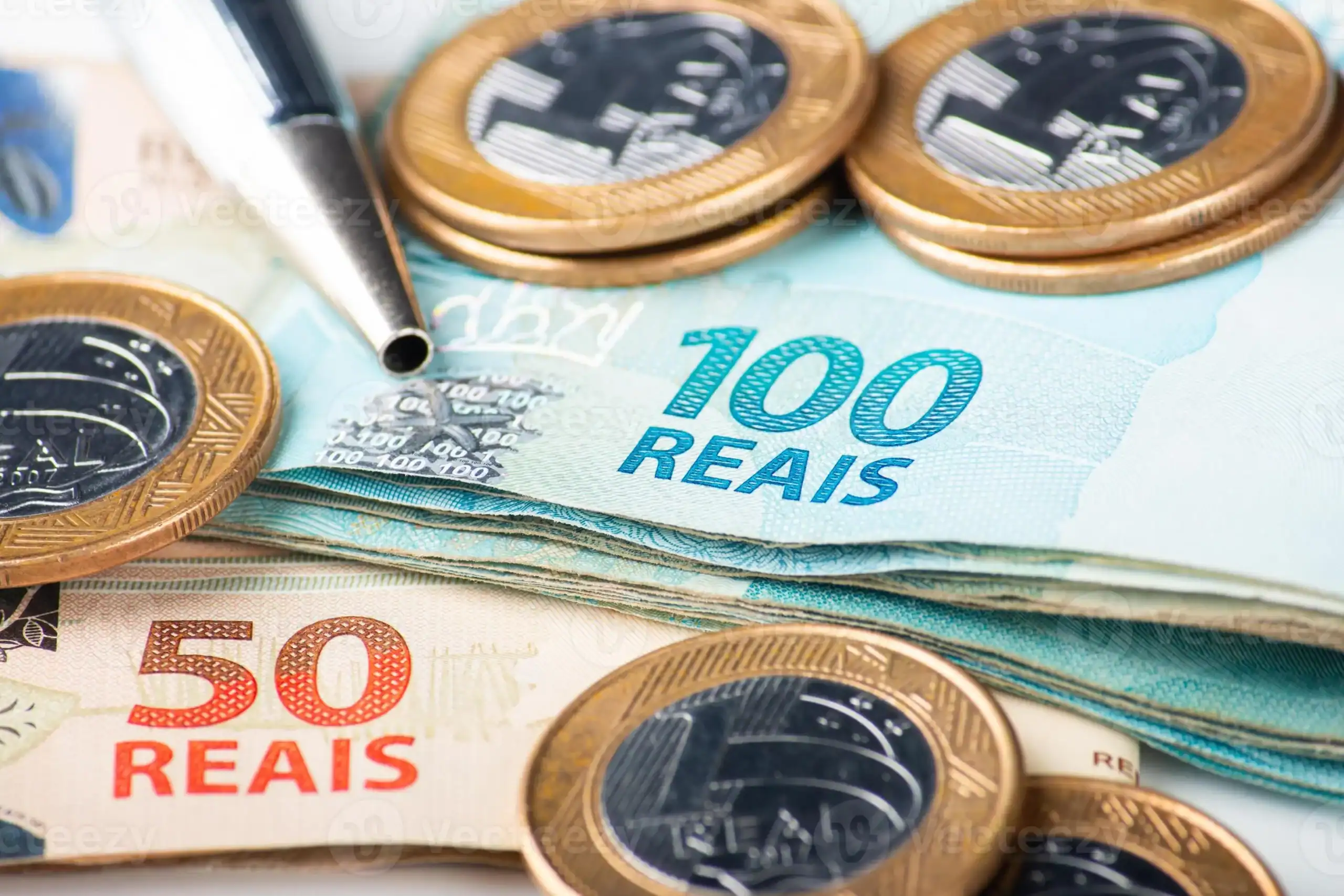
Brazil SELIC rate — Brazilian real banknotes and coins

What is the SELIC rate?

SELIC stands for Sistema Especial de Liquidação e de Custódia — the Special System for Settlement and Custody. It is Brazil’s system for clearing and settling transactions in federal government bonds. The “SELIC rate” (taxa SELIC) is the overnight interest rate at which banks lend to each other using those federal bonds as collateral.

In plain terms, it is Brazil’s equivalent of the U.S. Fed Funds rate or the ECB’s main refinancing rate — the floor from which all other interest rates in the economy are built. Consumer loans, corporate credit lines, savings account yields, and government bond returns all trace their pricing back to the SELIC.

There are technically two SELIC rates. The SELIC Meta (target rate) is the policy rate announced after COPOM meetings — currently 14.75% per year. The SELIC Efetiva (effective rate) is the actual average overnight rate, typically a few basis points below the meta. Fixed-income products and benchmarks use the efetiva in their calculations. When media and investors say “the SELIC rate,” they mean the meta.

Who sets it: COPOM and Banco Central do Brasil

The SELIC rate Brazil relies on is set by Banco Central do Brasil (BCB) through its monetary policy committee, the Comitê de Política Monetária (COPOM). Established in 1996, COPOM meets eight times per year — roughly every 45 days — over two days, with the rate decision announced on the Wednesday evening at market close.

The committee is composed of the BCB Governor and eight board members. Decisions are by majority vote. After each meeting, the BCB publishes a communiqué; the full minutes (the Ata do COPOM) follow roughly two weeks later and are closely parsed by analysts for forward guidance.

COPOM operates within a formal inflation-targeting framework. The target for 2026 is 3.0% IPCA with a tolerance band of ±1.5 percentage points. When inflation runs above the band, COPOM raises rates; when the economy is weak and inflation undershoots, it cuts. The difference in Brazil is the magnitude of the swings — no other G20-scale economy has moved its policy rate from 2% to nearly 15% in six years.

Where the SELIC rate Brazil stands in 2026 — and where it is going

As of May 2026, the SELIC meta is 14.75% per year. This follows an aggressive tightening cycle that began in mid-2024, responding to persistent service-sector inflation, fiscal concerns, a weaker real, and unanchored expectations. The BCB is in holding mode — maintaining tight policy until IPCA shows a sustained return toward 3.0%.

For context: the SELIC was cut to a historic low of 2.0% in August 2020 during COVID-19, then raised to 13.75% by August 2022 as global inflation hit. A brief easing cycle brought it down to 10.5% by mid-2024 before renewed pressure forced a fresh hiking cycle.

Market consensus from BCB’s weekly Focus Report — surveying over 100 financial institutions — points to a modest easing cycle in H2 2026, with most forecasts clustering around 13.0–14.0% by year-end, assuming inflation cooperates. The primary risk is fiscal deterioration or sharp BRL depreciation, either of which could delay cuts.

How the SELIC rate moves the Brazilian real

The relationship between the SELIC rate and BRL is real but not mechanical. The most direct channel is the interest rate differential. With Brazil at 14.75% and the U.S. Fed at 4.25–4.5%, there is roughly a 10-percentage-point spread. This makes BRL assets attractive to global carry traders — investors who borrow in low-rate currencies and capture the spread — which tends to support the real.

But the SELIC is partly a symptom of structural fiscal problems. A government running large deficits forces the central bank to keep rates high to attract debt buyers and anchor inflation. A rising SELIC then increases government interest payments, widening the deficit — a feedback loop that contributes to long-run BRL weakness despite high nominal rates.

The practical implication: a high SELIC gives BRL-asset holders a cushion, but the critical question is whether the carry exceeds the expected depreciation of the real against your home currency over your investment horizon. Historically, multi-year BRL depreciation has been persistent.

How to invest in SELIC-linked instruments as a foreigner

To access SELIC-linked returns as a non-resident, you need three things: a Brazilian CPF, a brokerage account with a Brazilian institution that accepts non-resident clients, and registration of the investment via the BCB’s RDE-Portfólio system (usually handled by your custodian).

Tesouro Selic (LFT) — available via the Tesouro Direto platform — is the most direct instrument. It pays the daily SELIC efetiva, has minimal mark-to-market risk, and is backed by the Brazilian federal government. Minimum investments start around BRL 30. CPF holders with a participating broker can access it directly.

CDBs (Certificados de Depósito Bancário) are bank deposits paying a percentage of CDI — the interbank rate that tracks SELIC efetiva within ~10 basis points. A CDB at 120% CDI currently yields roughly 17.6% per year. CDBs are covered by Brazil’s deposit insurance fund (FGC) up to BRL 250,000 per institution per CPF. They are available through Brazilian brokerages including XP Investimentos and BTG Pactual, both of which accept non-resident clients.

Tax: Brazilian withholding tax on fixed income runs 15–22.5% depending on the term (shorter terms taxed higher, under the regression table). Plan accordingly — the net yield after tax is still high by global standards, but the gross number overstates what you actually receive.

SELIC rate Brazil vs. global rates: a 2026 comparison

Brazil’s nominal rate of 14.75% is high but not the world’s highest — Turkey exceeds 40%. What makes Brazil distinctive is that its real rate (nominal minus inflation) is approximately 8–9% — genuinely positive and nearly unmatched among economies with GDP above $1 trillion.

Country Benchmark Rate Approx. Real Rate
Brazil 14.75% ~8–9%
Mexico 9.00% ~3–4%
United States 4.25–4.50% ~2–2.5%
United Kingdom 4.25% ~1.5–2%
European Union 2.25% ~0–0.5%
Japan 0.50% Negative
Turkey 42.50% Negative (inflation >60%)

The U.S.-Brazil differential of ~10 percentage points means a dollar-based investor in BRL fixed income earns roughly 10 points more per year than a comparable U.S. Treasury position — before taxes and before currency moves.

How the SELIC rate affects daily life in Brazil

Savings accounts (poupança): Brazil’s most-used savings product yields roughly 6% per year when the SELIC is above 8.5% — well below the SELIC itself. Financial advisors consistently recommend Tesouro Selic or CDBs over poupança for anyone who can access them.

Consumer credit: Personal loans charge 80–150% per year. Revolving credit card rates hit legal limits above 100% before regulatory caps were introduced. Even subsidised mortgage programmes run 8–12% annually. For foreigners used to single-digit mortgage rates, Brazilian credit costs are a significant adjustment.

Government debt: Approximately 40–45% of Brazil’s federal public debt is SELIC-indexed. Every 100 basis point rise in the SELIC adds roughly BRL 40–50 billion in annual interest costs. This is the structural tension at the heart of Brazilian fiscal policy — the central bank must keep rates high to control inflation, but doing so directly widens the deficit, which keeps inflation expectations elevated.

Where to Act

BCB Focus Reportbcb.gov.br/publicacoes/focus — published every Monday; market consensus for SELIC, IPCA, GDP and BRL. The single most useful weekly data point for anyone watching Brazilian rates.

Tesouro Diretotesourodireto.com.br — Brazil’s retail government bond platform. Tesouro Selic (LFT) is the SELIC-linked instrument; minimum investment ~BRL 30.

XP Investimentosxpi.com.br — Brazil’s largest independent broker; accepts non-resident clients and offers Tesouro Direto access and a wide CDB marketplace.

COPOM meeting calendarbcb.gov.br — all scheduled COPOM dates and the historical SELIC rate table.

This is reporting, not investment advice. Interest rates, tax rules, and regulations change. Always consult a qualified financial advisor and Brazilian tax professional before making investment decisions. SELIC rate as of May 2026 COPOM meeting.

Frequently asked questions

Is Brazil’s SELIC the highest interest rate in the world?

No — Turkey’s policy rate exceeds 40% in nominal terms. But the SELIC rate Brazil maintains is notable for a different reason: it is among the highest positive real interest rates among major economies. With nominal at 14.75% and IPCA inflation in the 5–6% range, the real rate is approximately 8–9% — nearly unmatched for an economy of Brazil’s size and liquidity.

How often does COPOM change the SELIC rate?

COPOM meets eight times per year, roughly every six weeks. Rate changes are almost always in multiples of 25 basis points, though 50 or 100 basis point moves have occurred in aggressive cycles. COPOM typically signals upcoming changes in the communiqué and minutes from the preceding meeting, so outright surprises are uncommon.

Can I earn the SELIC rate as a foreigner living outside Brazil?

Yes, in principle. You need a Brazilian CPF (legally available to non-residents), an account with a Brazilian broker that accepts non-resident clients, and registration via the BCB’s RDE-Portfólio system. Brazilian withholding tax of 15–22.5% applies. Currency risk — BRL versus your home currency — is the dominant variable in the overall return equation.

What is the SELIC’s all-time high and low?

The all-time high was 45% per year in March 1999 during the BRL currency crisis. The all-time low was 2.0% per year in August 2020 during COVID-19 — the first time in modern Brazilian history the SELIC fell below U.S. Treasury yields on a risk-adjusted basis. It was rapidly reversed as inflation took hold.

Does a high SELIC mean Brazil’s economy is in crisis?

Not necessarily. The 14.75% rate in 2026 is closer to Brazil’s long-run average than its crisis peaks. It reflects structural challenges: fiscal fragility, elevated public debt, and a historical inflation premium baked into nominal yields. The BCB gained formal operational independence in 2021, which has improved credibility, but sustained reduction toward developed-market levels requires fiscal reform that has not yet been delivered.

Related reading

Expats in Brazil — banking, CPF, cost of living and practical guides for foreigners

Brazil Markets & Finance — rates, equities, currency and macro coverage

Read More from The Rio Times

Daily Brief

The morning intel from across Latin America. Free.

By subscribing you agree to our privacy policy. We never share your email.

Rotate for Best Experience

This report is optimized for landscape viewing. Rotate your phone for the full experience.