
Brazil’s flagship plan against organised crime has about US$1.05 billion in state loan requests that are cleared by the Justice Ministry but still waiting for final approval. The ministry says it cleared 92 proposals worth R$5.85 billion by 10 November 2026, six months after President Luiz Inácio Lula da Silva launched the programme.
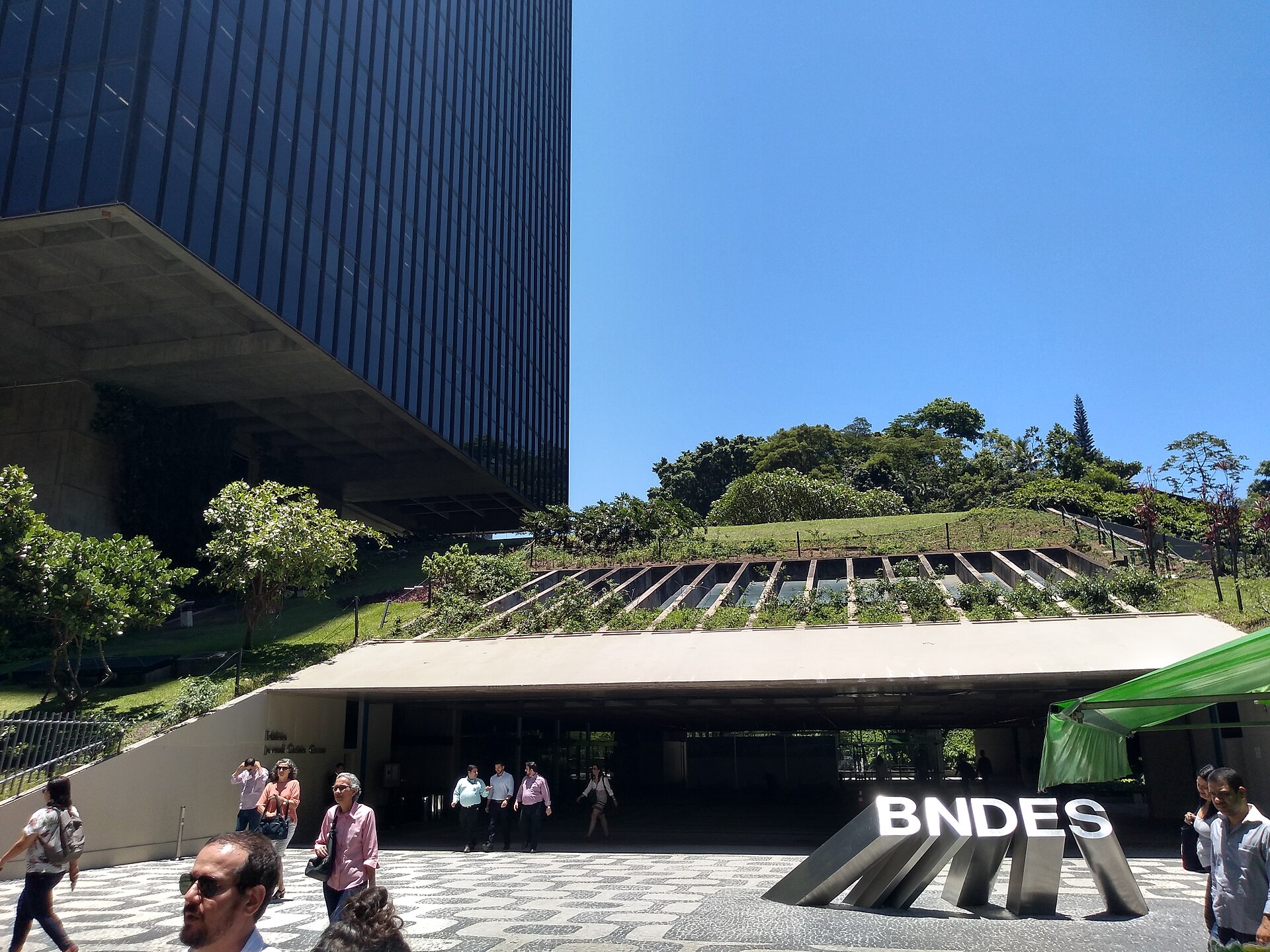
A ministry clearance is only one step, and the development bank BNDES decides whether to lend. That is why the money has not yet reached the states.
- What: The Justice Ministry cleared 92 loan requests worth R$5.85 billion (about US$1.05 billion).
- Who decides: A government fund committee, then the development bank BNDES, which also contracts the loans.
- Plan size: The programme totals R$11 billion (about US$1.98 billion), launched on 12 May 2026.
- Power Index: Brazil ranks 1st of 14 in The Rio Times Latin America Power Index, with 74.2 points (November 2026 edition).
- As of: 12 November 2026, 11:00 GMT, at R$5.56 per US$ (central bank rate of 11 November)
How the Money Is Meant to Flow
The programme, called Brasil Contra o Crime Organizado (Brazil Against Organised Crime), has two parts. It sets aside R$1.065 billion (about US$192 million) of direct federal spending and R$10 billion (about US$1.80 billion) in credit that BNDES lends to states through a social-infrastructure investment fund known as FIIS.
A state sends a proposal to the Justice Ministry, which can clear it. A committee that manages the fund then decides on it, and BNDES analyses it, approves it and signs the contract.
What Has Been Cleared So Far
The ministry’s latest figures put the cleared total at 92 proposals worth R$5.85 billion (about US$1.05 billion). In the prison system alone, 15 proposals worth about R$3.6 billion (about US$650 million) were under review in September.
Of the direct federal money, the ministry says R$948.1 million (about US$170 million) is already committed. Spending is split across fighting criminal finance, the prison system, murder investigations and arms trafficking.
Why It Matters
Clearance by the ministry gives a state no right to financing, so each request still faces two more approvals. Separately, Brazil’s Senate approved a constitutional amendment on public security, which we explained in our guide to the security amendment.
The Senate approved it in a final 75 to 0 vote on 3 November 2026. See also our Brazil news hub.
What Is Not Known
The ministry has not said when the fund committee or BNDES will decide, or how much of the R$5.85 billion will be approved. We have not found a ministry release for the 92-proposal figure, which comes from figures the ministry gave to Brazilian media this week.
What It Means for You
Brazilian states and the firms that supply prisons, scanners and police gear wait for this credit, so delays slow orders. Investors in Brazilian public debt may see the plan as a small but visible call on the budget.
Frequently Asked Questions
How big is Lula’s crime plan?
It totals R$11 billion, or about US$1.98 billion. R$1.065 billion is direct federal spending and R$10 billion is credit from BNDES.
Who approves the loans?
The Justice Ministry clears a state’s proposal, a fund committee approves it, and BNDES analyses and contracts the loan. Clearance alone gives no right to financing.
When was the programme launched?
President Lula launched it on 12 May 2026.
Sources: Brazil’s Ministry of Justice and Public Security, programme launch (12 May 2026) and FIIS rules; Ministry order 1.289 of 2026; Central Bank of Brazil PTAX reference exchange rate, 11 November 2026.
This article was produced by The Rio Times’ automated AI newsroom. Editorial responsibility: Matthias Camenzind, Publisher and Editor-in-Chief. The Rio Times also runs Ask Rio Times, which answers from 100,000+ of our own articles, the daily Latin America Power Map, and prediction-market odds on elections and markets.. How we use AI · Report an error
Brazil runoff, Sunday, October 25: Brazil runoff date. Latest: Brazil runoff polls, Flávio 51%, Lula 49%.