SINGAPORE · ANALYSIS
Key Facts
- Why it matters A sustained slowdown in AI capital expenditure would reduce future copper orders for data centres and weaken the investment case for new lithium capacity.
- What to watch Cloud-company capital-expenditure guidance and data-centre construction starts will show whether the equity sell-off becomes a physical demand slowdown.
- What it means for you US-listed copper and lithium miners may see share-price volatility before physical metal orders change, so investors should separate valuation shocks from demand signals.
AI stocks fell as investors repriced the economics of artificial intelligence, and the question for Latin America is whether copper and lithium demand from Chile, Peru and Argentina will follow. The answer is that copper faces a slower-growth scenario rather than a collapse, while lithium’s link to AI remains too weak for the sell-off to be a primary price driver.
Singapore is Asia’s semiconductor and technology-finance hub, and its chip shares act as a barometer for global AI investment sentiment. This analysis explains what the 30 October sell-off, covered in the Asia Intelligence Brief, means for the copper and lithium producers of Latin America and for US investors exposed to them.
The Singapore Trigger: AI Demand Versus AI Returns
That distinction matters for commodities. A valuation correction can hit AI-linked equities immediately without reducing physical orders, while a capital-expenditure slowdown would eventually reduce orders for servers, chips, transformers, substations and data-centre construction.
A broader economic slowdown would weaken copper demand beyond AI, including construction, manufacturing and power networks. A technology-efficiency breakthrough could reduce materials required per unit of computing, even while total computing demand continues to rise.
Why AI Needs Copper
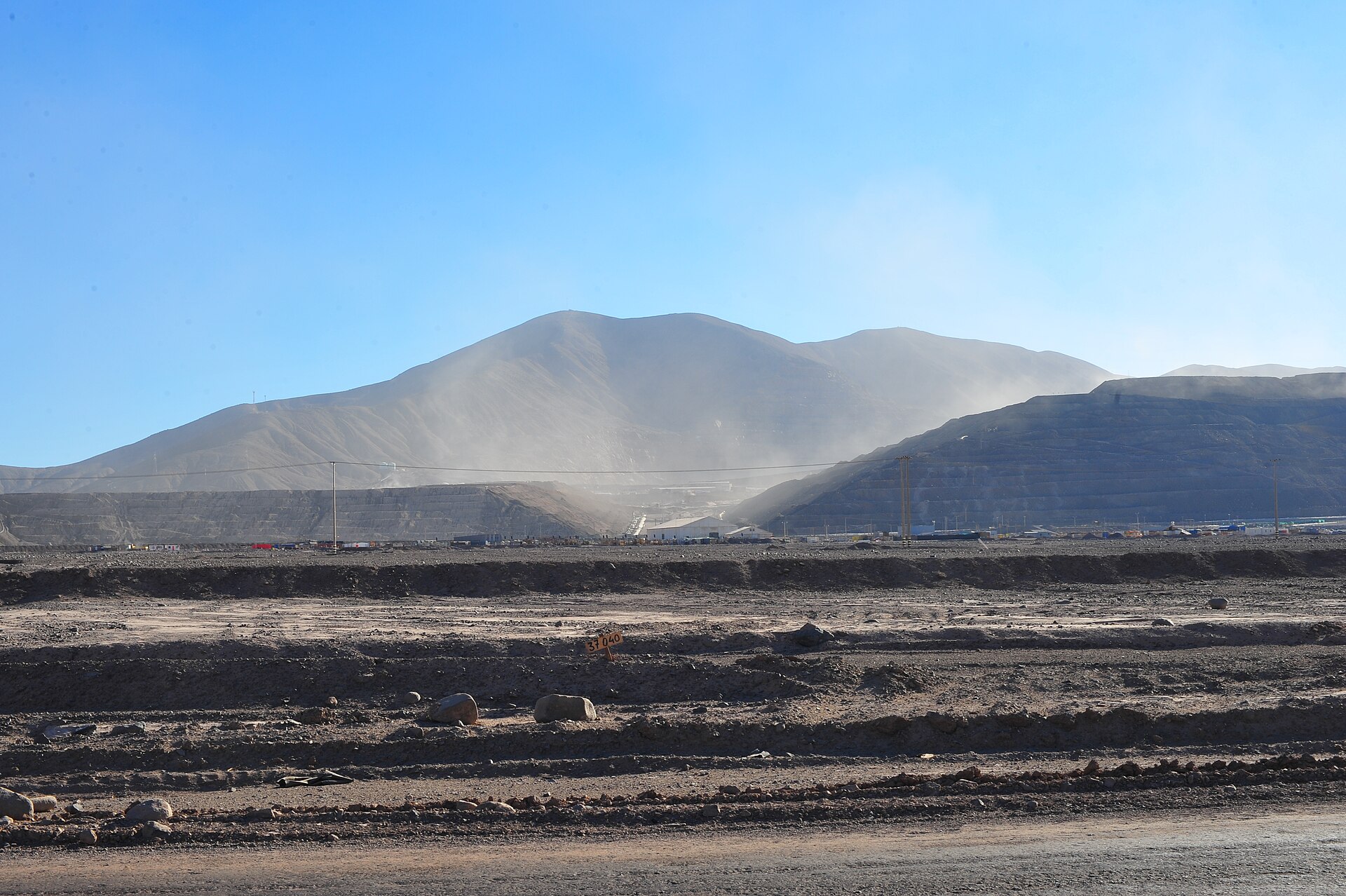
Copper is used throughout the electrical system that makes AI computing possible. Grid connections, transmission lines, substations, transformers, switchgear, data-centre power distribution, busbars, cabling, cooling systems and communications infrastructure all require the metal.
Copper demand depends on the amount and location of physical infrastructure built around AI computing. A company can buy fewer accelerators yet still require substantial electrical works for a facility already under construction.
Live Market IntelligenceCommodities — Live Market Board
Rio Times · Live Market Intelligence
Commodities — Live Market Board
-5.38%
| Instrument | Last | Change | YoY | Prev. | High | Low | Volume |
|---|---|---|---|---|---|---|---|
| GOLD | 4,073 | +0.85% | +1.32% | 4,038 | 4,079 | 4,002 | 117,083 |
| SILVER | 54.49 | +0.70% | +17.02% | 54.11 | 54.64 | 52.71 | 34,428 |
| BRENT | 109.58 | -5.38% | +66.99% | 115.81 | 111.92 | 109.00 | 34,268 |
| WTI | 100.12 | -1.61% | +63.30% | 101.76 | 102.82 | 99.77 | 201,568 |
| COPPER | 6.65 | +2.24% | +29.44% | 6.51 | 6.66 | 6.54 | 37,751 |
| LITHIUM | 62.43 | +1.89% | +5.14% | 61.27 | 62.62 | 61.56 | 130,024 |
| IRON ORE | 161.91 | — | +53.37% | 161.91 | 161.91 | 1 | |
| SOY | 1,250 | +0.70% | +17.12% | 1,241 | 1,262 | 1,249 | 156,494 |
| CORN | 450.25 | -1.04% | +5.01% | 455.00 | 455.00 | 449.75 | 143,350 |
| WHEAT | 614.75 | -0.20% | +16.87% | 616.00 | 618.50 | 610.00 | 51,884 |
| COFFEE | 294.35 | -2.19% | -24.54% | 300.95 | 304.90 | 289.05 | 16,022 |
| SUGAR | 19.26 | +0.84% | +33.20% | 19.10 | 19.42 | 19.03 | 74,161 |
| COCOA | 5,581 | +1.66% | -9.72% | 5,490 | 5,622 | 5,444 | 13,619 |
| ORANGE JUICE | 143.20 | +5.45% | -26.07% | 135.80 | 148.80 | 142.50 | 1,394 |
| COTTON | 77.90 | -1.47% | +20.66% | 79.06 | 81.07 | 80.01 | 20,308 |
| BEEF | 230.73 | +0.33% | +0.83% | 229.98 | 231.58 | 229.75 | 13,888 |
| CATTLE | 346.40 | -1.00% | +0.26% | 349.90 | 349.70 | 346.33 | 5,755 |
| USD/BRL | 5.34 | -1.32% | -0.84% | 5.42 | 5.42 | 5.30 | — |
Why Lithium’s AI Link Is Weaker
Lithium is not a primary material in servers or conventional data-centre wiring. Its AI connection is mainly through energy storage: batteries supporting data-centre backup power, grid-scale storage used to manage intermittent renewable electricity, and storage that reduces peak demand.
This makes lithium more exposed to the energy architecture chosen for data centres than to AI computing directly. Copper is embedded in nearly every electrical connection; lithium is required only where battery storage is selected.
A cooling in AI capital expenditure would probably affect copper demand earlier and more directly than lithium demand. Lithium prices could still suffer if AI-related projects were a major marginal source of battery-storage growth or if a technology sell-off weakened broader clean-energy investment.
The International Energy Agency’s critical-minerals framework tracks lithium and copper separately across energy-transition scenarios and technology cases, reflecting their different demand drivers.
Where Latin America Fits
Chile: The Central Copper Exposure
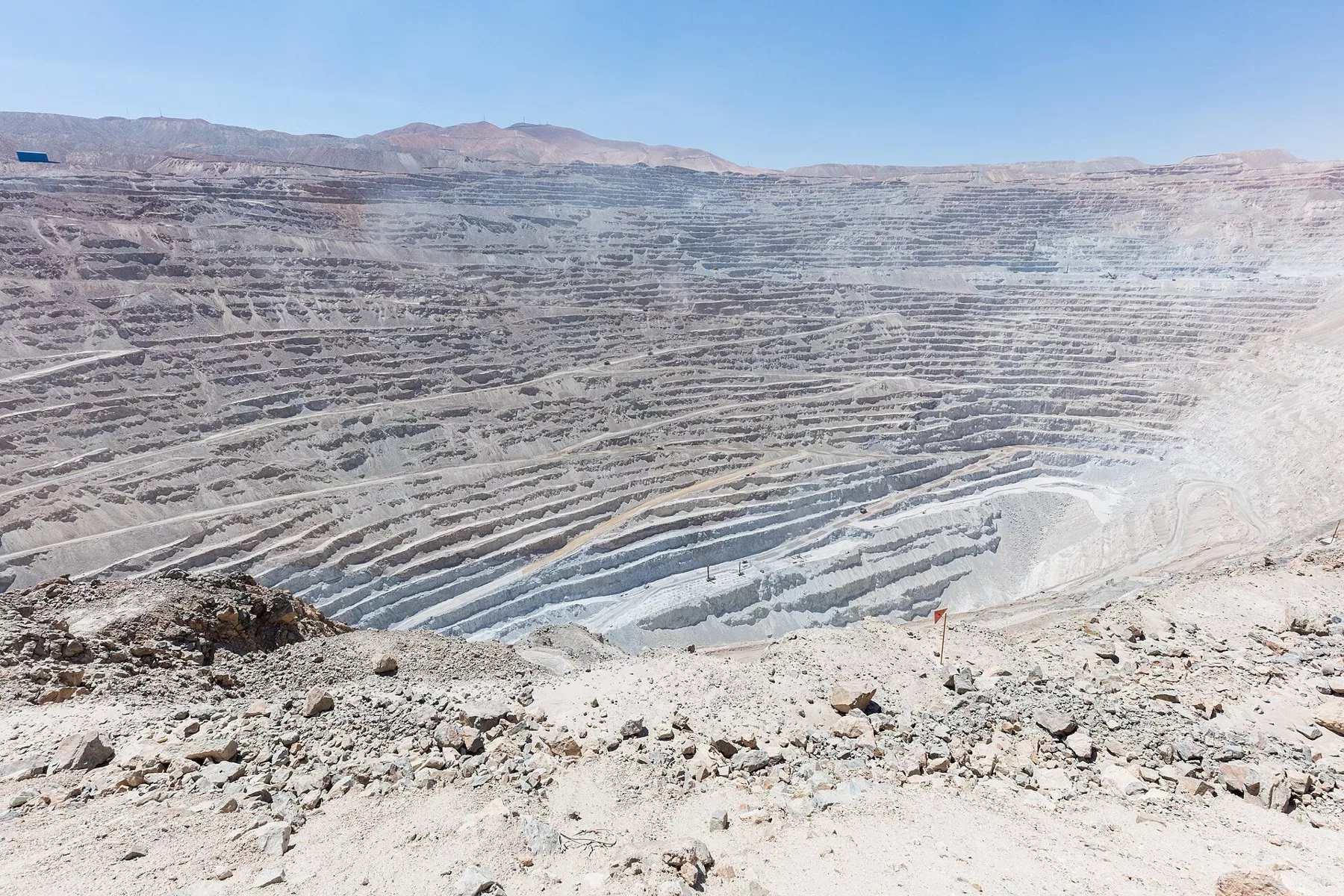
Chile remains the region’s most important copper market exposure. That position gives Chile substantial leverage to long-term electrification and data-centre expansion, but it does not make Chilean production automatically responsive to higher prices.
Mine supply depends on ore grades, water availability, permitting, labour relations, project execution and investment in existing operations.For Chile, the principal risk is a weaker investment signal.Lower expected copper prices can delay expansions and replacement projects, and a reduced long-term AI premium can make marginal projects less financeable.
Peru: High Copper Sensitivity, With Domestic Execution Risk
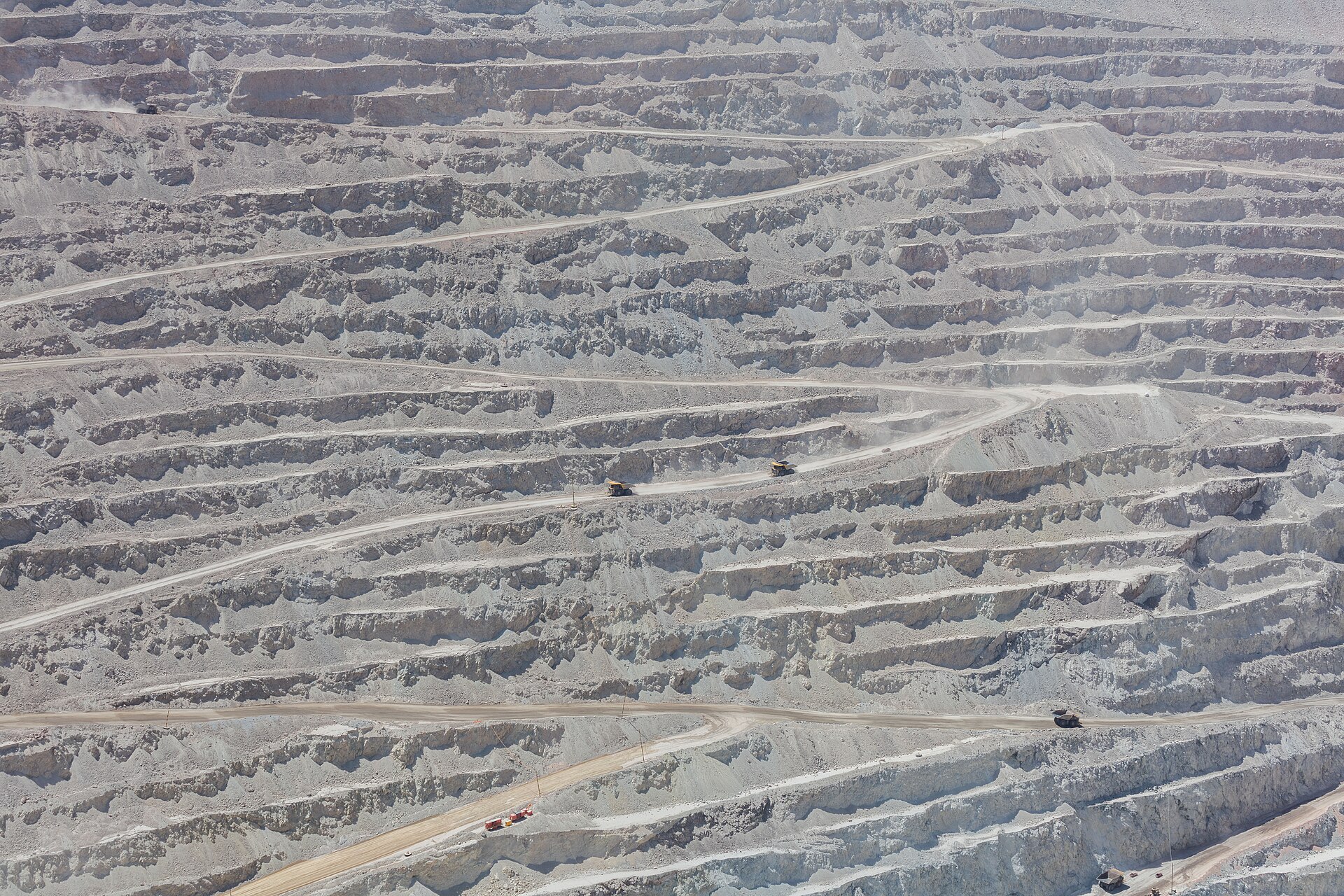
Peru is one of the world’s leading copper producers and has a large project pipeline, making it highly sensitive to changes in expected future demand. The key question is not only whether AI demand falls, but whether a cooling market delays new mines and expansions that were justified by a multi-year electrification deficit.
Peruvian supply is especially relevant to investors because copper production can be affected by social conflict, permitting, infrastructure constraints and political uncertainty. A lower AI-driven demand outlook would add another challenge: projects competing for capital would face a higher hurdle rate.
For Peru, the impact would likely appear through lower copper prices and export revenues, reduced investment in greenfield and expansion projects, and pressure on mining contractors and regional economies.
Argentina: Lithium’s Principal Regional Exposure
Argentina is central to the lithium side of the story, particularly through its brine operations. Its production expansion is tied primarily to electric vehicles, stationary storage and broader battery demand, not directly to data centres.
A slowdown in AI spending would affect Argentina’s lithium sector through two channels. Directly, fewer or slower data-centre battery-storage projects would reduce demand; indirectly, weaker investor enthusiasm for technology and energy-transition commodities could worsen lithium oversupply and reduce financing for new capacity.
The second channel may be more important. Lithium prices have already shown that rapid supply growth can overwhelm demand growth, and an AI-related demand disappointment would only need to reduce expected incremental demand while new brine and hard-rock projects continue entering the market.
What a Cooling of AI Spending Would Change
Copper: Slower Growth, Not Necessarily a Collapse
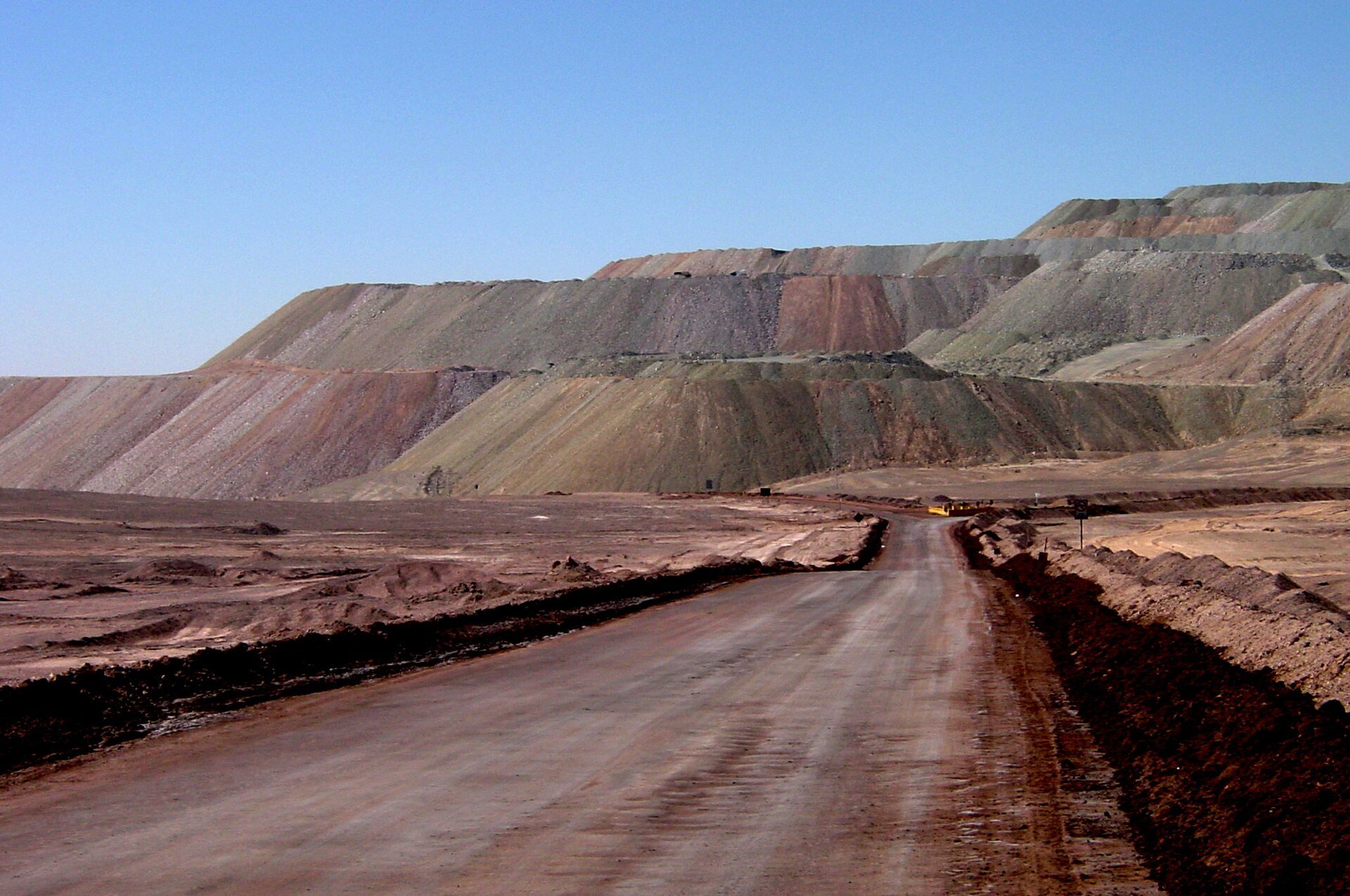
A modest correction would probably reduce the rate of demand growth rather than erase copper demand. Data-centre projects already financed or under construction may proceed, while new projects face greater scrutiny.
The most exposed parts of the copper chain would be new transmission and distribution capacity dedicated to data-centre clusters, transformers, switchgear, substations, new campuses lacking final investment approval, and copper-intensive cooling and power-distribution systems.Existing grid investment, renewable generation, electric vehicles and conventional construction would continue supporting copper demand.This creates a floor under consumption, although a global recession could weaken that broader base.
Lithium: Greater Price Sensitivity Than Volume Sensitivity
AI is unlikely to become lithium’s dominant demand source. A cooling would therefore probably not destroy lithium demand, but it could remove a high-growth narrative supporting battery-storage expectations.
The consequences could include lower expectations for data-centre backup and grid-storage deployment, more aggressive lithium-price competition among producers, deferred expansions and reduced exploration budgets, and increased pressure on high-cost projects.For Argentina, the key variable is not the number of AI servers but whether the global battery-storage market continues expanding quickly enough to absorb new lithium supply.
US-Listed Miners: A Valuation and Financing Shock First
US-listed mining shares would likely react before physical commodity flows changed. Investors would reassess the AI infrastructure premium attached to copper producers, developers and royalty companies.
Diversified miners would be partly protected by exposure to iron ore, coal, aluminium, gold or other commodities. Pure-play copper producers would be more sensitive to copper-price expectations, while developers would be most exposed because their valuations depend on future capital expenditure and financing.
US-listed companies connected to the supply chain should not be treated as a single trade. A semiconductor-equipment company, a power-equipment supplier, a copper miner and a lithium developer occupy different points in the investment cycle, and their revenues respond to customer budgets with different lags.
Nvidia-Linked Supply Chains: The Second Derivative Risk
Nvidia is a key symbol of the AI investment cycle, but its demand does not translate one-for-one into mining demand. The chain runs through several layers: accelerator designers sell chips and systems, cloud providers purchase servers, data-centre developers build facilities and power infrastructure, utilities provide electricity connections, equipment manufacturers order copper-intensive transformers and cables, and mining companies eventually respond to long-term price signals.
A slowdown in Nvidia-linked orders would therefore hit chipmakers, memory suppliers and equipment manufacturers first. Copper miners would feel it later through prices, inventories and cancelled or delayed infrastructure projects.
The chain also contains an important offset: more efficient chips can reduce energy and materials per computation, but lower operating costs may encourage more computing. This rebound effect means efficiency does not automatically reduce total copper demand.
What It Means for You
For a US investor, the sell-off is a reminder that AI-linked commodity exposure is not a single trade. Copper miners, lithium developers, power-equipment suppliers and semiconductor companies respond to the same narrative at different speeds and with different magnitudes.
The practical consequence is to separate valuation shocks from demand signals. A fall in Singapore chip shares tells you that investors are repricing AI economics; it does not yet tell you that a data centre in Chile or Peru has cancelled a copper order.
Watch cloud-company capital-expenditure guidance and data-centre construction starts. Those are the indicators that connect equity sentiment to physical metal demand.
What Is Not Known
The research does not establish whether the sell-off marks the start of a sustained capital-expenditure slowdown or a short-term repricing. No official Singapore statistic measures an Asia AI stock slump, and the available exchange data covers individual companies rather than a defined AI index.
The extent to which lithium prices would fall if AI-related storage demand disappoints is uncertain. Lithium’s AI link is indirect, and the market’s response would depend on broader battery-storage growth and the pace of new supply from Argentina and elsewhere.
What to Watch
The Singapore FinTech Festival runs from 18 to 20 November 2026. Any commentary there on AI investment, data-centre financing or energy infrastructure could provide early signals on whether the sell-off is translating into spending decisions.
Beyond dated events, watch cloud-company capital-expenditure guidance, data-centre lease commitments and construction starts, orders for transformers and switchgear, utility connection queues, and inventory levels for copper products and electrical equipment. The critical distinction is between announced spending and committed spending.
Frequently Asked Questions
How does AI use copper?
Copper is used in grid connections, transmission lines, substations, transformers, switchgear, data-centre power distribution, busbars, cabling, cooling systems and communications infrastructure.
Does AI use lithium?
Lithium is not a primary material in servers or conventional data-centre wiring. Its AI connection is mainly through energy storage, including batteries supporting data-centre backup power and grid-scale storage used to manage intermittent renewable electricity.
Which Latin American countries are most exposed to AI metals demand?
Chile and Peru are the region’s main copper producers. Argentina is central to the lithium side, particularly through its brine operations.
Will a slowdown in AI spending cause copper demand to collapse?
A modest correction would probably reduce the rate of demand growth rather than erase copper demand. Existing grid investment, renewable generation, electric vehicles and conventional construction would continue supporting copper demand, creating a floor under consumption.
What should US investors watch after the AI stock slump?
Watch cloud-company capital-expenditure guidance, data-centre lease commitments and construction starts, orders for transformers and switchgear, utility connection queues, and inventory levels for copper products and electrical equipment. The critical distinction is between announced spending and committed spending.
Sources: riotimesonline.com, longbridge.com, straitstimes.com, businesstimes.com.sg, iea.org, sg.finance.yahoo.com. Retrieved 30 October 2026.
This article was produced by The Rio Times’ automated newsroom system. How we use AI · Report an error · Editorial responsibility: Matthias Camenzind, Editor-in-Chief