Is Hong Kong a Country? No, but It Governs Itself
Hong Kong runs its own money, courts and passports, yet Beijing holds sovereignty, defence and foreign affairs. That mix explains why the question keeps coming up, and why the answer is no.

CHINA · HONG KONG
Updated 2 times · Latest: 27 November 2026
No, Hong Kong is not a country: it is a special administrative region of China, with its own currency, passport and border, while China’s central government in Beijing is responsible for defence and foreign affairs.
Its mini-constitution, the Basic Law, calls it an inalienable part of China, and Beijing holds sovereignty, defence and foreign affairs. Hong Kong has run most other matters itself since Britain handed it back on 1 July 1997.
Hong Kong has no seat at the United Nations, though it is a separate member of the World Trade Organization. For US readers, that means visa-free entry for up to 90 days, but a Chinese visa for the mainland.
Key Facts
- The answer No. A Chinese special administrative region with its own currency, passport and border.
- Latest 723 candidates won Election Committee seats on Sunday 22 November.
- Next step The new Election Committee, which picks the leader, starts a five-year term on 1 February 2027.
- The money One US dollar buys HKD 7.75 to 7.85, a peg in place since 1983.
- For Americans US citizens enter visa-free for up to 90 days; the mainland generally needs a Chinese visa.
Hong Kong runs its own money, courts and passports, yet Beijing holds sovereignty, defence and foreign affairs. That mix explains why the question keeps coming up, and why the answer is no.
Is Hong Kong a Country or Part of China?
Hong Kong is not a sovereign state under Chinese law or international practice. Article 1 of the Basic Law says the region “is an inalienable part of the People’s Republic of China”.
Its full name is the Hong Kong Special Administrative Region, or HKSAR. It has no army of its own and no embassies, and foreign governments deal with it through consulates.
Washington’s mission is the US Consulate General Hong Kong and Macau. Macau, a former Portuguese territory, is China’s only other special administrative region.
What Hong Kong Has That Countries Have
Hong Kong issues its own passports and runs its own immigration checks at the border with the mainland. It also keeps its own legal tender, the Hong Kong dollar, and applies no foreign exchange controls.
It is a separate customs territory and a free port, meaning goods enter with no general tariff. The World Trade Organization, the global trade body, lists “Hong Kong, China” as a member since 1 January 1995.
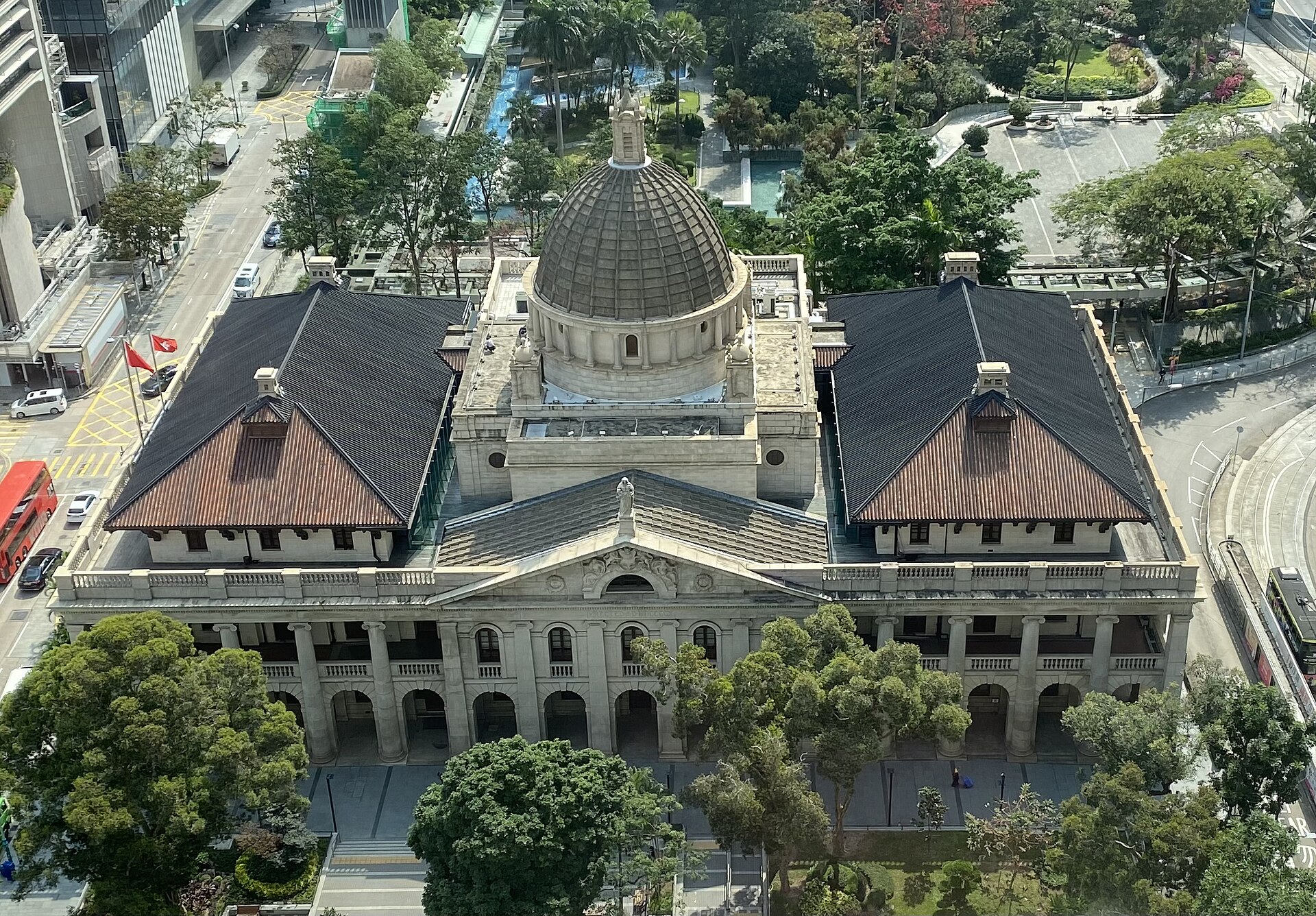
Hong Kong keeps the common law system, judge-made case law, that it inherited from Britain. Its top court, the Court of Final Appeal, may invite judges from other common law jurisdictions.
English stays an official language alongside Chinese under Article 9 of the Basic Law. The city had 7,518,300 residents in mid-2026, a provisional figure up 0.3% from 7,498,900 a year earlier, the government’s Census and Statistics Department says.
What Beijing Still Controls
Britain and China signed the Joint Declaration in Beijing on 19 December 1984, setting the terms of the handover. China resumed sovereignty over Hong Kong on 1 July 1997, promising a high degree of autonomy except in foreign and defence affairs.
China’s national government runs foreign affairs and defence, and a garrison of China’s People’s Liberation Army is stationed in the city. Under Article 15, Beijing also appoints the Chief Executive, the city’s leader, and the principal officials.
The Standing Committee of the National People’s Congress, China’s top legislature between sessions, holds the power to interpret the Basic Law under Article 158. National laws apply only if they are listed in Annex III, the Basic Law’s schedule of national laws, which now includes the 2020 national security law, added by a Standing Committee decision of 30 June 2020.
China’s top legislature passed that law on Tuesday 30 June 2020, covering secession, subversion, terrorism and collusion with foreign forces. A local law, the Safeguarding National Security Ordinance, took effect on Saturday 23 March 2024.
The Basic Law promises the capitalist system and way of life for 50 years, which runs to 2047. It does not say what happens after that date.
What Is New in Hong Kong in Late November
Voters in 31 contested subsectors, the trade and professional groups that fill part of the Election Committee, returned 723 members on Sunday 22 November, the Hong Kong government said that night. Another 259 candidates in five subsectors had already been returned without a vote.
The government said the new committee takes office on 1 February 2027 for five years. Its first big task is to choose the city’s next leader, since Chief Executive John Lee’s term ends on 30 June 2027.
Earlier in the month, John Lee was due to attend the Asia-Pacific Economic Cooperation (APEC) leaders’ meeting in Shenzhen, the mainland city across the border, on Thursday 19 November, the government said on 16 November. China hosted the Asia-Pacific summit this year.
On Thursday 5 November a Hong Kong court sentenced activist Joshua Wong, legally Wong Chi-fung, to 10 years in prison under the national security law. Our explainer on the Joshua Wong case has the background.
Who Runs Hong Kong in November 2026
John Lee Ka-chiu, a former police officer, has been Chief Executive since Friday 1 July 2022. His term ends on Wednesday 30 June 2027.
The Election Committee that will choose the next leader is set at 1,500 members in five sectors. Nominations closed on 20 October, and 1,115 candidates were validly nominated, the government said.
Of those, 856 contested 723 seats in 31 subsectors on Sunday 22 November, and all 723 winners are now named. The other 259 candidates, in five subsectors, were returned unopposed.
A Chief Executive candidate needs at least 188 nominations and more than 750 votes. Of the 90 seats in the Legislative Council, the city’s parliament, only 20 are directly elected, while 30 come from seats for trade and professional groups and 40 from the Election Committee.
The most visible court case is that of Jimmy Lai, a former media owner, sentenced on Monday 9 February 2026 to 20 years in prison. He was convicted of national security offences.
Money, Trade and the Hong Kong Dollar Peg
The Hong Kong dollar has been pegged to the US dollar since October 1983. The Hong Kong Monetary Authority, the city’s de facto central bank, guarantees conversion within a band of HKD 7.75 to 7.85 per US$1.
US goods exports to Hong Kong reached US$33.7 billion in 2025 against imports of US$5.1 billion, US Census Bureau data show. That is a US$28.5 billion surplus.
How Washington Treats Hong Kong
US law has treated Hong Kong separately from mainland China since the United States-Hong Kong Policy Act of 1992, which lets Washington treat the city separately. On Tuesday 14 July 2020, President Donald Trump signed Executive Order 13936, a presidential order finding the city “no longer sufficiently autonomous”.
Since late 2020, US Customs and Border Protection, the US border agency, has required goods made in Hong Kong to be marked “China” on arrival. The label is a legal marking rule for importers.
What It Means for US Readers
US citizens can visit Hong Kong without a visa for up to 90 days, the city’s Immigration Department says. They must hold an onward or return ticket.
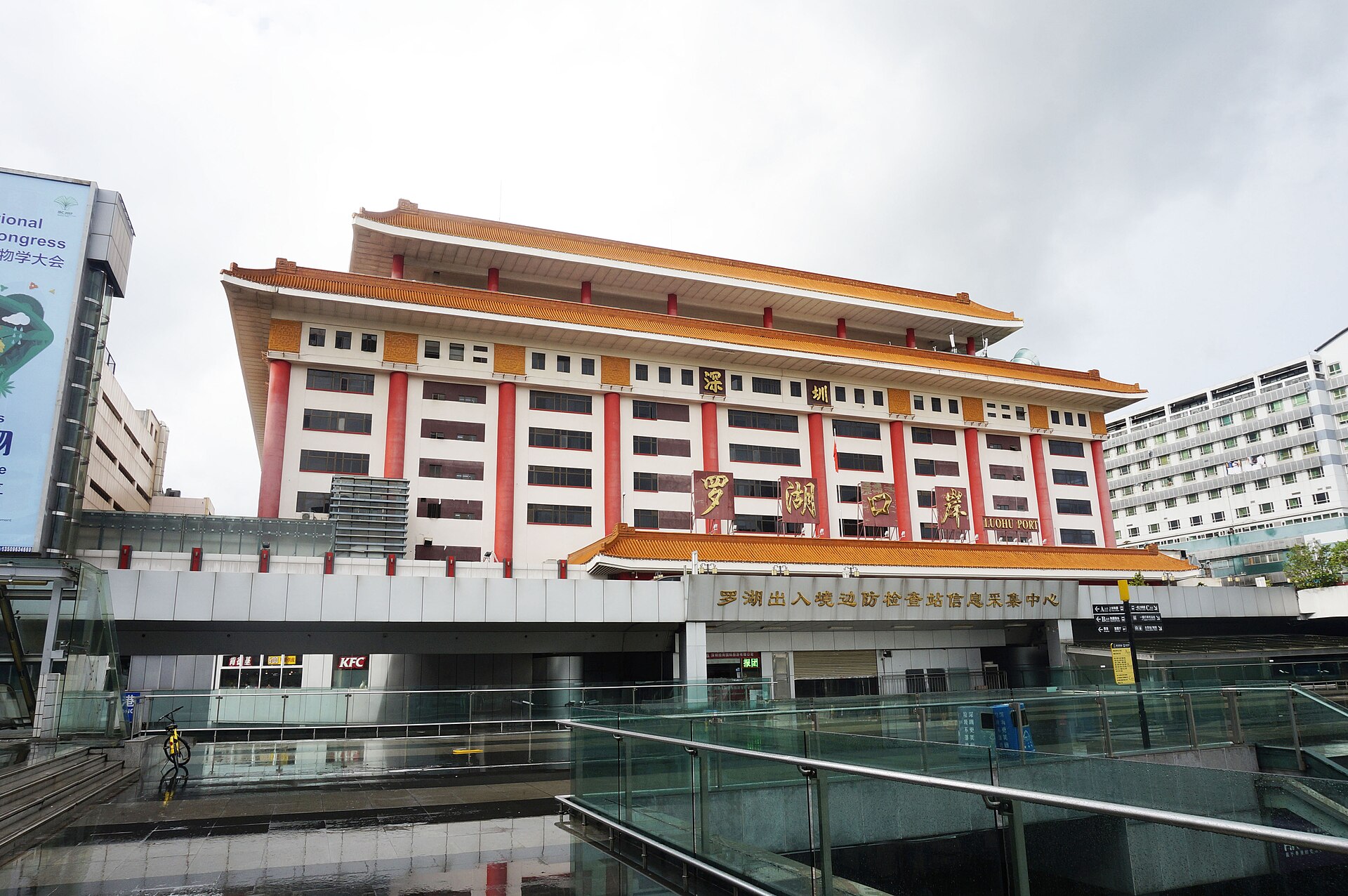
That rule does not cover the mainland, where US citizens generally need a Chinese visa. Travellers who cross to Shenzhen by land clear Hong Kong departure control first and then mainland immigration.
The US State Department publishes a travel advisory for Hong Kong, which visitors should read before booking. The 2020 national security law says it also covers offences committed outside the city by people who are not residents.
For importers, the “China” marking applies. For investors, the dollar peg, the free movement of money and the common law courts still set Hong Kong apart.
What Is Not Known
Hong Kong’s next Chief Executive has not yet been chosen. John Lee’s term runs to 30 June 2027, and the new Election Committee takes office on 1 February 2027.
What happens to the Basic Law’s system after the 50 years end in 2047 is not set out in law. The Basic Law itself is silent on the question.
Frequently Asked Questions
Is Hong Kong a country?
No, Hong Kong is a special administrative region of China, not a sovereign state. It keeps its own laws, courts, currency, passport and border controls under the Basic Law.
Is Hong Kong part of China or separate?
It is part of China since 1 July 1997, when Britain handed it back. Beijing controls defence and foreign affairs, while Hong Kong runs most other matters itself.
Do US citizens need a visa for Hong Kong?
No, US citizens can stay up to 90 days without a visa. They must hold an onward or return ticket.
What currency does Hong Kong use?
The Hong Kong dollar, which is legal tender under the Basic Law. It is pegged to the US dollar within a band of HKD 7.75 to 7.85 per US$1.
Who is the leader of Hong Kong?
John Lee Ka-chiu has been Chief Executive since 1 July 2022, appointed by Beijing. His five-year term ends on 30 June 2027.
Related coverage: Hong Kong Jails Joshua Wong for 10 Years, Trump-Putin One-on-One Added in Shenzhen, China’s Military Purge Explained for US Readers and the Rio Times Asia page.
Sources
- Basic Law of the Hong Kong SAR (Chapters I, II and VIII, Annexes I to III), 10 November 2026
- HKSAR government, nomination forms for the Election Committee subsector elections, 20 October 2026
- World Trade Organization, Hong Kong, China member page, 10 November 2026
- HKSAR Immigration Department, visit visa rules, 16 November 2026
- Hong Kong Monetary Authority, Linked Exchange Rate System, 16 November 2026
- HKSAR government, Election Committee Subsector Ordinary Elections successfully held, 22 November 2026
- Census and Statistics Department, mid-2026 population, 10 November 2026
- US Census Bureau, trade with Hong Kong, 2025 annual data
- HKSAR government, sentencing in the Lai Chee-ying case, 9 February 2026
- HKSAR government, Chief Executive to attend APEC in Shenzhen, 16 November 2026
- HKSAR government, Election Committee poll on 22 November, 7 August 2026
This article was produced by The Rio Times’ automated AI newsroom. Editorial responsibility: Matthias Camenzind, Publisher and Editor-in-Chief. The Rio Times also runs Ask Rio Times, which answers from 100,000+ of our own articles, the daily Latin America Power Map, and prediction-market odds on elections and markets.. How we use AI · Report an error
LatAm Markets: Live Signals → — real-time movers, turnover leaders and FX across Latin America.