PHILIPPINES · ANALYSIS
Key Facts
- —What is happening The 20th ADMM and 13th ADMM-Plus bring the 11 ASEAN member states and eight Plus countries to Cebu, Philippines, during 26–30 October 2026; the ministerial meetings are scheduled for 28–29 October.
- —Why it matters The meeting tests whether ASEAN can keep China, the United States, Japan and Australia in one dialogue while maritime tensions rise.
- —The numbers Eleven ASEAN member states and eight ADMM-Plus partners are represented; the ministerial meetings are held on 28–29 October, with the broader ADMM/ADMM-Plus program scheduled for 26–30 October 2026.
- —Who is who Philippine Defence Secretary Gilberto Teodoro chairs the meetings; the cited official sources do not confirm US Defense Secretary Pete Hegseth’s attendance.
- —What to watch Whether China attends, what the Hegseth–Teodoro bilateral produces, and how strongly any joint statement addresses South China Sea risks.
- —What it means for you US investors and executives should watch for signals on maritime security, defence procurement and infrastructure risk in Southeast Asian supply chains.
The ASEAN defence ministers meeting in Cebu on 28–29 October 2026 is the clearest test yet of whether the Philippines can deepen its alliance with the United States without breaking ASEAN’s inclusive regional dialogue. For US readers, the outcome will shape maritime security, defence spending and supply-chain risk across one of the world’s most important trade corridors.
The Philippines, ASEAN chair for 2026, is hosting the 20th ADMM and 13th ADMM-Plus in Cebu on October 28–29, 2026; the available source does not describe the country as an archipelago of more than 7,000 islands or as sitting astride the South China Sea. This analysis explains what the ADMM-Plus is, who is attending, and what the meetings could produce, drawing on the Asia Intelligence Brief and official ASEAN sources.
What the ADMM and ADMM-Plus Actually Are
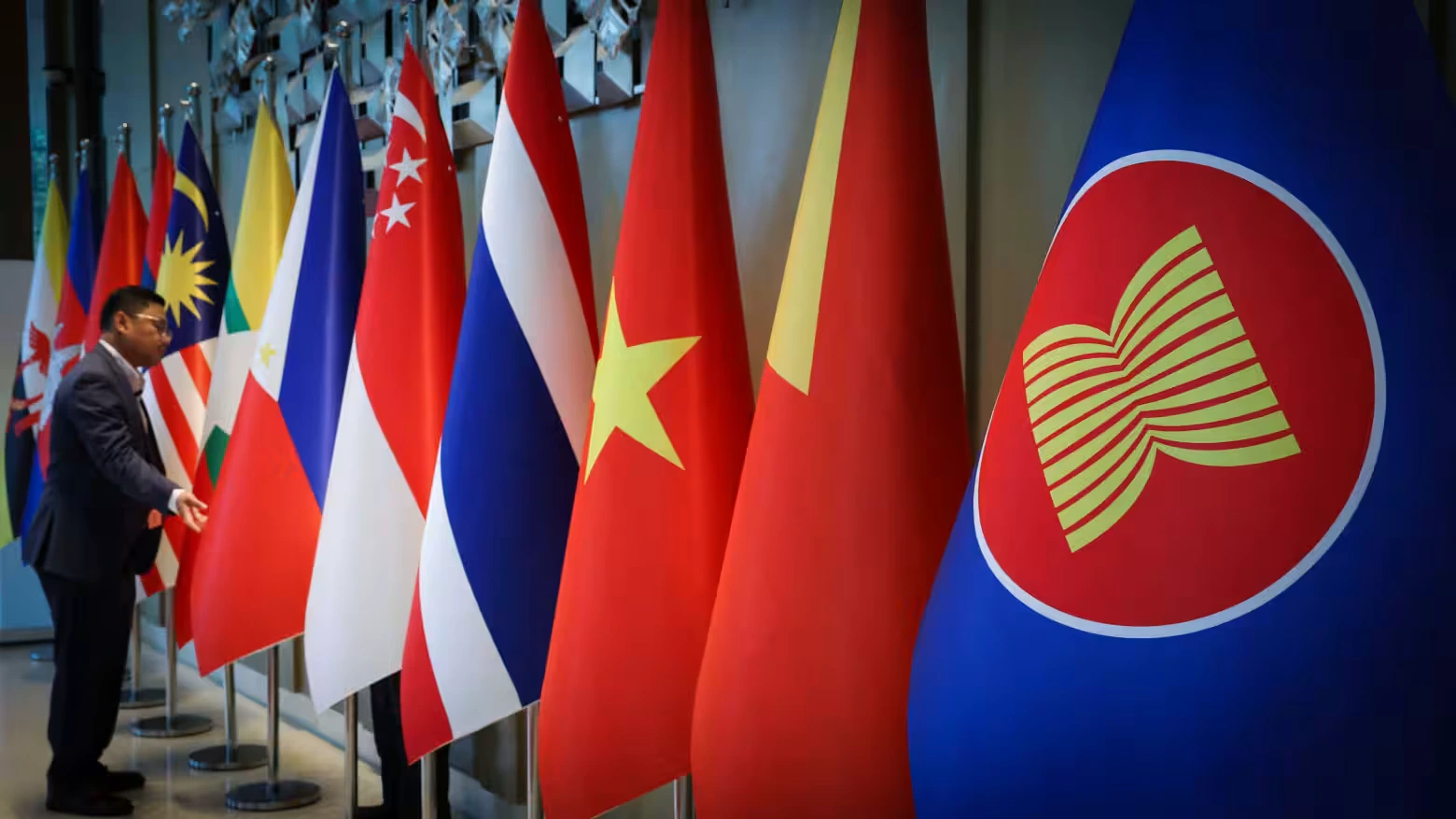
The Association of Southeast Asian Nations (ASEAN) is a regional organisation of 11 member states in 2026: Brunei, Cambodia, Indonesia, Laos, Malaysia, Myanmar, the Philippines, Singapore, Thailand, Timor-Leste and Vietnam. Its defence ministers meet through the ASEAN Defence Ministers’ Meeting, known as the ADMM, which was established in 2006 as the bloc’s highest defence consultative mechanism.
The ADMM-Plus, launched in 2010, expands that format to include eight external partners: Australia, China, India, Japan, New Zealand, Russia, South Korea and the United States. Singapore’s defence ministry describes the ADMM-Plus as bringing together all 11 ASEAN members and those eight partner countries.
The format is not a military alliance. It is a ministerial dialogue and cooperation mechanism designed to reduce miscalculation, develop practical defence cooperation and preserve ASEAN-led diplomacy.
That distinction matters. The ADMM-Plus allows the Philippines to pursue stronger US defence ties while China, Russia and other powers remain inside the same room, rather than forcing ASEAN members to choose sides.
The Host, the Venue and the Chair
Philippine Secretary of National Defense Gilberto C. Teodoro Jr. chairs the ASEAN defence process this year.
The 20th ADMM and 13th ADMM-Plus are being held in Cebu, with the principal venue identified as the Mactan Expo Center in Lapu-Lapu City. The ministerial meetings are held on 28–29 October, with the broader ADMM/ADMM-Plus program scheduled for 26–30 October 2026.
The Philippines will hand the ADMM and ADMM-Plus chairmanship to Singapore on 29 October. Singapore’s Defence Minister Chan Chun Sing is attending.
Lapu-Lapu City Mayor Ma. Cynthia “Cindi” Chan is the host-city authority.
Who Is Attending and What Each Actor Wants
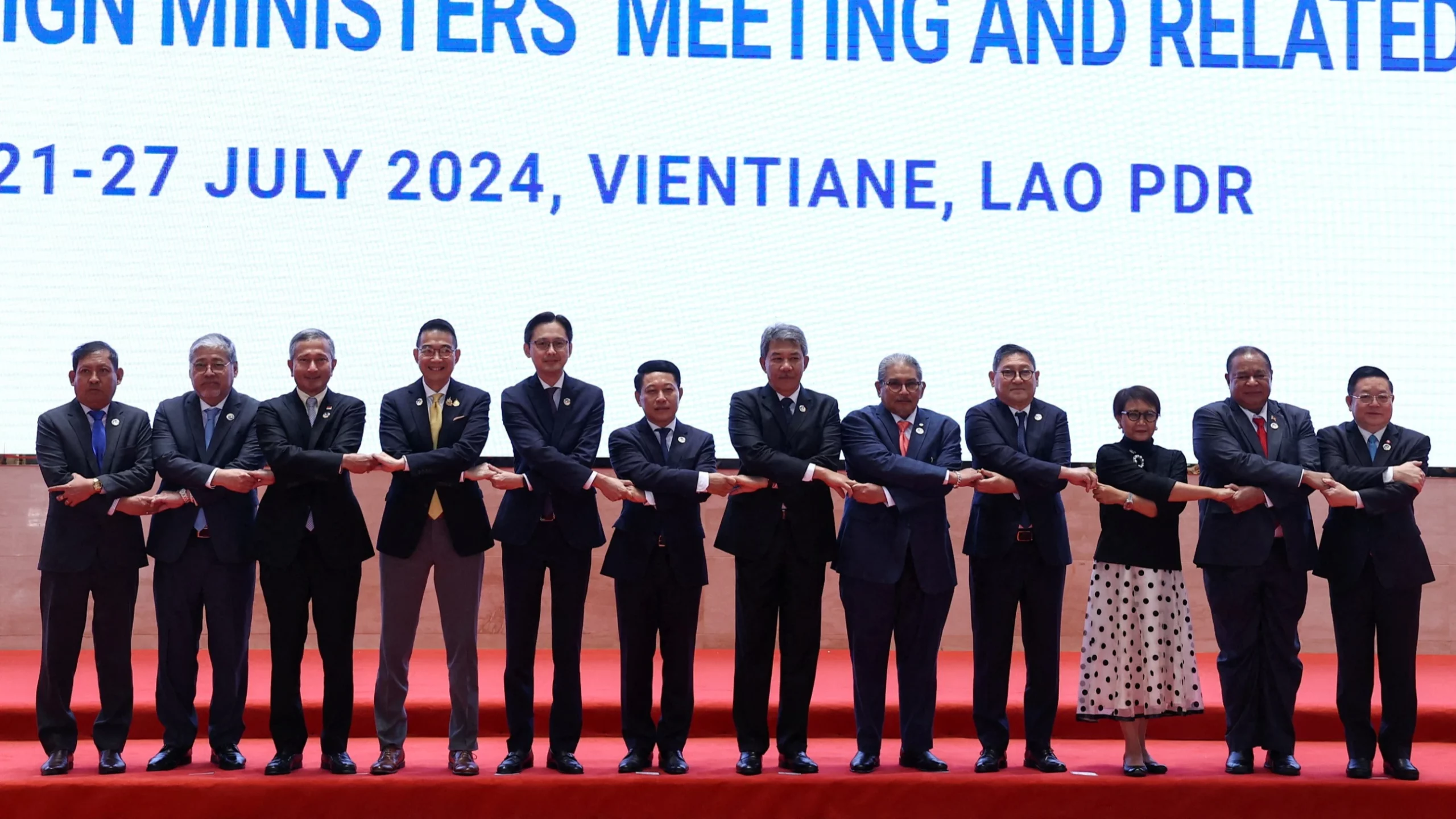
The core ADMM brings together defence ministers from the 11 ASEAN members. The ADMM-Plus adds the defence ministers or senior defence representatives of the eight partner countries.
The confirmed or publicly identified participants include Philippine Defence Secretary Gilberto Teodoro; the cited official sources do not confirm US Defense Secretary Pete Hegseth’s attendance. The ASEAN Secretariat delegation is led by Dr. Kao Kim Hourn, Secretary-General of ASEAN, who took office on 1 January 2023.
Australia, India, New Zealand, South Korea and Russia are members of the ADMM-Plus partner group.
The Philippines
Manila wants to use its chairmanship to reinforce the US alliance, particularly on military modernisation, capability development, deterrence, burden-sharing and maritime security. Teodoro is expected to hold a bilateral meeting with Hegseth and separate discussions with other defence ministers.
The Philippines is also likely to press more openly on South China Sea risks than some ASEAN members prefer. The key question is whether the final language can acknowledge those risks without fragmenting ASEAN consensus.
The United States
Washington’s participation raises the political significance of the meeting beyond routine ASEAN defence diplomacy. Hegseth’s attendance, confirmed by Philippine reporting, signals that the United States sees the gathering as a venue to demonstrate alliance coordination.
The challenge for Washington is to support Manila without turning the ADMM-Plus into an explicitly anti-China forum. That would risk alienating ASEAN members that prefer to keep Beijing engaged.
Japan and Australia
Japan is a major security partner for Southeast Asian states.
Australia is one of the eight ADMM-Plus partners and a long-standing defence partner of Southeast Asia. Its participation gives ASEAN another major power through which to pursue training, humanitarian assistance, maritime cooperation and disaster-response capabilities without relying exclusively on either Washington or Beijing.
The South China Sea and the Economic Stakes
The South China Sea is expected to be one of the most politically sensitive subjects.
The economic stakes are substantial. The South China Sea carries a large share of global maritime trade, and any disruption to freedom of navigation would affect supply chains, energy shipments and manufacturing inputs across Asia, the United States and Latin America.
For investors, the meetings may generate practical cooperation on cybersecurity and critical infrastructure, with implications for ports, telecommunications, energy and other strategic sectors. The strongest signal will be whether the meetings produce exercises, hotlines, information-sharing arrangements and funded capability programmes rather than only communiqués.
What Could Come Out of the Meetings
The most realistic outcomes are political signals, practical cooperation and bilateral agreements, not a new military bloc. A Teodoro–Hegseth bilateral meeting could produce announcements on modernisation, exercises, information-sharing or maritime cooperation.
Philippine officials said proposed outcome documents could include joint statements, although final texts remain subject to consensus. Likely areas include maritime security, humanitarian assistance, disaster response, counterterrorism, peacekeeping, medicine, mine action and cybersecurity.
The wording and level of consensus will be important indicators of ASEAN’s ability to address maritime tensions.
ADMM-Plus working groups already provide a mechanism for practical cooperation. The meeting could advance future exercises, training and exchanges in maritime security, humanitarian assistance, military medicine, cybersecurity and disaster response.
What It Means for the United States and Latin America
For the United States, the meeting is a test of whether Washington can support a key ally without pushing ASEAN members toward Beijing. A visible Hegseth–Teodoro bilateral would underline the durability of the US–Philippines alliance, but an overtly anti-China tone could weaken ASEAN unity.
For Latin America, the relevance is indirect but real. The South China Sea is a critical artery for trade between Asia and the Americas, and any escalation would raise shipping costs and disrupt supply chains for manufacturers, retailers and commodity exporters across the hemisphere.
The meetings also offer a model of how middle powers can manage great-power competition through inclusive dialogue. That lesson resonates for Latin American countries navigating their own relationships with Washington and Beijing.
What It Means for You
If you are a US investor or executive with exposure to Asian supply chains, watch for language on freedom of navigation and maritime risk-reduction. Stronger commitments to communication and restraint would reduce the probability of disruptive incidents at sea.
If you are an expatriate or foreign resident in Southeast Asia, the meetings matter for regional stability and for practical cooperation on disaster response, cybersecurity and critical infrastructure. The chairmanship handover to Singapore will also shape the agenda for 2027.
What Is Not Known
Its participation, or absence, will affect the meeting’s diplomatic weight and the tone of any South China Sea statement.
What to Watch
Watch for China’s attendance on 28–29 October 2026. Its presence or absence will shape the meeting’s tone and the credibility of any maritime-security language.
Watch the Hegseth–Teodoro bilateral meeting. Announcements on alliance commitments, defence modernisation or maritime cooperation would indicate how far Manila–Washington ties are moving beyond rhetoric.
Watch the language on the South China Sea. References to UNCLOS, freedom of navigation, self-restraint, non-militarisation or dangerous encounters will show how directly the ministers address regional risk.
Watch Japan and Australia’s commitments. New exercises, capacity-building programmes or maritime initiatives could strengthen the region’s distributed security architecture.
Watch the chairmanship handover to Singapore. Singapore’s 2027 leadership will indicate whether the next chair continues the Philippines’ emphasis on maritime security or adopts a more broadly consensus-oriented agenda.
Frequently Asked Questions
What is the ADMM-Plus?
The ADMM-Plus is a defence dialogue that brings together the 11 ASEAN member states and eight partner countries: Australia, China, India, Japan, New Zealand, Russia, South Korea and the United States. It was launched in 2010 and is not a military alliance.
Who is attending the ASEAN defence ministers meeting in Cebu?
Confirmed attendees include Philippine Defence Secretary Gilberto Teodoro; the cited official sources do not confirm US Defense Secretary Pete Hegseth’s attendance. The ASEAN Secretary-General, Dr. Kao Kim Hourn, is leading the ASEAN Secretariat delegation.
Where and when is the 2026 ADMM being held?
The 20th ADMM and 13th ADMM-Plus are being held at the Mactan Expo Center in Lapu-Lapu City, Cebu, on 28–29 October 2026, with the broader ADMM/ADMM-Plus program scheduled for 26–30 October.
Will China attend the ADMM-Plus in Cebu?
Its participation or absence will affect the meeting’s diplomatic weight.
What could come out of the Cebu defence meetings?
Possible outcomes include a stronger US–Philippines defence signal, joint statements on practical cooperation, maritime risk-reduction language, expanded exercises and a test of ASEAN unity on the South China Sea.
Why does the ADMM-Plus matter for US investors?
The South China Sea is a critical trade corridor, and any disruption would affect supply chains, energy shipments and manufacturing inputs across Asia and the Americas. The meetings may also generate practical cooperation on cybersecurity and critical infrastructure.
Sources: riotimesonline.com, pna.gov.ph, asean.org, admm.asean.org, admm.asean.org, mindef.gov.sg. Retrieved 27 October 2026.
This article was drafted with automated assistance and reviewed before publication. How we use AI · Report an error · Editorial responsibility: Matthias Camenzind, Editor-in-Chief