Facing financial challenges, La Rioja, an Argentine province, has launched its own currency, named ‘Bocade’.
This move comes as a response to President Milei’s decision to minimize discretionary transfers to the provinces.
These transfers are essential funds that the national government provides to local administrations for various expenses and investments.
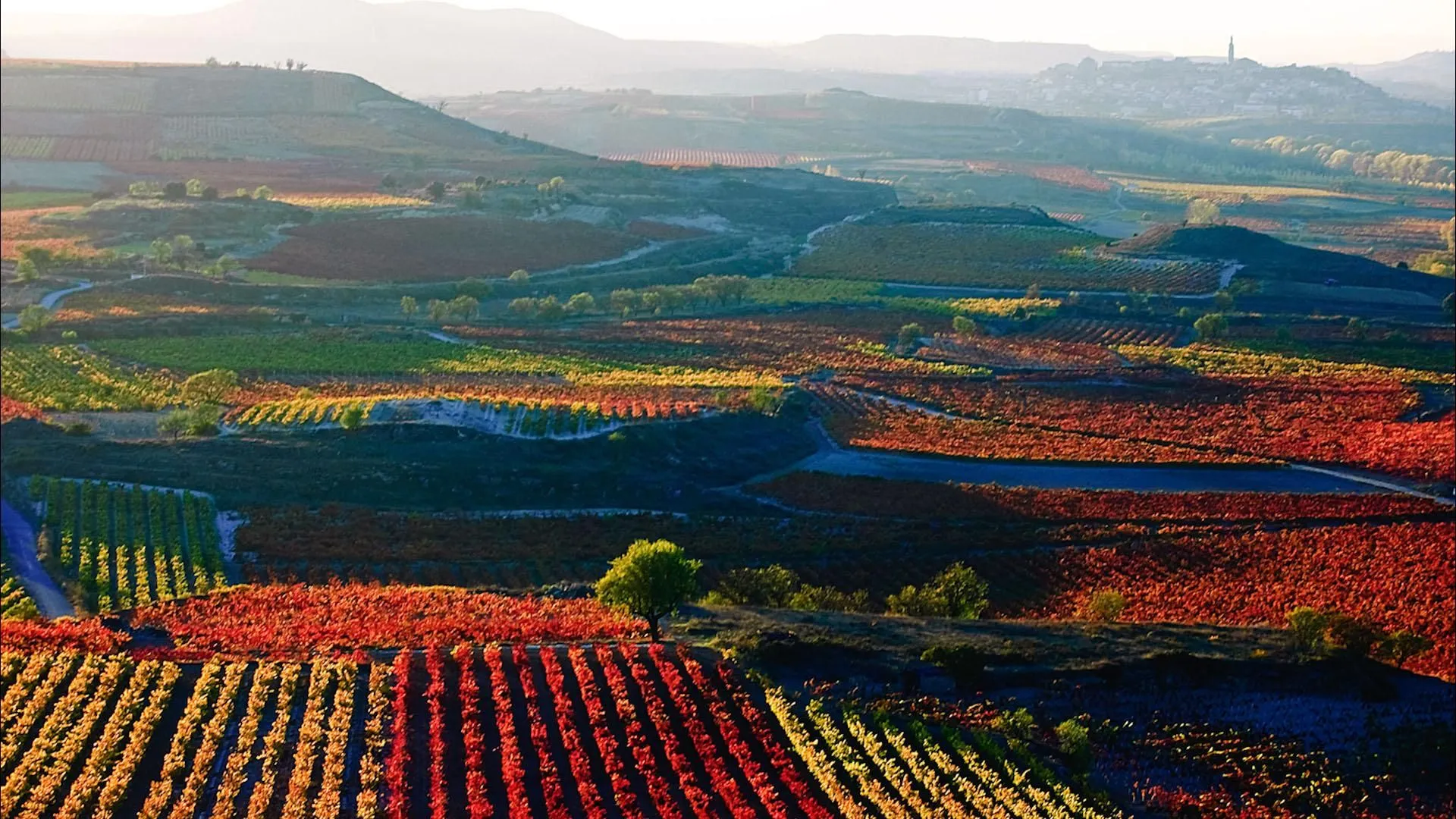
La Rioja Province in Argentina, known for its rich cultural heritage and fertile wine valleys, significantly contributes to national agriculture and tourism.
Governor Ricardo Quintela spearheaded the currency issuance to manage the province’s financial issues.
The province aims to navigate economic difficulties by issuing a new currency totaling 22.5 billion pesos or about 27.5 million dollars.
This approach reflects La Rioja’s effort to maintain financial stability in light of reduced federal support.
The issuance of a local currency is not new in Argentina’s history. Similar strategies were adopted during the 2001 financial crisis.
At that time, provinces issued quasi-currencies due to the liquidity crunch under the Convertibility Law, which linked the Argentine peso to the US dollar.
Given the current economic scenario, experts view La Rioja’s decision as a necessary step.
Provinces face liquidity and credit shortfalls, and local currencies can help fulfill financial commitments.
However, the success of this quasi-currency hinges on maintaining its value against the national currency.
Any significant peso devaluation could affect the local currency’s worth.
President Milei has taken a hands-off approach, suggesting the market will determine the local currency’s value.
La Rioja’s strategy addresses Argentina’s inflation and peso devaluation, marking a key shift in provincial financial management.
More: Argentina news in English, every day from The Rio Times.
This article was produced by The Rio Times’ automated newsroom system. How we use AI · Report an error
Read More from The Rio Times