Argentina Tightens Liquidity in Its Peso Defense as the Dollar Holds Firm
Argentina · Markets
Key Facts
- —Wholesale dollar ARS 1,498.50 on Aug 7 (approx. US$1 at ARS 1,498.50).
- —Banco Nación retail ARS 1,520 sell / ARS 1,470 buy on Aug 7-10.
- —BCRA purchases US$41 million on Aug 7; US$13 million on Aug 10.
- —Reserves US$48.835 billion after US$1.224 billion drop on Aug 7.
- —IMF payment over US$850 million on Aug 7.
- —Monetary stance unchanged in Q2, per BCRA IPOM.
Argentina tightens liquidity and intervenes to keep the wholesale dollar near ARS 1,500 in early August.
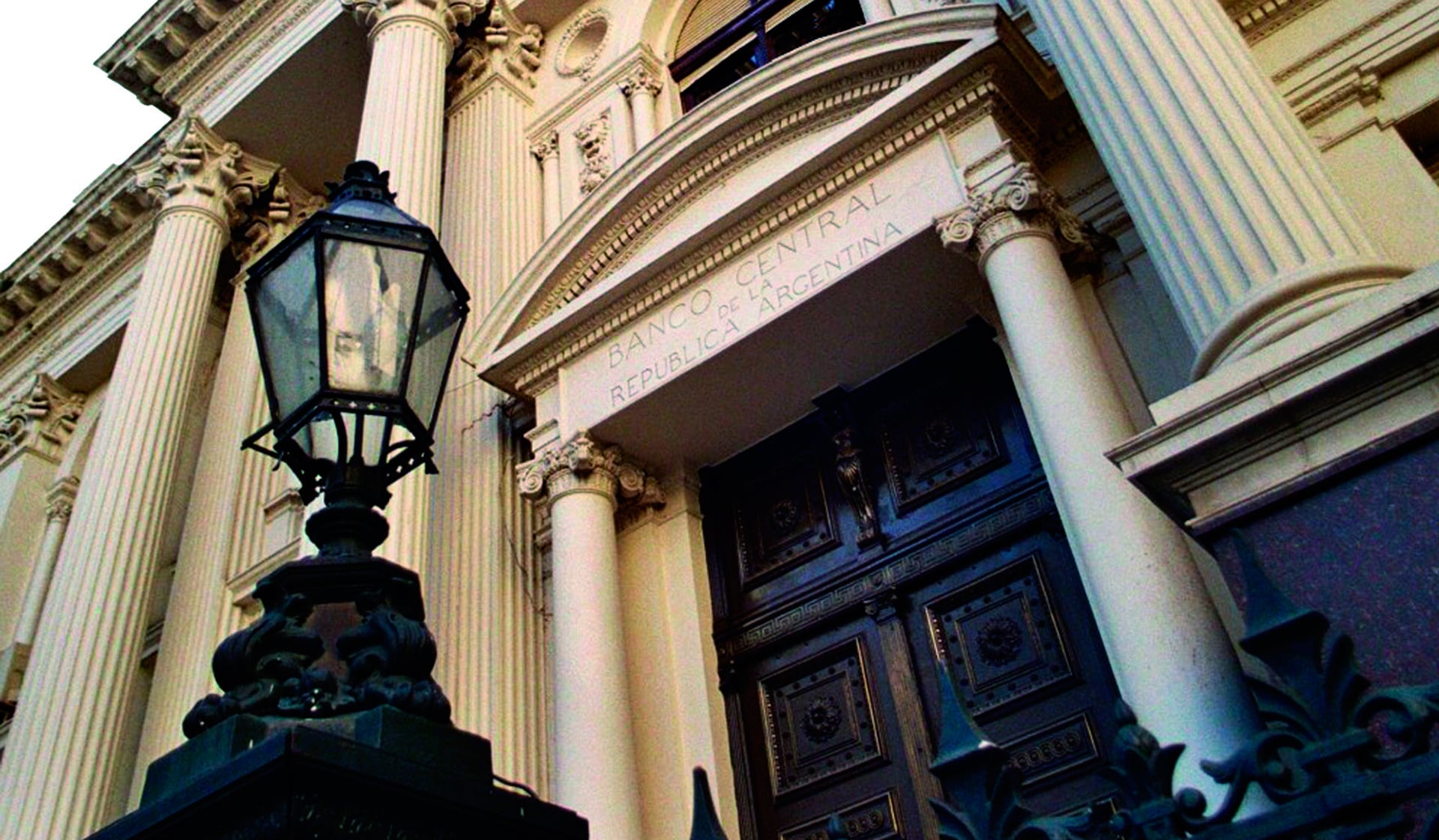
Argentina’s peso defense intensified in early August 2026 as authorities kept liquidity tight and intervened. To hold the wholesale dollar near ARS 1,500, according to market reports and central bank data.
Market Intervention and Peso Defense
On August 7, the wholesale dollar closed at ARS 1,498.50 per US$1, down ARS 1.00 from the previous session, Infobae reported. The Banco Nación retail dollar held at ARS 1,520 sell / ARS 1,470 buy for the third consecutive day.
The central bank bought US$41 million that day, according to Infobae. On August 10, the BCRA purchased US$13 million, while the wholesale rate fell to ARS 1,495.50, per El Financiero Digital.
Reuters on August 10 reported the peso at ARS 1,499.50, calling it ‘near its minimum. Historical level.
‘ The news agency said the central bank was ‘regulating liquidity’ to support the currency. The interventions were part of a broader effort to defend the.
Peso ahead of 2027 elections, as reported by Infobae on August 11. This campaign involved coordinated action by the Economy Ministry and the central bank to manage market expectations.
The central bank’s strategy included absorbing excess pesos from the financial system, which helped support the currency. Analysts noted that this approach was designed to avoid abrupt changes in the exchange rate while maintaining stability.
This tactic of liquidity absorption is a classic tool in managed float regimes. Allowing authorities to influence the exchange rate without resorting to explicit capital controls.
According to market reports, the BCRA’s daily interventions were carefully calibrated to signal a floor under the peso without overcommitting reserves. The strategy also aimed to dampen speculative positions against the currency, as.
Traders observed the central bank’s willingness to act at key psychological levels. By holding the rate near ARS 1,500, the authorities sought to anchor expectations in a period of seasonal dollar demand.
Reserves Dip After IMF Payment
International reserves fell US$1.224 billion to US$48.835 billion on August 7, Infobae reported. The drop was driven by a payment of more than US$850 million to the International Monetary Fund (IMF).
The BCRA’s purchases came even as reserves declined, reflecting the central bank’s active role in managing the exchange rate. The monetary authority’s interventions aimed to prevent the peso from breaching the ARS 1,500 threshold.
Despite the reserve decline, the central bank’s continued dollar purchases signaled a commitment to maintaining market confidence. The IMF payment was part of Argentina’s scheduled obligations under its extended fund facility.
The reserve level remained above US$48 billion, providing a buffer for further intervention if needed. However, the decline highlighted the ongoing fiscal and external pressures facing the economy.
The US$1.224 billion drop represented a significant weekly reduction, but analysts noted that such. Payments were predictable and had been factored into the central bank’s reserve management plans.
The BCRA’s ability to absorb dollars even amid the outflows demonstrated a degree of resilience. According to the IPOM, the central bank regularly evaluates reserve adequacy against external.
Obligations, and the IMF payment was a major component of the quarter’s external schedule. The remaining buffer still covered several months of imports, mitigating immediate balance of payments risks.
Live Market IntelligenceArgentina — Live Market Board
Rio Times · Live Market Intelligence
Argentina — Live Market Board
-1.57%
183,476.86
-0.27%
64,992.23
+1.13%
11,255.90
-0.39%
2,893,751
-1.57%
2,584.72
-0.95%
59,934.37
+1.27%
| Instrument | Last | Change | YoY | Prev. | High | Low | Volume |
|---|---|---|---|---|---|---|---|
| MERVAL | 2,893,751 | -1.57% | +30.51% | 3,022,485 | 3,042,365 | 2,991,150 | — |
| USD/ARS | 1,493 | +0.10% | +12.96% | 1,491 | 1,494 | 1,480 | — |
| YPF | 7,810 | +0.26% | +72.84% | 7,790 | 7,850 | 7,600 | 1,763,858 |
| GGAL | 6,980 | -0.78% | +1.82% | 7,035 | 7,115 | 6,920 | 1,564,062 |
| PAMPA | 5,115 | +0.69% | +26.70% | 5,080 | 5,140 | 5,000 | 721,190 |
| TXAR | 747.50 | -2.35% | +18.67% | 765.50 | 770.00 | 742.50 | 771,892 |
| ALUAR | 938.00 | -1.21% | +29.83% | 949.50 | 951.00 | 932.50 | 135,426 |
| TGS | 8,870 | -0.17% | +15.05% | 8,885 | 9,075 | 8,720 | 143,546 |
| CEPU | 2,156 | +1.84% | +28.36% | 2,117 | 2,165 | 2,086 | 404,146 |
| MIRGOR | 1,650 | -1.20% | -92.90% | 1,670 | 1,670 | 1,635 | 20,877 |
| COME | 40.93 | -0.73% | -30.47% | 41.23 | 41.60 | 40.50 | 4,258,884 |
| LOMA NEGRA | 3,130 | +0.08% | +5.80% | 3,128 | 3,205 | 3,090 | 182,992 |
| BYMA | 275.00 | -1.70% | +35.14% | 279.75 | 282.50 | 272.00 | 1,409,575 |
| TELECOM ARG | 4,233 | -0.70% | +55.19% | 4,263 | 4,335 | 4,160 | 31,896 |
| GLOBANT | 38.10 | -2.26% | -49.65% | 38.98 | 38.70 | 36.77 | 793,552 |
| MERCADOLIBRE | 1,870 | -3.59% | -20.71% | 1,940 | 1,927 | 1,870 | 329,640 |
Rates and Liquidity: Analyst Interpretation
Market analysts attributed the peso’s stability to tighter liquidity conditions and higher interest rates, though no official rate hike was announced. Roberto Geretto of Adcap Grupo Financiero told Reuters the result was ‘a dollar that.
Does not pass 1,500 pesos, but with more tightened liquidity conditions, with higher rates. The government changed its strategy to contain the dollar after a jump in rates unsettled the market, Infobae reported on August 6.
That strategy reportedly involved a shift in debt placement to manage dollar demand. Analysts noted that the central bank was using short-term instruments to absorb liquidity, which effectively raised interbank rates.
Geretto’s comment reflected a market view that the peso’s stability came at the cost of tighter financial conditions. The shift in debt placement was seen as an effort to reduce.
Pressure on the exchange rate by adjusting the maturity profile of government securities. This approach aimed to align dollar demand with the central bank’s intervention capacity.
The strategy of placing short-term paper at higher rates was a deliberate move. To discourage carry trade in dollars and incentivize peso holdings, according to market commentary.
However, the accompanying rise in borrowing costs raised concerns about the impact on economic activity. Some analysts warned that the policy could be self-defeating if sustained, as higher rates might attract.
Capital inflows that put downward pressure on the dollar, forcing the BCRA to buy even more reserves. Others argued that the measures were temporary and aimed at smoothing volatility ahead of the electoral cycle.
Official Stance and Policy Framework
The BCRA kept its monetary policy stance unchanged during the second quarter. Of 2026, according to its own Monetary Policy Report (IPOM) press conference.
The central bank reiterated its objective of converging inflation to international levels. Economy Minister Luis Caputo and BCRA chief Santiago Bausili ‘reacted immediately’ to market pressures, Infobae reported on August 11.
Their actions were part of a broader effort to defend the peso ahead of 2027 elections. The IPOM release emphasized that the monetary policy stance was appropriate given the current inflation outlook.
The central bank also highlighted its commitment to maintaining a tight monetary policy to anchor expectations. Caputo and Bausili’s coordination was seen as essential to the credibility of the peso defense.
Their rapid response to market tensions signaled a unified policy approach within the government. The IPOM, published quarterly, serves as a communication tool to guide market expectations.
During the press conference, officials stated that the monetary policy stance would. Remain restrictive until inflation showed sustained convergence, with no immediate plans for easing.
The government’s broader economic program, including fiscal austerity measures, was designed to support the monetary tightening. The coordinated response underscored the administration’s determination to avoid a devaluation spiral that could undermine recent inflation gains.
Market Outlook and Band Ceiling
The reported ceiling of the exchange rate band stood around ARS 1,850–1,852.73 in early August, depending on the outlet. This ceiling implied potential further depreciation if the peso came under sustained pressure.
That projection was above the current spot rate, suggesting expectations of gradual weakening. The gap between the current rate and the band ceiling reflected significant room for depreciation if the central bank’s intervention eased.
Market participants viewed the band as a guideline rather than a rigid commitment. However, the pace and magnitude of any adjustment would depend on external conditions and policy responses.
The band structure, which allows the currency to float within a predefined range. Was introduced to provide predictability while allowing market forces to play a role.
Analysts noted that the current spot rate was well below the ceiling, giving policymakers space to manage short-term volatility. For the remainder of 2026, expectations were for a gradual crawl that would align with the inflation.
Differential, as the central bank sought to avoid a real appreciation that could widen the trade deficit.
Frequently Asked Questions
Why is Argentina defending the peso?
Argentina’s authorities aim to prevent excessive depreciation, which could fuel inflation and undermine economic stability. The defense involves liquidity tightening and direct intervention in the foreign exchange market.
What is the role of the BCRA in the peso defense?
The central bank buys dollars to support the currency and manages liquidity to influence interest rates. These actions aim to keep the wholesale exchange rate near ARS 1,500 per US$1.
How did reserves change in early August 2026?
Reserves fell to US$48.835 billion by August 7, a drop of US$1.224 billion. The decline was primarily due to an IMF payment exceeding US$850 million.
Did the government officially raise interest rates?
No official rate hike was announced in early August 2026. Analysts described higher rates as a result of tighter liquidity, not as a formal policy decision.
Connected Coverage
Sources: Reuters, Infobae, El Financiero Digital, Banco Central de la República Argentina (BCRA)
This article was produced by The Rio Times’ automated newsroom system. How we use AI · Report an error
In depth
LatAm Markets: Live Signals → — real-time movers, turnover leaders and FX across Latin America.
Read More from The Rio Times