Pilots’ Strike Strands 140+ Ships on Argentina’s Paraná River
Shipping: Argentina
Key Facts
—Cause. The disruption is a river pilots’ strike, not drought: prácticos and baqueanos stopped work in protest at Decree 690/2026, which deregulates their profession.
—Scale. About 140 vessels were stranded, unable to enter or leave Argentine ports, after the stoppage began on 1–2 August 2026.
—Decree. Signed by President Javier Milei and Deregulation Minister Federico Sturzenegger and published on 31 July, it opens the pilots’ register, caps tariffs and lets some foreign captains navigate without hiring a local pilot.
—Impact. The Greater Rosario hub, through which roughly 80% of Argentina’s foreign trade moves, was effectively paralyzed, halting grain and fuel shipments.
—Response. The coast guard (Prefectura) began ordering pilots back to work, calling pilotage an essential public service and warning of possible legal action.
A strike by Argentina’s river pilots against a government deregulation decree, not low water, has stranded more than 140 ships since early August and choked the Paraná River grain corridor that carries most of the country’s exports.
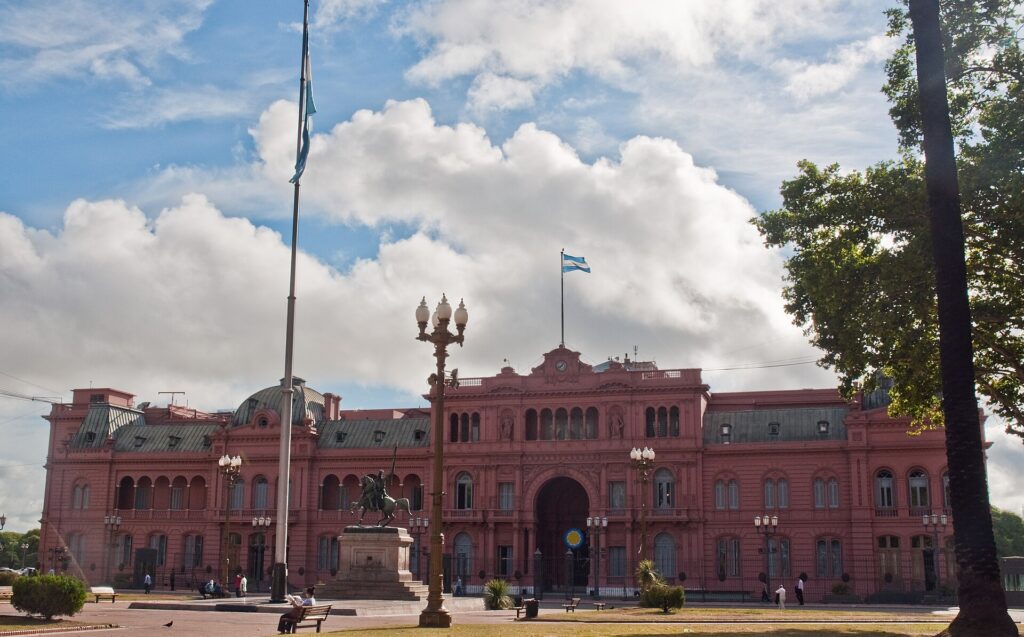
A Labor Dispute, Not a Drought
It would be easy to assume the Paraná is blocked by low water, as it was during severe droughts earlier this decade. This time the cause is human: a work stoppage by the specialists who guide ships through the river’s shifting channels.
River pilots, known in Spanish as prácticos, and local channel guides called baqueanos, stopped accepting assignments in protest at a new government decree. Without them, large ocean-going vessels cannot safely navigate the narrow, sediment-heavy waterway, so traffic simply halts.
The result is a lock-out-style paralysis that spread across ports from the far south to the Paraná-Paraguay waterway, the spine of Argentina’s export economy. By early August, around 140 ships were waiting to move.
What Decree 690/2026 Changes
The trigger is Decree 690/2026, signed by President Javier Milei and his deregulation minister, Federico Sturzenegger, and published on 31 July 2026. It rewrites rules governing pilotage that had been in place since 1991.
The decree opens the register of licensed pilots without a fixed numerical cap, sets maximum tariffs for their services, and allows captains of foreign ships who know the zone to navigate in some cases without hiring a local pilot. The government casts these as removing barriers to entry, boosting competition and cutting shipping costs.
To the pilots, the same measures look like a threat to safety, livelihoods and the orderly management of a difficult river. Their associations argue that deregulating a highly technical, safety-critical service endangers navigation, the environment and Argentine control of its waterways, and they have signaled legal challenges.
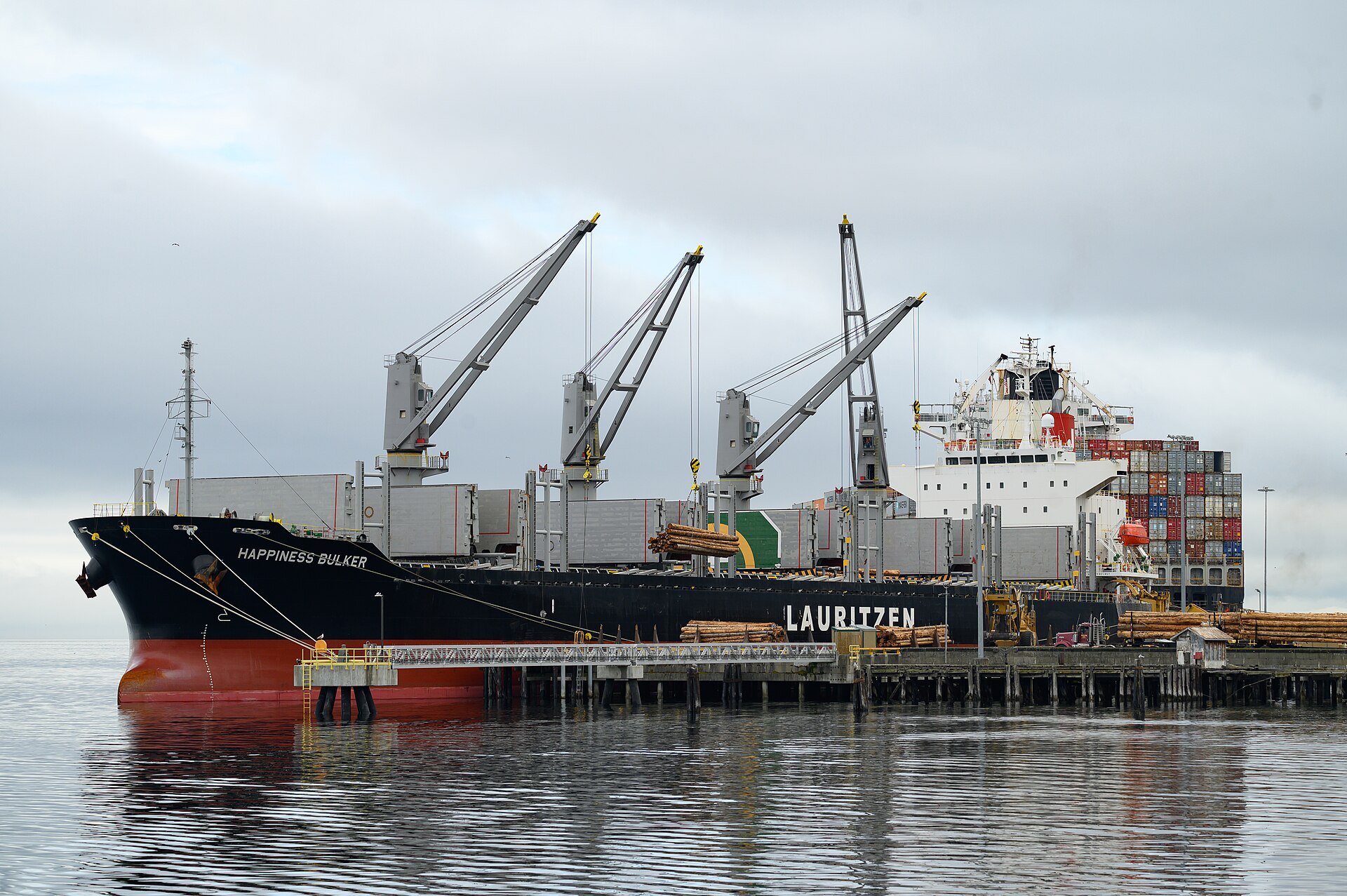
Why the Paraná Corridor Matters
The Paraná is not a scenic afterthought; it is Argentina’s main artery for selling grain to the world. The cluster of terminals around Greater Rosario, including San Lorenzo and Timbúes, handles a large majority of the country’s agricultural exports.
By various estimates, roughly 80% of Argentina’s foreign trade passes through these ports. Soybeans, soymeal, corn and their by-products load here for buyers across Asia, Europe and the Americas, making the corridor central to the country’s hard-currency earnings.
A stoppage therefore reverberates quickly. Grain shipments freeze, fuel deliveries are disrupted, and cargoes bound for other destinations, including supplies linked to the Vaca Muerta energy hub, back up while ships sit idle and demurrage costs mount.
The Standoff and the Government’s Response
With ports paralyzed, the coast guard, Prefectura Naval Argentina, began issuing individual back-to-work notices to pilots. It argued that pilotage is a public service regulated by the Navigation Law and that halting it could expose participants to criminal complaints and administrative penalties.
The pilots’ organizations pushed back, framing their action as a lawful response to a decree they consider dangerous and imposed without consultation. Some announced plans to file legal appeals and complaints against the officials who signed the measure.
Negotiations opened even as the stoppage continued, leaving shippers and exporters watching for either a suspension of the decree, a court intervention or a negotiated return to work. As of early August, the vessels remained stuck.
The Economic Stakes
The timing is delicate. Argentina depends on grain-export earnings to support its currency and reserves, and any prolonged interruption to the Rosario corridor can ripple into exchange-rate pressure and the government’s fiscal accounts.
For exporters, each idle day means storage bottlenecks upriver, missed loading windows and penalty costs on chartered ships. For international buyers, it raises the prospect of delayed cargoes from one of the world’s top suppliers of soymeal and soyoil.
The dispute also lands amid a broader push by Milei and Sturzenegger to deregulate large parts of the Argentine economy. The Paraná shutdown has become an early test of how far that agenda can go when it collides with an organized, safety-critical profession.
What to Watch
The near-term question is whether the government suspends or softens Decree 690/2026, or whether the courts step in, either of which could quickly reopen the river. A hard-line stance on both sides risks a longer paralysis.
The medium-term question is precedent. If deregulation proceeds over the pilots’ objections, other regulated guilds may weigh similar confrontations; if the government retreats, it could slow its wider reform drive.
For now, the essential facts are stark and verified: a pilots’ strike against a 31 July decree has stranded more than 140 ships since early August and stalled the export corridor that underpins Argentina’s trade. How fast it clears depends on decisions still being negotiated.
Frequently Asked Questions
Why are ships stuck on Argentina’s Paraná River?
Because of a strike by river pilots (prácticos and baqueanos), not drought. They stopped work to protest Decree 690/2026, which deregulates their profession, and without them large ships cannot safely navigate the river, leaving about 140 vessels stranded since early August 2026.
What does Decree 690/2026 do?
Signed by President Javier Milei and Minister Federico Sturzenegger and published on 31 July 2026, it opens the pilots’ register without a numerical cap, sets maximum tariffs and lets some foreign captains navigate without a local pilot, replacing rules in place since 1991.
How big is the impact on Argentina’s exports?
Large. The Greater Rosario port cluster handles roughly 80% of Argentina’s foreign trade, so the stoppage has paralyzed grain and fuel shipments through the country’s main export corridor, with economic costs mounting each day.
Sources
MercoPress · Buenos Aires Herald · Infobae · Rosario3 · Minuto Uno
Connected Coverage
The port shutdown is one front in the Milei government’s sweeping deregulation drive led by Federico Sturzenegger.
Inside Milei’s Government: the 2027 Ticket and the Villarruel Rift
Sources: MercoPress; Buenos Aires Herald; Infobae; Rosario3; Minuto Uno.
This article was produced by The Rio Times’ automated newsroom system. How we use AI · Report an error
Read More from The Rio Times