Argentina Energy Financing Plan Heads To New York Unsigned
ARGENTINA · BUSINESS
Key Facts
- —What is planned A bilateral forum at Argentina’s New York consulate on Wednesday, with a ceremonial signing.
- —The US lender The Export-Import Bank of the United States, known as EXIM, is the named institution.
- —The disputed size Argentina energy financing reports range from about US$6 billion to up to US$7 billion.
- —The catch No government has published a final text, and no drawdown schedule exists.
- —Who is there Foreign Minister Pablo Quirno and US Deputy Secretary of State Christopher Landau.
- —What it is not This is export credit for equipment buyers, not a Treasury currency swap.
A US-backed plan for Argentine gas and minerals is due to be unveiled in New York — but the size is disputed and nothing is signed.
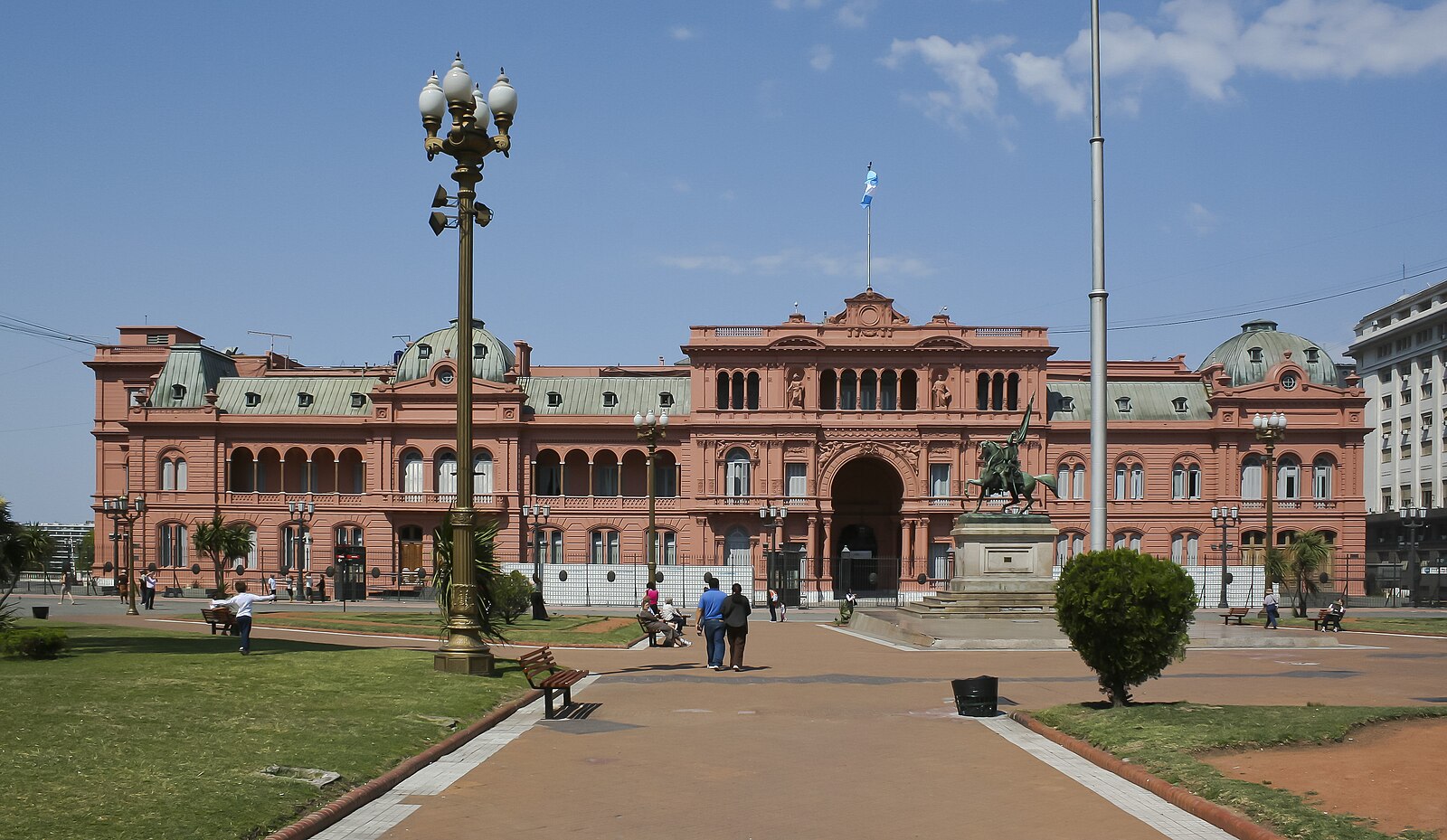
Argentina energy financing backed by the United States is due to be unveiled in New York on Wednesday evening. Nothing has been signed, and reported figures for the package range from US$6 billion to US$7 billion.
What is actually happening in New York
Argentina and the United States were due to hold a bilateral forum on Wednesday, 23 September 2026. It was set for the Argentine consulate in New York, during United Nations General Assembly week.
Foreign Minister Pablo Quirno was to lead for Argentina, with US Deputy Secretary of State Christopher Landau for the American side. YPF president and chief executive Horacio Marín was also listed, alongside EXIM chief commercial officer Sarah Whitten.
El Cronista reported that the event would include speeches, a ceremonial signing and a closed-door roundtable. Quirno told the paper the financing details would be announced at the event itself.
As of Wednesday morning, neither government had published an agreement text. Nothing had been signed in public.
Argentina energy financing: two figures, one gap
Reuters reported on 22 September that EXIM plans to fund up to US$7 billion of Argentine minerals and energy projects. Its reporters cited a document they had seen.
That Reuters figure covers the next two years. Argentine outlets including Infobae and Ámbito instead put about US$6 billion on the Argentina LNG gas export project.
La Nación and A24 described US$7 billion for 2027, with roughly US$6 billion of it in credit for YPF. That would make the smaller number part of the larger one.
No government document sets out that split. The gap between US$6 billion and US$7 billion is unresolved, and both figures come from reporting.
Which American institution is involved
EXIM is the export credit agency of the United States. It helps foreign buyers purchase American equipment through loans, guarantees and insurance.
Quirno also pointed to the US International Development Finance Corporation, known as the DFC, and to private American banks. He said the banks in the project were not part of Wednesday’s announcement.
This is not a Treasury swap line or a central bank rescue. Export credit supports purchases of goods, and does not hand cash to the Argentine state.
The trade outlet Shale24 reported that EXIM reopened medium-term cover for Argentina from 3 February 2026. That change to its country limitation schedule made the current plan possible.
Caputo’s New York week, and who he met
Economy Minister Luis Caputo arrived in New York before President Javier Milei. On Monday, 21 September 2026, he addressed investors at JP Morgan’s New York offices behind closed doors.
El Cronista and BAE Negocios reported that he set out the economic plan for 2026 and 2027. The bank arranged the meetings, and the names of the funds were not disclosed.
On Wednesday, Caputo joined Milei’s meeting with US Secretary of State Marco Rubio in New York. Rubio wrote on X that the bilateral relationship was solid.
Caputo separately met World Bank regional vice president Susana Cordeiro Guerra on 16 September in Buenos Aires. That is a different financing track, unrelated to the US package.
What JPMorgan actually said about investment grade
The investment-grade forecast is not a research note. It came from Facundo Gómez Minujín, JPMorgan’s chief executive for Argentina, Uruguay, Paraguay and Bolivia.
He told Bloomberg Línea, in an interview published on 23 September 2026, that Argentina would reach investment grade if Milei won again. He was giving a view, not issuing a rating.
His conditions were explicit. They include re-election in October 2027, continuity of the economic programme through the next term, lower inflation and more reserves.
Credit ratings are set by rating agencies, not by banks. Argentina’s country risk stood at 555 basis points on Wednesday morning, on JP Morgan’s index.
Why this matters for expats and investors
For readers living in Argentina or holding Argentine assets, Argentina energy financing is about project spending. It is not about the peso, and it is not a currency rescue.
If the money flows, it supports work in Vaca Muerta shale, lithium and copper. Reuters named Rio Tinto, BHP, Chevron, Eni and YPF among the companies in scope.
The effect on daily costs is indirect and slow. More gas exports could, over several years, improve the trade balance and the supply of dollars.
Nothing here changes credit ratings today. Country risk has been climbing, which shows how cautious investors remain before the 2027 election.
What is still not known
The final text is not public. The split between EXIM, the DFC and private banks, the first borrowers and any drawdown schedule are all undisclosed.
It is also not known whether Wednesday’s event produces binding loan documents or a statement of intent. Neither government confirmed the size before the forum.
The next real test is documentation, meaning signed loan agreements with named borrowers and amounts. Until then, the calm reading is a strong political signal with the numbers still to be settled.
Frequently Asked Questions
Has the Argentina energy financing package been signed?
No. As of Wednesday morning, neither government had published an agreement text. A ceremonial signing was scheduled in New York for that evening.
Is this a US Treasury swap line?
No. The named institution is EXIM, the US export credit agency. It offers loans, guarantees and insurance for equipment purchases, not currency support.
Why do reports say US$6 billion and also US$7 billion?
Reuters cited a document showing up to US$7 billion over two years. Argentine outlets put about US$6 billion on Argentina LNG. No official text resolves the gap.
Connected Coverage
Sources: Reuters (Ernest Scheyder and Lucinda Elliott), 22 September 2026; Infobae, La Nación, El Cronista, Ámbito and A24, 22–23 September 2026; Bloomberg Línea interview with JPMorgan’s Facundo Gómez Minujín, 23 September 2026; EXIM leadership page; Rava Bursátil country risk data.
This article was produced by The Rio Times’ automated newsroom system. How we use AI · Report an error
In depth
Read More from The Rio Times