Argentina’s IMF Programme Explained: The US$20 Billion Loan, Reserves and What Comes Next
GUIDES · ARGENTINA
Key Facts
- —The country Argentina, South America’s second-largest economy and the International Monetary Fund’s biggest borrower. It owed the Fund SDR 42.6 billion, about US$58 billion, on 31 August 2026.
- —What it is A 48-month Extended Fund Facility of US$20 billion, approved on 11 April 2025 and running to April 2029. It is Argentina’s 23rd IMF programme since 1958.
- —The numbers About US$15.8 billion paid out after two reviews. Gross central bank reserves stood at US$48.8 billion on 24 September 2026, against US$24.7 billion the day the loan was approved.
- —Why it matters The loan anchors President Javier Milei’s stabilisation plan, the floating peso band and Argentina’s access to market financing. A failed review would hit the peso and Argentine assets.
- —The catch Argentina has missed its reserve target twice and needed waivers both times. Principal repayments on the 2022 loan began on 25 September 2026, and the bill climbs steeply in 2027 and 2028.
- —What to watch The third review, opened on 21 September 2026; the end-2026 reserve target; monthly inflation data; and a presidential election in 2027.
The Argentina IMF programme explained in plain English: the US$20 billion loan, its conditions, the reviews so far and the repayment bill ahead.
Argentina owes the International Monetary Fund more than any other country does. Whether the programme holds decides how far the peso can be trusted. It also decides whether investors, exporters and anyone paid in pesos can plan ahead.
How Argentina became the Fund’s biggest borrower
Argentina joined the IMF in September 1956 and took its first loan in 1958. The current arrangement is its 23rd programme with the Fund since then. The relationship is a political issue in its own right in Buenos Aires.
The modern story starts with the 2001 collapse. Argentina’s fixed one-to-one link between peso and dollar broke, and the government defaulted on its bonds. In 2006, under President Néstor Kirchner, Argentina paid off its IMF debt early, about US$9.8 billion, to be rid of the Fund’s conditions.
It came back in 2018. President Mauricio Macri signed a stand-by arrangement that grew to a record of about US$57 billion. Roughly US$44 billion was paid out before his successor, Alberto Fernández, declined the rest. The Fund itself later acknowledged that the 2018 programme had failed to meet its objectives.
In March 2022 the Fernández government signed an Extended Fund Facility of SDR 31.9 billion, about US$44 billion at the time. Its main job was to refinance the 2018 loan rather than bring in new money. By the time it ended in 2024, Argentina had drawn SDR 31.1 billion.
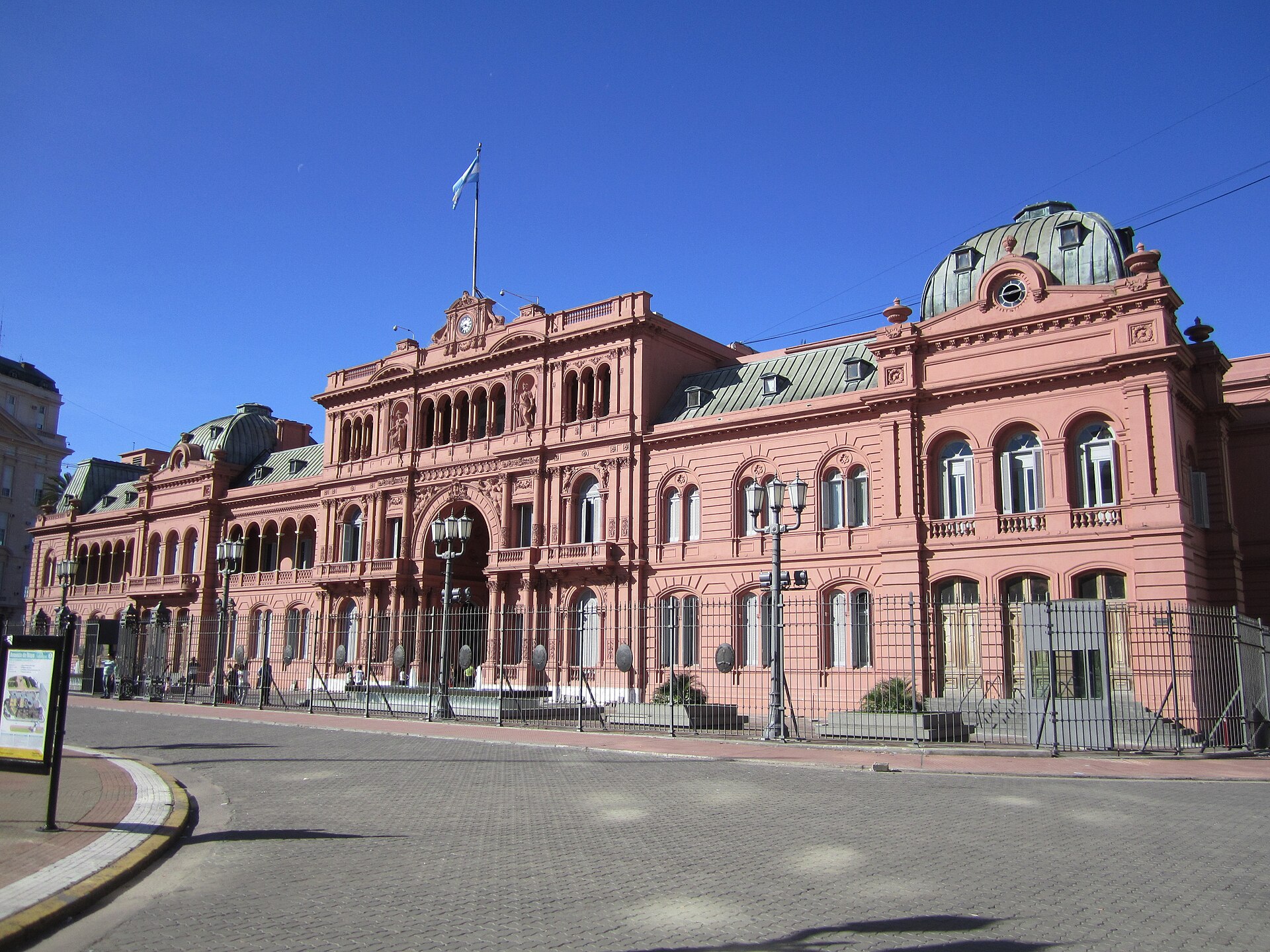
The SDR, or special drawing right, is the Fund’s own unit of account, built from five major currencies. In late September 2026 one SDR was worth about US$1.36, according to the IMF. Because the Fund lends in SDR, the dollar value of Argentina’s debt moves with exchange rates even when nothing is borrowed or repaid.
What the 2025 programme is and how it works
The IMF Executive Board approved the current loan on 11 April 2025. It is a 48-month Extended Fund Facility, the Fund’s instrument for countries with deep balance-of-payments problems that need structural reform. Its size is SDR 15.267 billion, presented as US$20 billion and equal to 479 percent of Argentina’s quota at the Fund.
The money was unusually front-loaded. US$12 billion arrived up front, with about US$2 billion due at the first review. The Treasury used the funds to buy back non-transferable IOUs, known as Letras Intransferibles, that it had given the central bank. In effect, IMF dollars replaced government paper on the central bank’s balance sheet.
In return, Argentina dismantled most of its currency controls, known locally as the cepo. From 14 April 2025, individuals could again buy dollars for savings without central bank permission. The peso was allowed to float inside a band of 1,000 to 1,400 pesos per dollar. The floor and ceiling moved apart by 1 percent a month.
The band was later loosened. Since January 2026 its edges have moved with realised inflation, applied with a two-month lag, according to the IMF. The ceiling stood at 1,919.63 pesos per dollar at the end of September 2026, and rises to 1,951.50 at the end of October.
The programme sets two kinds of hard targets. The first is fiscal: a surplus before interest payments, called a primary surplus. The second is net international reserves, the central bank’s usable foreign currency after short-term debts. Hitting both unlocks each new instalment of money.
The reviews so far: money released, targets missed
Every six months or so, IMF staff check the targets and the Executive Board votes on a review. A missed target does not end a programme. The government can ask for a waiver, and the board can grant it if it judges the overall policy still on track.
The first review was completed on 31 July 2025 and released about US$2 billion. It already required a waiver for a missed performance criterion and a rephasing of the money still to come.
The second half of 2025 was harder. Ahead of the midterm elections on 26 October 2025, Argentines bought dollars heavily and the peso came under strong pressure. On 20 October the United States Treasury signed a US$20 billion currency swap with Argentina’s central bank. The IMF says US$2.5 billion of it was used and repaid in December 2025.
The IMF board completed the second review on 21 May 2026 and released about US$1 billion, or SDR 0.8 billion. That brought total disbursements to SDR 11.452 billion, about US$15.8 billion. The staff report records that net reserves ended 2025 about US$10 billion below their floor. It blamed a surge in dollarisation before the elections.
The board granted a second waiver and lowered the targets. Net reserves must now rise by at least US$8 billion during 2026. Managing Director Kristalina Georgieva said the authorities had “continued to make strong progress in stabilizing and creating a more market-based economy”.
The fiscal story is the opposite. Argentina posted a primary surplus of 1.4 percent of output in 2025, above the 1.3 percent target, according to the IMF. The 2026 goal is also about 1.4 percent. The 2025 goal itself was modest: at the first review the Fund had projected 1.6 percent, and revenue fell short of that.
The numbers that matter: reserves, inflation and growth
Gross reserves at the central bank were US$48.8 billion on 24 September 2026, according to its own daily data. They were US$23.1 billion at the end of 2023, when Milei took office, and US$41.1 billion at the end of 2025. The central bank bought about US$14.3 billion in the currency market in 2026 up to 25 September, local press reported.
Gross reserves flatter the position. They include a yuan swap line with China’s central bank and dollars that Argentine banks must hold against their customers’ deposits. Net reserves strip those out, and they are far lower. The central bank does not publish a daily figure on the IMF’s definition, so estimates come from private analysts.
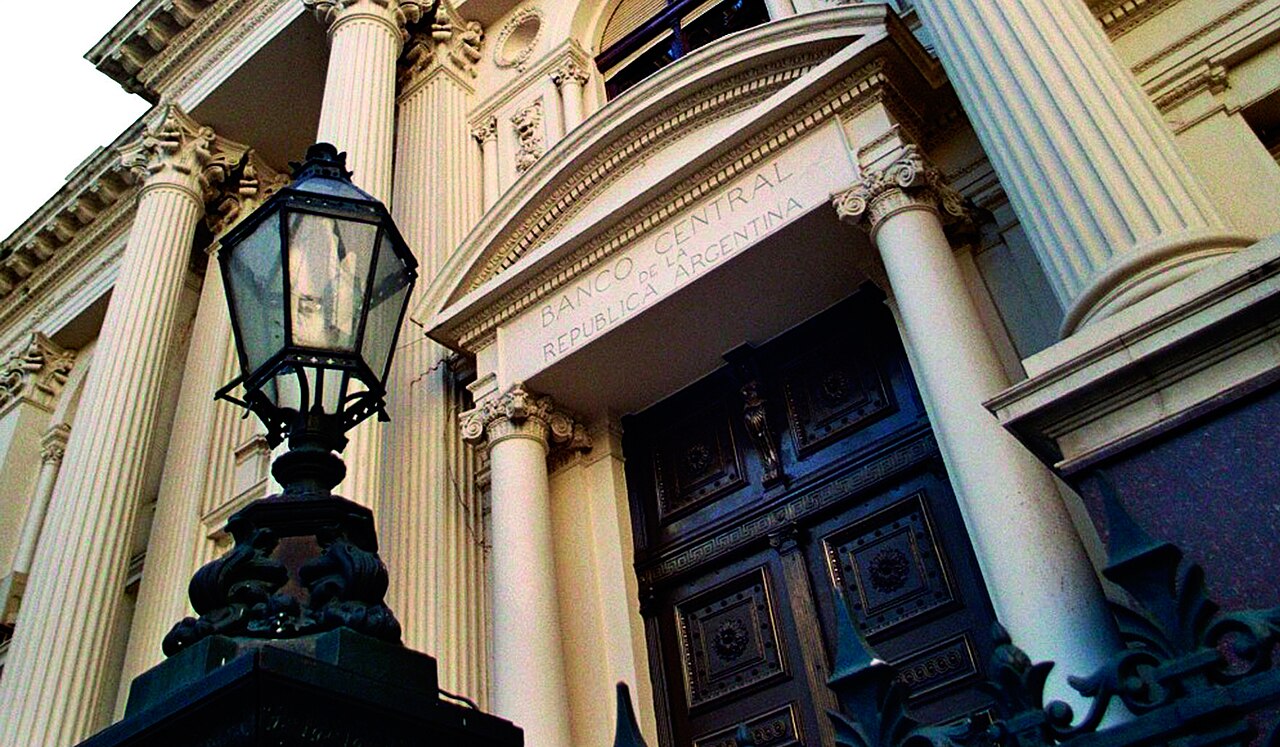
Inflation is where the programme has changed daily life most. Annual consumer inflation was 211.4 percent in December 2023 and 117.8 percent in December 2024. It fell to 31.5 percent in December 2025, according to the national statistics office INDEC. Monthly inflation, 25.5 percent in December 2023, was 1.7 percent in August 2026.
Progress has stalled, though. Annual inflation was 33.5 percent in August 2026, slightly higher than at the end of 2025. Monthly readings between 1.7 and 3.4 percent this year are low by Argentine standards but high by any other. The IMF expects growth of 3.5 percent in 2026, after 4.4 percent in 2025.
In dollar terms, the peso traded at 1,524 per US dollar on 25 September 2026, the central bank’s wholesale reference rate. That was about a fifth below the band’s ceiling. The central bank was therefore under no obligation to sell dollars to defend the peso.
Paying the Fund back: the repayment wall
Argentina’s total debt to the Fund was SDR 42.552 billion on 31 August 2026, about US$58 billion. That is 1,335 percent of its quota, the share of the Fund’s capital it contributes. SDR 31.1 billion of it is the 2022 loan, which itself refinanced the 2018 borrowing. The rest is the 2025 loan.
Extended Fund Facility loans are repaid in twelve equal half-yearly instalments, starting four and a half years after each disbursement. For the 2022 loan, that clock ran out in September 2026. On 25 September Argentina paid about US$793 million of principal, SDR 583.3 million, the first capital repayment of that loan.
The IMF’s own schedule, dated 31 August, showed SDR 1.47 billion, about US$2.0 billion, due in principal and charges for the last four months of 2026, including the September payment. Argentine reports put about US$865 million still due in November and about US$340 million in December. Then the bill rises sharply.
Payments to the Fund are projected at SDR 5.69 billion in 2027, about US$7.7 billion, and SDR 7.04 billion in 2028, about US$9.6 billion. Those sums exceed the money still to come from the current programme, which is SDR 3.8 billion, about US$5.2 billion. From 2027, Argentina pays the Fund more than it receives.
That is why market access matters so much. The IMF’s May 2026 report counts on dollar-denominated domestic bonds, bank repurchase loans and commercial loans backed by development banks to cover 2026. The Fund’s projections assume Argentina can refinance private debt and pay the IMF out of reserves it has built itself.
Winners, losers and the critics
The clearest winners are holders of Argentine bonds and companies that need dollars to import or to pay dividends abroad. Easier access to the currency market has let firms plan again.
The costs fall elsewhere. The primary surplus rests mainly on spending restraint, including cuts to subsidies. The Fund’s May 2026 report asks for more of the same, with subsidies rationalised further and an overall budget balance kept at zero.
Critics come from several directions. About US$11 billion of the new loan in effect covers repayments of older IMF debt, according to the Atlantic Council. The IMF’s own report notes the peso strengthened about 13 percent in real terms after the end of 2025. That helps inflation but makes reserve building harder. In February 2026 the top Democrat on a US Senate committee asked the Treasury to end its swap line, Reuters reported.
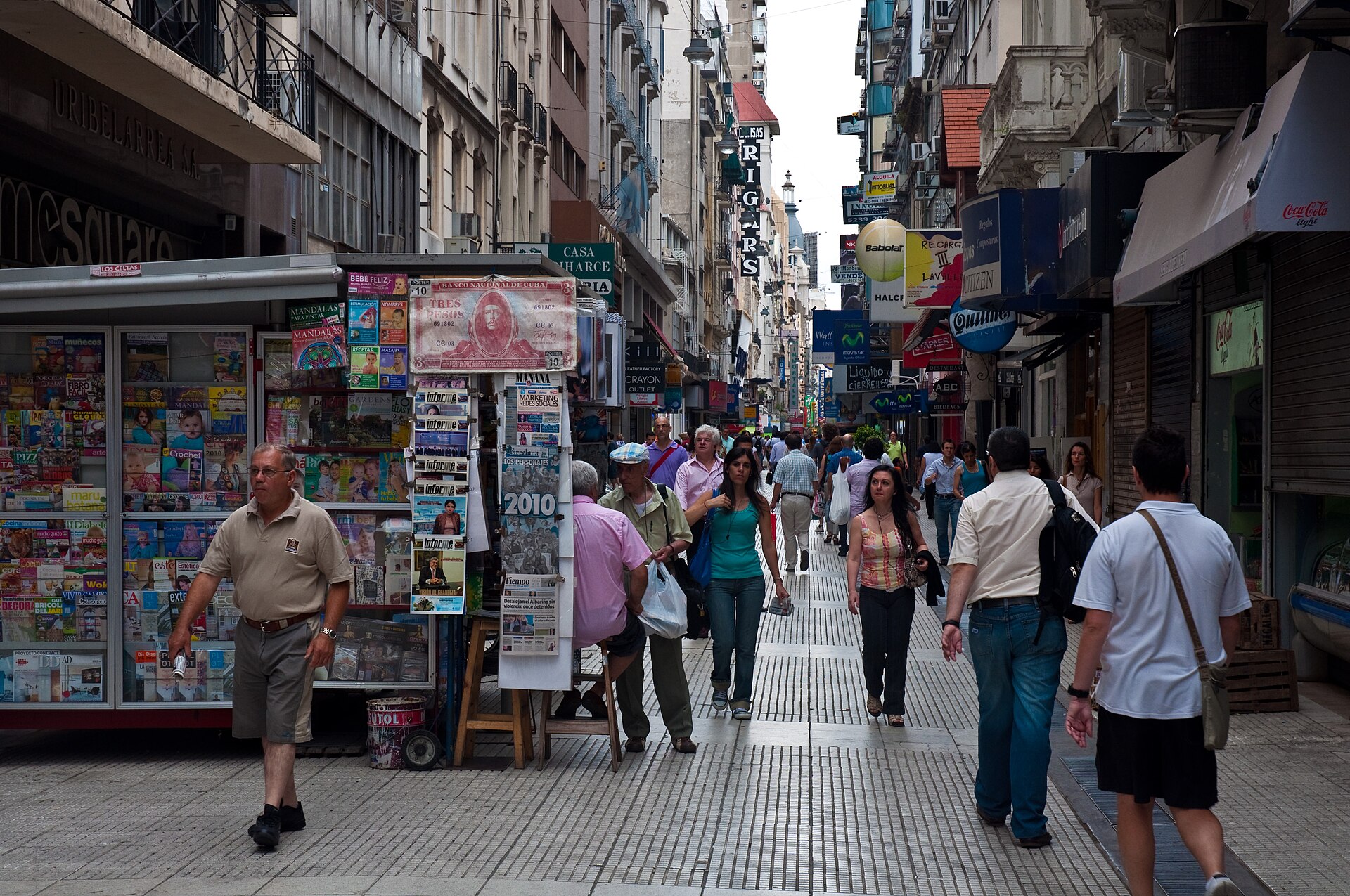
Supporters answer with the inflation numbers and the fiscal surplus. Argentina balanced its budget and brought inflation down from the triple digits without a new default. The Fund’s view, repeated at each review, is that the direction is right but reserves must rise faster.
What is happening right now
As of 27 September 2026, an IMF staff mission is in Buenos Aires for the third review. It began work on 21 September, led by Joyce Wong, the Fund’s new mission chief for Argentina. Fund spokesperson Julie Kozack had announced the timing at a Washington briefing on 10 September.
The team is examining the fiscal accounts and reserve accumulation up to mid-2026. Argentine press reports say the primary surplus reached 0.6 percent of output in the first half, slightly below an interim goal of 0.7 percent. On reserves, the picture looks better. An estimate by the Argentine research centre CEPA suggests the lowered mid-2026 reserve goal was met, so any new waiver may concern the fiscal target instead. Private estimates put this year’s net reserve gain at around US$9 billion, which would beat the US$8 billion full-year target.
A staff-level agreement had not been announced by 27 September. If one is reached and the board approves it, Argentine reports put the next instalment at about US$865 million. The central bank’s dollar purchases have also slowed. They averaged about US$13 million a day in September, against about US$103 million in July, according to its own data.
What to watch
The end of the mission. The IMF normally publishes a staff statement when a team leaves. Watch whether it announces a staff-level agreement and whether the government requests another waiver, this time possibly on the fiscal target.
The board vote. Only the Executive Board can release money. The second review took five weeks from staff agreement to board approval, so a similar gap would put a vote in the fourth quarter.
Monthly inflation. INDEC publishes the September consumer price index in mid-October. The figure also sets how far the peso band widens two months later.
The end-2026 reserve target. Net reserves must rise at least US$8 billion across 2026. Payments to the Fund in November and December will drain reserves unless the central bank keeps buying dollars.
The 2027 election. The IMF’s May report warned that political uncertainty before the 2027 presidential election could lead to capital outflows. On the programme’s half-yearly rhythm, the next review after this one falls in early 2027, the year payments to the Fund jump.
What this means for foreigners and investors
For visitors and residents, the programme is why cash dollars and foreign cards now buy roughly the same number of pesos. The gap between the official and informal dollar is down to a few percent. Carrying cash to change on the street offers little advantage.
For investors, each IMF review is a scheduled test of Argentine risk. A clean review tends to support bonds and the peso. A delayed one, or a third waiver on reserves, would revive doubts about the 2027 repayment wall. Anyone holding peso assets should track the reserve numbers more than the fiscal ones.
Connected Coverage
Argentina Starts Repaying Its 2022 IMF Loan With US$793 Million
Argentina IMF Review Begins Under New Mission Chief as Milei Flies to the UN
IMF Approves $1B Argentina Disbursement in Second Review
Argentina Explained: Milei’s Experiment, the Economy and What to Watch
Who Is Javier Milei? Argentina’s President Explained: Chainsaw Economics, Cabinet and What to Watch
Sources: Programme terms, reviews, waivers and repayment schedules from the International Monetary Fund’s press releases, staff reports and financial data; reserves, the exchange rate and inflation from the Banco Central de la República Argentina and INDEC; current mission details from Argentine press. All accessed 27 September 2026.
- IMF — Press Release 25/101, board approves the 48-month US$20 billion Extended Arrangement
- IMF — Country Report 25/95, request for an Extended Arrangement (April 2025)
- IMF — Press Release 25/272, first review completed
- IMF — Press Release 26/165, second review and 2026 Article IV
- IMF — 2026 Article IV and second review staff report
- IMF — Argentina: financial position in the Fund and projected payments, 31 August 2026
- IMF — SDR valuation
- Banco Central de la República Argentina — reserves, exchange rate and INDEC inflation series
- Banco Central de la República Argentina — Communication A 8226, 11 April 2025
- Infobae — peso band ceilings for September and October 2026
- Diario Río Negro — the third review, the mission chief and the September payment
- BAE Negocios — the US$793 million payment and the rest of 2026
- iProfesional — central bank purchases in 2026
- Peterson Institute for International Economics — the 2025 programme and the peso band
- Buenos Aires Times — Argentina and the IMF, a long history
What Is Not Known
The true level of net reserves. The central bank publishes gross reserves every day, but the IMF’s net definition is only confirmed in staff reports months later. Private estimates differ by billions of dollars depending on how swap lines and bank deposits are treated.
Whether the third review needs another waiver. Neither the Fund nor the government had said by 27 September whether the mid-2026 targets were met. Private estimates suggest the reserve goal was met and the fiscal one narrowly missed, but the official figures are not public.
How Argentina meets the 2027 and 2028 payments. The IMF’s projections assume steady access to bond markets. That depends on inflation, reserves and the outcome of the 2027 election, none of which can be known today.
Whether the Fund would refinance again. Argentina has rolled IMF debt into new programmes before, in 2022 and 2025. Whether the Fund’s shareholders would accept a further rollover after 2029 has not been discussed publicly.
More: Argentina news in English, every day from The Rio Times.
Frequently Asked Questions
How much has the IMF lent Argentina in 2025 and 2026?
The current Extended Fund Facility is worth SDR 15.267 billion, presented as US$20 billion. About US$15.8 billion has been paid out: US$12 billion up front in April 2025, about US$2 billion after the first review and about US$1 billion after the second in May 2026.
How much does Argentina owe the IMF in total?
SDR 42.552 billion on 31 August 2026, about US$58 billion, according to the IMF. That is 1,335 percent of Argentina’s quota and makes it the Fund’s largest borrower. Most of it is the 2022 loan, which refinanced the 2018 borrowing.
Did Argentina meet its IMF targets?
It met the fiscal targets but missed the reserve targets. Argentina posted a primary surplus of 1.4 percent of output in 2025, above the 1.3 percent goal. Net reserves ended 2025 about US$10 billion below their floor, and the IMF board granted a waiver in May 2026.
When does Argentina start repaying the IMF?
Principal repayments on the 2022 loan began on 25 September 2026, when Argentina paid about US$793 million. Payments to the Fund are projected at about US$7.7 billion in 2027 and about US$9.6 billion in 2028.
What is the IMF third review of Argentina?
It is the third scheduled check of the 2025 programme. An IMF team led by mission chief Joyce Wong began work in Buenos Aires on 21 September 2026. If staff and then the Executive Board approve it, Argentine reports put the next payment at about US$865 million.
This article was produced by The Rio Times’ automated newsroom system. How we use AI · Report an error
In depth
Read More from The Rio Times