Algeria Cuts Ties With the UAE, Giving Envoy 48 Hours
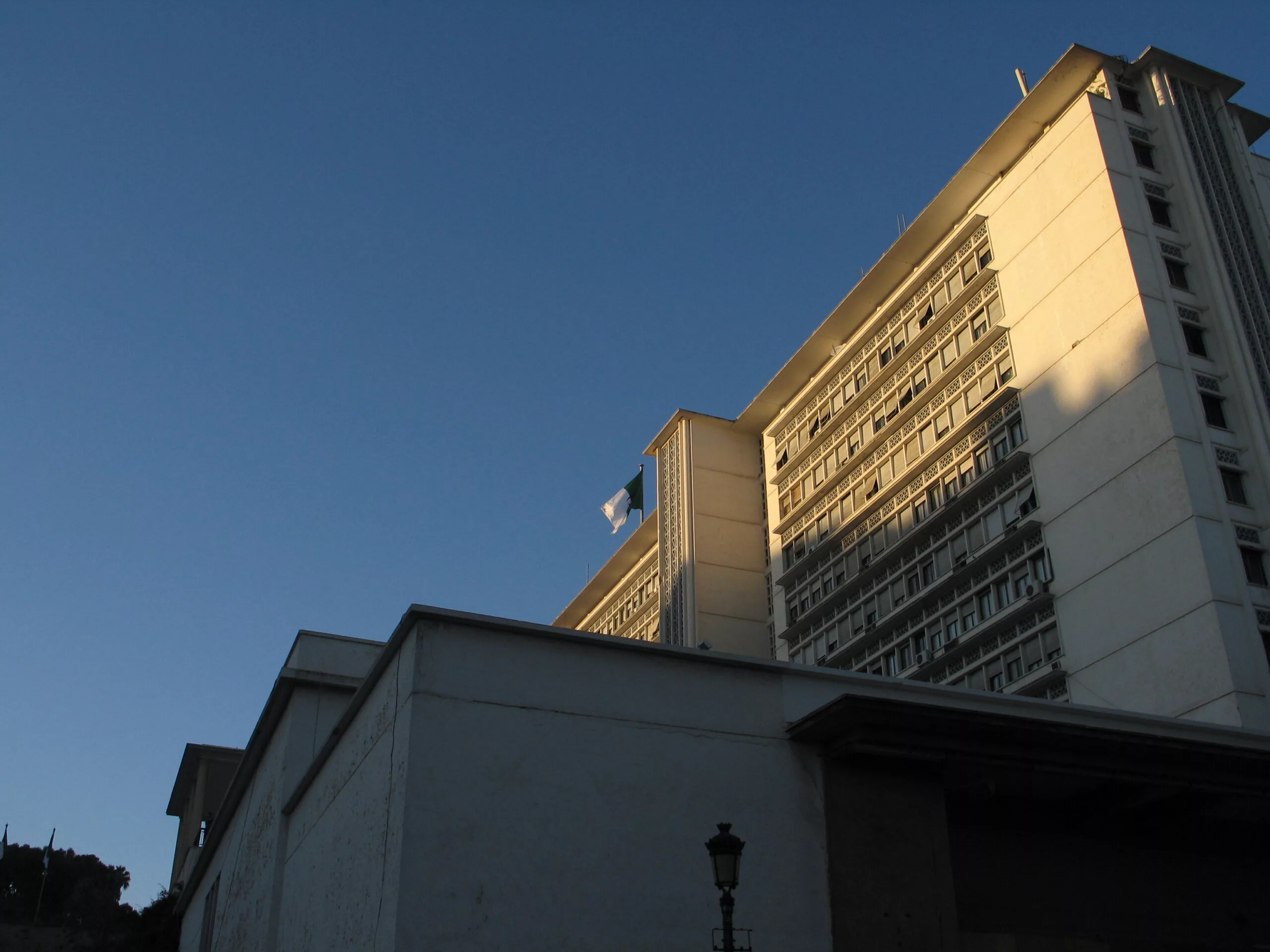
Algeria latest: Algeria news — latest coverage · Algeria Explained: Gas, Politics, the Economy and What to Watch
Key Facts
- —What happened Algeria severed diplomatic relations with the United Arab Emirates on 10 September 2026 after years of rising political and geoeconomic tension.
- —The trigger Algeria accused Abu Dhabi of increasingly provocative and hostile actions without detailing specific incidents.
- —The deadline The UAE ambassador in Algiers was given 48 hours to leave the country.
- —The backdrop Algeria had already begun terminating the 2013 bilateral air services agreement with the UAE in February 2026.
- —What comes next The break disrupts ties between two major hydrocarbon exporters and deepens Algeria’s push for strategic autonomy from Gulf influence.
Algeria severs relations with the United Arab Emirates on 10 September 2026, giving the Emirati ambassador 48 hours to leave after years of clashing regional strategies and accusations of interference.
Algeria has cut diplomatic ties with the United Arab Emirates, capping at least two years of escalating political and geoeconomic tension between the two hydrocarbon powers. The Foreign Ministry announced the rupture on 10 September 2026, saying it had exhausted all avenues to preserve the relationship.
A rupture announced on state television
Algerian state television broke the news before the written statement was circulated. The ministry accused Abu Dhabi of increasingly provocative and hostile actions, without detailing specific incidents.
The UAE ambassador in Algiers was summoned and officially notified of the decision. He was given 48 hours to leave the country.
The announcement formalised a rift that had been building in public for more than a year. President Abdelmadjid Tebboune signalled the strain in 2025 when he said relations were brotherly with Gulf states except for one, which he accused of seeking to destabilise Algeria.
Abu Dhabi’s response: keep it temporary
The UAE Ministry of Foreign Affairs responded within hours on 10 September with a conciliatory statement, saying it reaffirmed the importance it attaches to relations with all countries and expressing hope that Algeria’s decision “will be temporary, in a manner that preserves the fraternal ties between the two brotherly peoples.”
The ministry added its appreciation for the Algerian people, highlighting the Algerian community residing in the UAE. Anwar Gargash, diplomatic adviser to the UAE president, separately wrote that diplomacy should be handled with “rationality, communication and clarity of interests”, without naming Algeria.
The measured tone suggests Abu Dhabi is not seeking escalation. No retaliatory diplomatic move had been announced as of 12 September 2026.
The long slide toward a diplomatic break
The rupture did not come out of nowhere. In February 2026, Algeria began procedures to terminate the 2013 bilateral air services agreement with the UAE.
Algiers formally notified Abu Dhabi and the International Civil Aviation Organization of that step. The move was an early warning that economic and administrative ties were being unwound.
Algerian and regional media through 2025 and 2026 repeatedly accused the UAE of interfering in Algeria’s internal affairs. Reports pointed to alleged support for the Kabyle separatist Movement for the Autonomy of Kabylia, known as MAK, and to Emirati funding networks across Libya, the Sahel, Mali and Sudan.
Western Sahara and the great-power contest
The deeper conflict is about regional order. Algeria opposes the UAE’s normalisation with Israel and its stance on Western Sahara.
Algiers views Abu Dhabi’s 2020 consulate in Laayoune and its broader alignment with Morocco as direct challenges to Algeria’s support for Sahrawi self-determination. The two countries back opposite sides of one of North Africa’s longest-running disputes.
This is not simply a bilateral quarrel. It sits inside the wider competition for influence across North and West Africa, where Gulf capital, European interests and local sovereignty claims collide.
For readers tracking that contest, the break fits the pattern covered in Africa: The New Scramble, where regional powers are redrawing alliances and investment maps.
Money, hydrocarbons and strategic autonomy
The diplomatic rupture disrupts a relationship between two major hydrocarbon exporters and investors. The UAE had previously engaged in energy, infrastructure and finance projects in Algeria.
Algiers has progressively curtailed Emirati presence as part of a broader strategy to assert strategic autonomy. The goal is to reduce perceived Gulf leverage over the Algerian economy and security decisions.
No specific financial figure for lost Emirati investment was included in the verified announcements. The break is political first, with economic consequences likely to unfold over time.
Who gains and who loses
Algeria gains a clearer diplomatic line and reinforces its message that it will not tolerate perceived interference. The move also strengthens its credentials with domestic audiences wary of Gulf influence.
The UAE loses a formal channel in a major North African state and faces renewed scrutiny of its regional activism. Morocco may see an opportunity to deepen its own alignment with Abu Dhabi.
For businesses and investors, the rupture raises questions about contracts, aviation links and future Emirati participation in Algerian projects. The termination of the air services agreement already pointed to practical disruption.
What to watch next
The immediate focus is the departure of the UAE ambassador within the 48-hour window. After that, attention will turn to whether Algeria moves against remaining economic agreements or Emirati-linked assets.
Regional capitals will be watching for any response from Abu Dhabi and for signals from other Gulf states. The break could also sharpen divisions inside the Arab League and the broader Africa-Middle East diplomatic space.
For now, Algeria has drawn a hard line. The question is whether the rupture stays bilateral or pulls in more players across the Sahel, the Maghreb and the Gulf.
Frequently Asked Questions
Why did Algeria sever diplomatic relations with the UAE?
Algeria said it had exhausted all avenues to preserve the relationship and accused Abu Dhabi of increasingly provocative and hostile actions, without detailing specific incidents.
How long does the UAE ambassador have to leave Algeria?
The UAE ambassador in Algiers was given 48 hours to leave the country after being summoned and officially notified on 10 September 2026.
What were the earlier signs of tension between Algeria and the UAE?
In February 2026, Algeria began procedures to terminate the 2013 bilateral air services agreement, and President Tebboune had publicly signalled a rift with one unnamed Gulf state in 2025.
Connected Coverage
Sources
- Al Jazeera, 10 September 2026
- UAE Ministry of Foreign Affairs statement, 10 September 2026
- Bloomberg, 10 September 2026
- Al-Monitor, 10 September 2026
- Xinhua, 10 September 2026
This article was produced by The Rio Times’ automated newsroom system. How we use AI · Report an error · Editorial responsibility: Matthias Camenzind, Editor-in-Chief