After Nine Months, Bolsonaro Failed to Meet 20 Percent of 100-Day Goals
RIO DE JANEIRO, BRAZIL – President Jair Bolsonaro has yet to meet 20 percent of the goals he set for the first 100 days of his government. The period ended six months ago, on April 10th.
A survey conducted by UOL shows that, of the 35 goals set for the period, seven have not been met so far. Among them are the modernization of the Athlete Grant program, the Mercosur tariff reduction, and the Central Bank’s independence.

On the other hand, pledges such as the proposal of a “bill to increase efficiency in the fight against organized crime” – the so-called anti-crime package; and assistance for privatizations in the transportation sector – have been fulfilled.
The UOL report took into account the Chief of Staff’s briefing paper for each target, released in January. In the case of targets that rely on congressional approval for implementation, the progress of the bills submitted was used as a criterion.
Among them is the regulation of home education, established as a priority for the Ministry of Women, Family and Human Rights. In April, the government sent a bill to the Chamber of Deputies to address the issue. But the text did not progress: since then, the bill has been awaiting the establishment of a special committee for its examination in the Chamber of Deputies.
Last week, federal deputy Caroline de Toni presented a request for the text to be attached to a bill submitted in 2012 by deputy Lincoln Portela. Unfiled this year, the draft authored by Portela has already passed through the Education Committee. The deputy’s request, however, has been denied.
Were not fulfilled:
Modernization of the Athlete Grant Program
Auction of the surplus oil and gas from concessions
Homeschooling
Mercosur tariff reduction
Strengthening surveillance and increasing vaccination coverage
Federal Executive Branch Anti-Corruption System
Independence of the Central Bank
In progress:
13th month of the Family Allowance
Criteria for Federal Bank Executives
The situation is similar for two other goals that rely on legislative endorsement. A bill dealing with the modernization of the Athlete Grant program was submitted to the Chamber in April. In the same month, it was attached to another text that was already being processed in the Chamber. In May, the bill was sent to the Sports Committee, where it is still at a standstill today.
A bill dealing with the Central Bank’s independence was also sent to Congress, but it failed to progress significantly. In the Senate, the matter has been under discussion for 30 years.
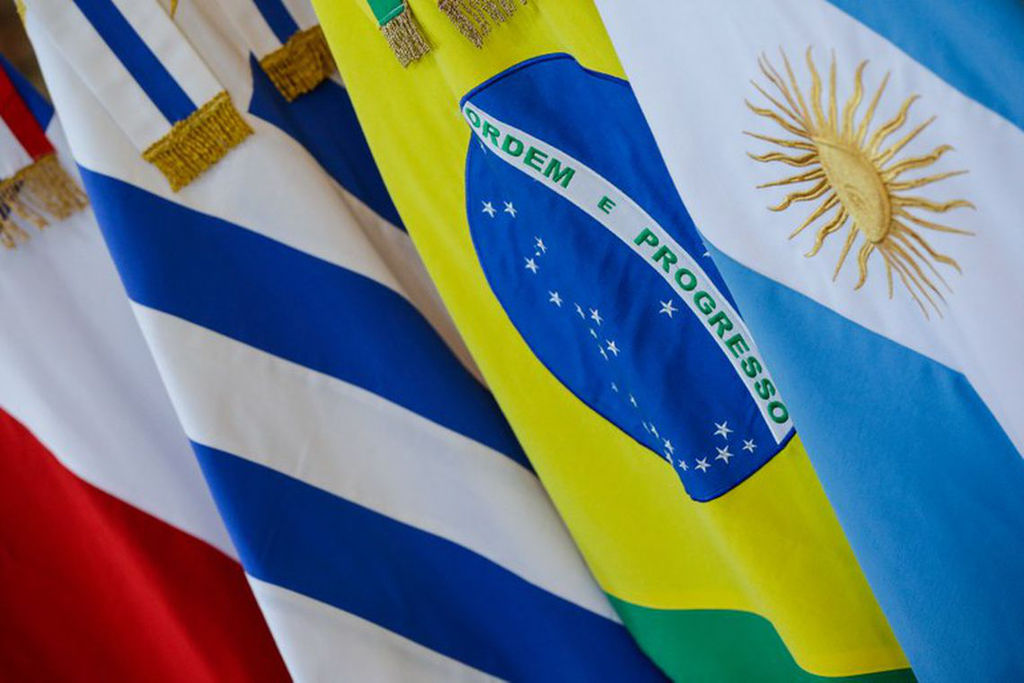
The Mercosur tariff reduction is another of the 100 days target that has not been met so far. In a statement, Itamaraty stated that during Argentina’s pro-tempore presidency of the bloc, it was established that the proposal to review the tariff should be presented by the end of the year.
Also according to Itamaraty, Brazil, which holds the rotating presidency of the bloc this semester, established “an intense calendar of face-to-face and virtual meetings” on the topic.
Established as a priority for the Ministry of Mines and Energy, the auction of the surplus oil and gas from concessions is scheduled for November. The establishment of an anti-corruption system by the Federal Executive Power, under the responsibility of the CGU (Comptroller General’s Office of the Federal Government), could not be corroborated by the story. On its website, the CGU lists the goal as “in progress” and says that the handover of results would be planned for the first 180 days of government.

On the other hand, the strengthening of surveillance and increased vaccination coverage, a goal the Ministry of Health is responsible for, could not be confirmed so far. The goal was to increase coverage for pentavalent, polio, pneumococcal, triple viral D1 and yellow fever vaccines.
In a note, the portfolio reported that it “has been working hard to meet the target,” but failed to provide results that corroborate an increase in vaccination coverage. The ministry said it had launched vaccination campaigns against influenza and measles, as well as intensified vaccination in border areas and specifically against yellow fever in the southern region.
“To encourage children to be vaccinated, the Ministry of Health will allocate R$206 million to municipalities that meet two targets set by the ministry. To receive this additional resource, officials will be required to report on a monthly basis the stock of polio, triple viral and pentavalent vaccines and achieve 95 percent measles vaccination coverage in children between the ages of one and five with the first dose of triple viral vaccine,” the ministry’s statement said.
Two other goals that have not been met, although they are in progress, are the payment of the 13th month of the Family Allowance and the establishment of criteria for federal bank officials.
According to the Ministry of Citizenship, the MP (Provisional Measure) establishing the payment of the benefit should be published by Bolsonaro “soon”. The bill addressing the criteria for federal bank executives is now in the Finance and Taxation Committee of the Chamber of Deputies, awaiting a vote on the favorable opinion submitted by Deputy Pedro Paulo, the text’s rapporteur.
Contacted by UOL, the presidency failed to comment and urged the reporter to submit questions on goals to the Chief of Staff. The Chief of Staff, in turn, failed to reply before the completion of this report.
Source: UOL
More: Brazil news in English, every day from The Rio Times.
This article was produced by The Rio Times’ automated newsroom system. How we use AI · Report an error · Editorial responsibility: Matthias Camenzind, Editor-in-Chief