Zambia Suspends Vote Count After Violence Hits Presidential Election
Zambia · POLITICS
Key Facts
—Vote count halted: The Electoral Commission of Zambia suspended counting and result announcements nationwide on Friday, 14 August 2026, citing violence against poll staff and theft of marked ballot papers.
—Legal basis cited: Chief Electoral Officer Brown Kasaro invoked Section 67(3) of the Electoral Process Act No. 35 of 2016, which allows suspension amid security threats to elections.
—Review window: The commission said it would review the suspension decision within 24 hours, leaving the timing of final results uncertain.
—Opposition claim: Main opposition leader Brian Mundubile declared victory on Friday and warned that delays could create space for manipulation, without providing evidence of irregularities.
—Copper stakes: Zambia is Africa’s second-largest copper producer, with copper generating around 70% of export earnings, alongside cobalt and other critical minerals.
—Debt burden: Public debt-to-GDP stood at over 90% in 2025 after Zambia restructured more than US$13 billion in debts, with independent research estimating Zambia owed Chinese creditors about US$6.6 billion in August.
Zambia suspends vote count nationwide after Thursday’s presidential, parliamentary and local elections, with the Electoral Commission of Zambia citing targeted violence against polling staff and theft of marked ballot papers. The suspension deepens uncertainty in a tight race between incumbent Hakainde Hichilema and challenger Brian Mundubile.
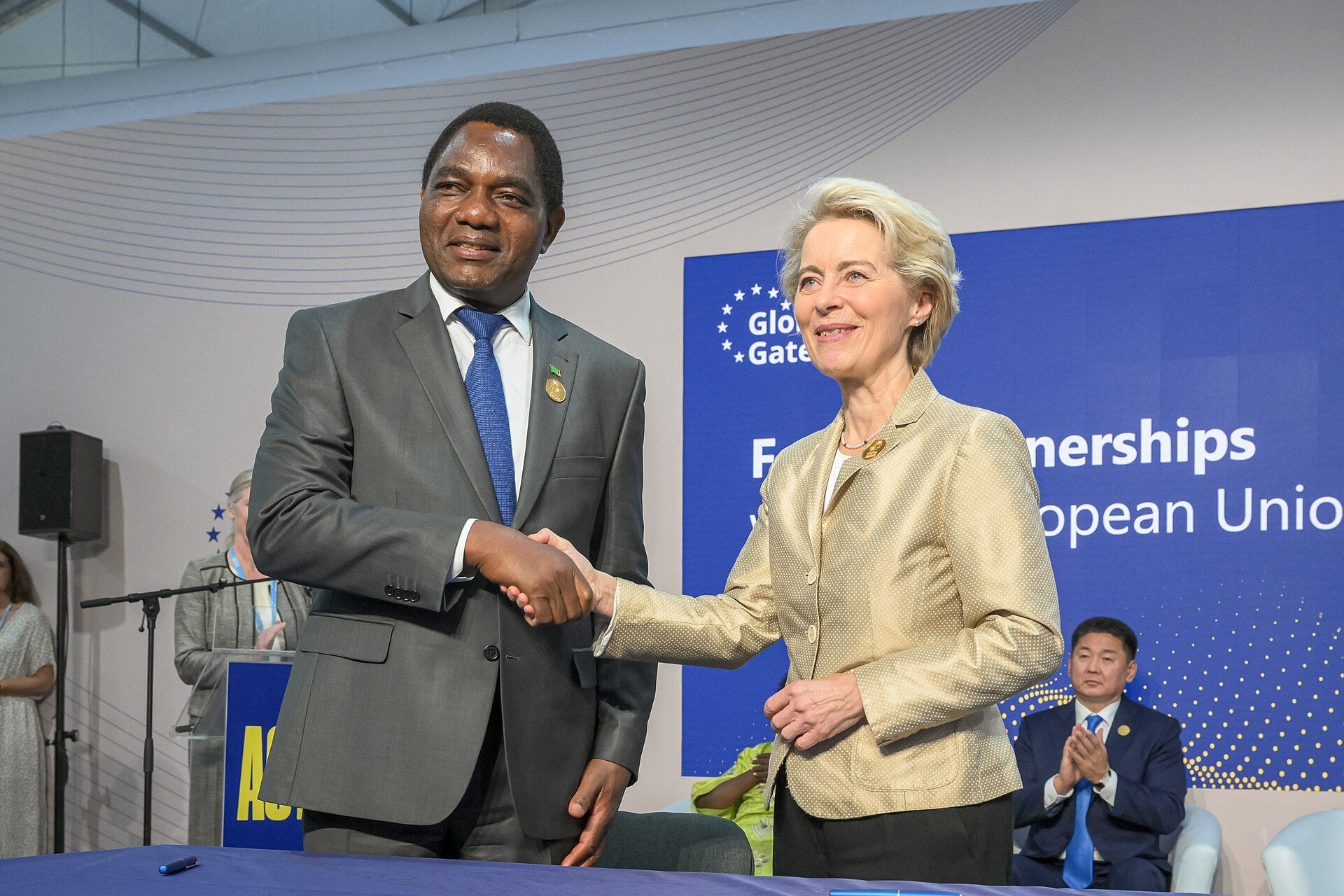
Why Zambia Suspends Vote Count
The Electoral Commission of Zambia announced the nationwide halt on Friday, 14 August 2026, one day after polls closed. Chief Electoral Officer Brown Kasaro said the commission had received reports of violence during counting and result announcements in several districts.
The violence was described as targeted at poll staff, with some incidents involving the theft of marked ballot papers from ballot boxes. Kasaro cited Section 67(3) of the Electoral Process Act No. 35 of 2016 as the legal basis for the suspension.
The commission said it would review the decision within 24 hours, but no official tallies had been released before counting was paused. The ECZ had aimed to publish full results by Sunday, with presidential results previously expected by Monday.
A tight race and rising political tension
President Hakainde Hichilema, first elected in 2021, is seeking a second five-year term on a record of debt restructuring and promises to expand copper output. His main challenger, Brian Mundubile, publicly claimed victory on Friday and demanded rapid publication of results.
Mundubile warned that delays could create an opportunity for interference with or manipulation of the results. He said he had received reports that military members had taken control of vote-counting stations in at least one town and that ballot boxes had been removed from other areas.
The opposition leader did not provide evidence for these claims, and independent verification has not been reported. Zambia’s presidential system requires a candidate to secure more than 50% of votes to avoid a second round, raising the stakes around counting integrity.
Copper, debt and investor exposure
Zambia’s political stability carries outsized weight for global commodity markets. The country is Africa’s second-largest copper producer, behind the Democratic Republic of Congo, with copper generating around 70% of export earnings.
Zambia also produces cobalt and other critical minerals essential for batteries and electric vehicles. President Hichilema has pledged to more than triple copper output to 3 million metric tons a year by 2031, an ambition that depends heavily on investor confidence.
The country remains at high risk of debt distress despite restructuring more than US$13 billion in debts. Public debt-to-GDP stood at over 90% in 2025, down from a peak of 124% in 2021, after Zambia became Africa’s first sovereign defaulter of the COVID-19 era in 2020.
China and the West watch closely
China is Zambia’s largest bilateral creditor, holding around US$4.5 billion of Zambian debt, roughly 15% of total public and publicly guaranteed debt according to International Monetary Fund data. Chinese investors also dominate copper and cobalt mining and have built roads, airports and power projects across the country.
The United States has shown rising interest in Zambia as part of a strategy to diversify critical mineral supply chains away from Chinese dominance. Zambia has accused Washington of linking access to minerals to a proposed US$2 billion health deal, an allegation the US denies.
The election outcome will shape regulatory terms for mining, the balance of concessions to Chinese versus Western investors, and implementation of debt restructuring commitments. Prolonged instability could complicate IMF-backed reforms and raise risk premia on Zambian sovereign debt and project finance.
What happens next
After its 24-hour review, the ECZ lifted the suspension and counting resumed under heightened security later on Friday. Reports indicated no visible unrest in Lusaka at the time of the announcement, even as tensions were reported in some districts.
An orderly resumption and acceptance of results would limit market and diplomatic fallout. Extended delays or opaque communication could fuel allegations of fraud or military involvement, potentially leading to protests, legal challenges, or calls for international mediation.
For investors and strategic planners, Zambia’s trajectory matters far beyond its borders. The country has become a geopolitical hinge in the competition over copper, cobalt and critical minerals, a dynamic explored in depth in Africa: The New Scramble.
Frequently Asked Questions
Why did Zambia suspend vote counting?
The Electoral Commission of Zambia suspended counting nationwide on Friday, 14 August 2026, citing targeted violence against poll staff and theft of marked ballot papers from ballot boxes in several districts.
Who are the main candidates in Zambia’s presidential election?
Incumbent President Hakainde Hichilema is seeking a second five-year term against main opposition leader Brian Mundubile, who claimed victory on Friday without providing evidence.
How much copper does Zambia produce?
Zambia is Africa’s second-largest copper producer, with copper generating around 70% of export earnings, alongside cobalt and other critical minerals.
Connected Coverage
For deeper analysis of how Zambia’s mineral wealth fits into global power competition, read Africa: The New Scramble.
Sources
This article was produced by The Rio Times’ automated newsroom system. How we use AI · Report an error
Read More from The Rio Times