Zambia’s Cabinet Approves a 2027 Budget Framework at Hichilema’s First Meeting of His Second Term
ZAMBIA · ECONOMY
Key Facts
- —What happened Zambia’s cabinet approved the framework for the 2027 budget and a 2027 to 2029 medium-term plan.
- —The occasion It was President Hakainde Hichilema’s first cabinet meeting of his second term.
- —The document behind it Cabinet approved a budget policy concept paper that will guide how the plan is drafted.
- —The stated priorities Job creation, single-digit inflation, exchange rate stability, a broader tax base and digital tax systems.
- —Reserves Zambia’s foreign reserves cover more than three months of imports.
- —What is not published No revenue, spending or deficit figures for 2027 have been released.
A framework, a concept paper and a new three-year plan, approved at the first cabinet of a second term.
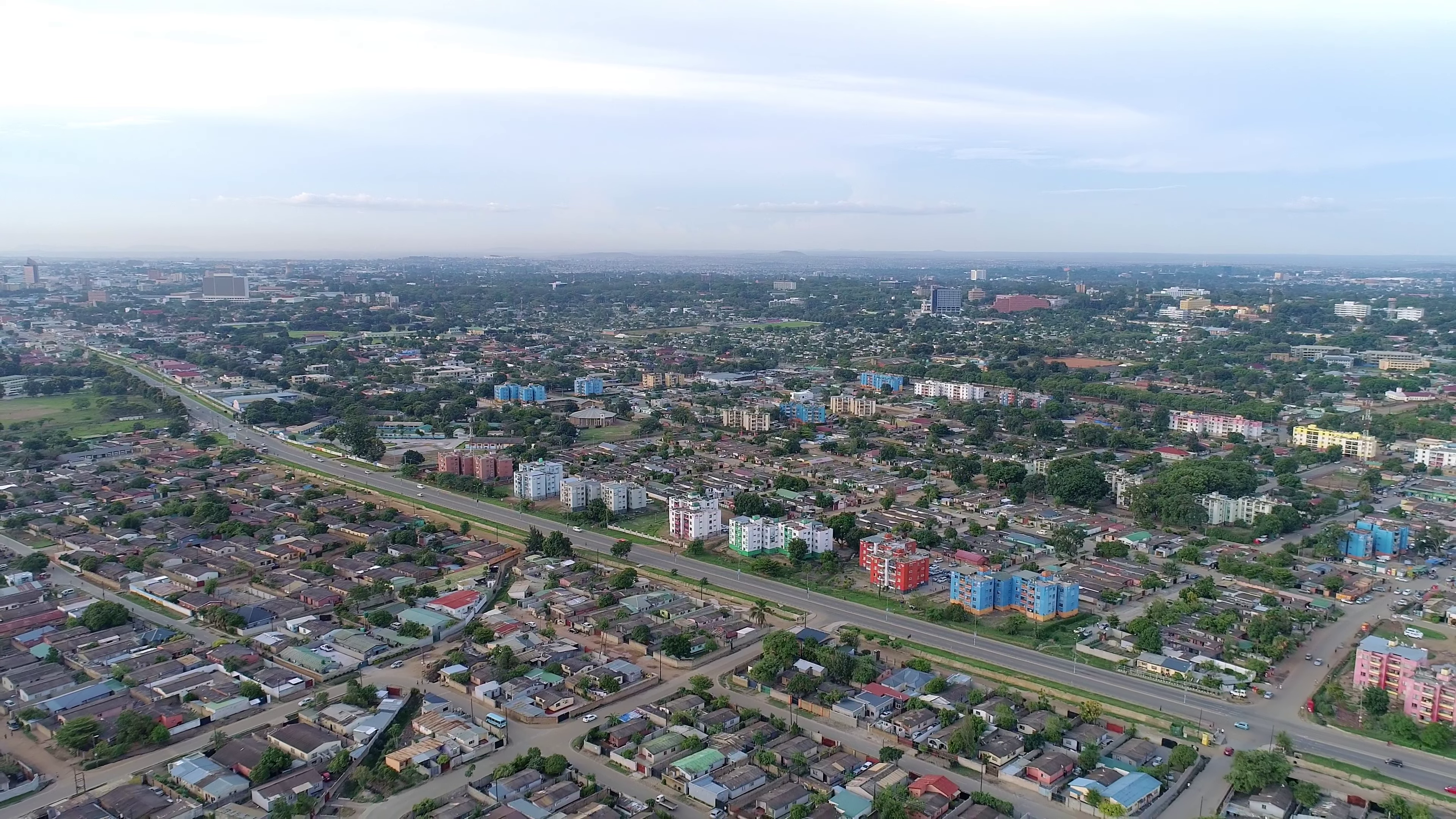
Zambia’s cabinet has approved the framework for the 2027 national budget and for a medium-term plan covering 2027 to 2029. President Hakainde Hichilema chaired the meeting on 17 September 2026, his first cabinet since beginning a second term.
What Cabinet Approved
Cabinet approved the framework for Zambia’s 2027 national budget. It also approved the framework for a medium-term budget plan running from 2027 to 2029.
Alongside those, it approved a budget policy concept paper. That document sets out the assumptions and priorities the detailed plan will be built on.
Why the Meeting Itself Was Notable
This was President Hakainde Hichilema’s first cabinet meeting since starting a second term. First meetings after an election usually set the tone for what follows.
That makes the priorities announced more significant than a routine budget step. They function as a statement of direction.
The Priorities Named
The government set out its aims under the heading of a Grow Zambia agenda. They are job creation, single-digit inflation, exchange rate stability, a broader tax base and digital tax systems.
Four of those five are macroeconomic targets. The fifth, digital tax systems, is an administrative reform that usually precedes any real broadening of the base.
What a Medium-Term Plan Does
A medium-term budget plan sets spending and revenue paths over three years rather than one. It is meant to stop each annual budget being written from scratch.
The 2027 to 2029 plan replaces the previous three-year cycle. Readers comparing coverage should note that figures from the earlier plan do not carry over.
The Reserve Position
Zambia’s foreign exchange reserves cover more than three months of imports. That is the conventional threshold used to judge whether a country can absorb an external shock.
It is a considerably stronger position than Zambia held during its debt default years. It also says nothing about the domestic fiscal position.
Why Broadening the Tax Base Is Hard
Most Zambian economic activity sits outside the formal tax net. Broadening the base means reaching small traders, farmers and service businesses that have never filed.
Digital systems make that administratively possible but not politically easy. Every government that has tried has met resistance at the point of enforcement.
What It Means for Business and Residents
For companies operating in Zambia, the useful signal is continuity rather than change. Nothing announced suggests a new tax or a new rate.
The detail that will matter arrives later, in the plan itself. A framework commits a government to a direction, not to a number.
What Is Not Yet Known
No revenue, expenditure or deficit figures for 2027 have been published. Neither has a date for the budget speech.
It is also not known how the plan treats debt service, which has dominated Zambian budgets for several years. That line will determine how much room the rest of it has.
What to Watch
Publication of the medium-term plan itself, with its revenue and spending paths. That is where the framework becomes checkable.
Watch also for the first digital tax measures. They are the clearest test of whether the base-broadening aim has operational content.
More: Africa news and analysis, every day from The Rio Times.
Frequently Asked Questions
What did Zambia’s cabinet approve?
The framework for the 2027 budget and for a 2027 to 2029 medium-term budget plan.
When did it meet?
On 17 September 2026, at President Hakainde Hichilema’s first cabinet of his second term.
What are the stated priorities?
Job creation, single-digit inflation, exchange rate stability, a broader tax base and digital tax systems.
Were any figures published?
No. No revenue, spending or deficit numbers for 2027 have been released.
How strong are Zambia’s reserves?
They cover more than three months of imports.
What is a medium-term budget plan?
A three-year spending and revenue path, meant to stop each annual budget being written from scratch.
Sources: Zambian cabinet announcement of 17 September 2026, as reported by News Diggers, Lusaka Times and ZNBC.
This article was produced by The Rio Times’ automated newsroom system. How we use AI · Report an error
In depth
LatAm Markets: Live Signals → — real-time movers, turnover leaders and FX across Latin America.
Read More from The Rio Times