World Bank Lifts Africa 2026 Growth to 4.3%

Economy: Africa
Key Facts
—Who. The World Bank, in its Africa Economic Update, subtitled “Building AI Readiness.”
—What. Raised its 2026 growth forecast for Sub-Saharan Africa to 4.3%, up from 4.1% in 2025 and 0.3 points above its April forecast.
—Where. Forecasts were raised for 35 of the region’s 47 countries, including Angola, Ethiopia, Nigeria and Zambia.
—When. Released in Washington on Tuesday 6 October 2026.
—US link. Median inflation is projected to rise to 5.5% this year, from 3.7% in 2025.
—As of. 7 October 2026, 22:45 GMT.
The World Bank now expects Sub-Saharan Africa to grow 4.3% in 2026, up from 4.1% in 2025. It credits years of reform, but warns that growth is still too slow to cut poverty or create enough jobs for a fast-growing workforce.
What We Know
The forecast comes from the Africa Economic Update, released in Washington on Tuesday 6 October. It is 0.3 percentage points higher than the Bank’s April outlook, despite higher energy prices linked to the conflict in the Middle East.
Forecasts rose for 35 of the 47 countries, nearly three-quarters of the region. The Bank named Angola, Ethiopia, Nigeria and Zambia among the upgrades.
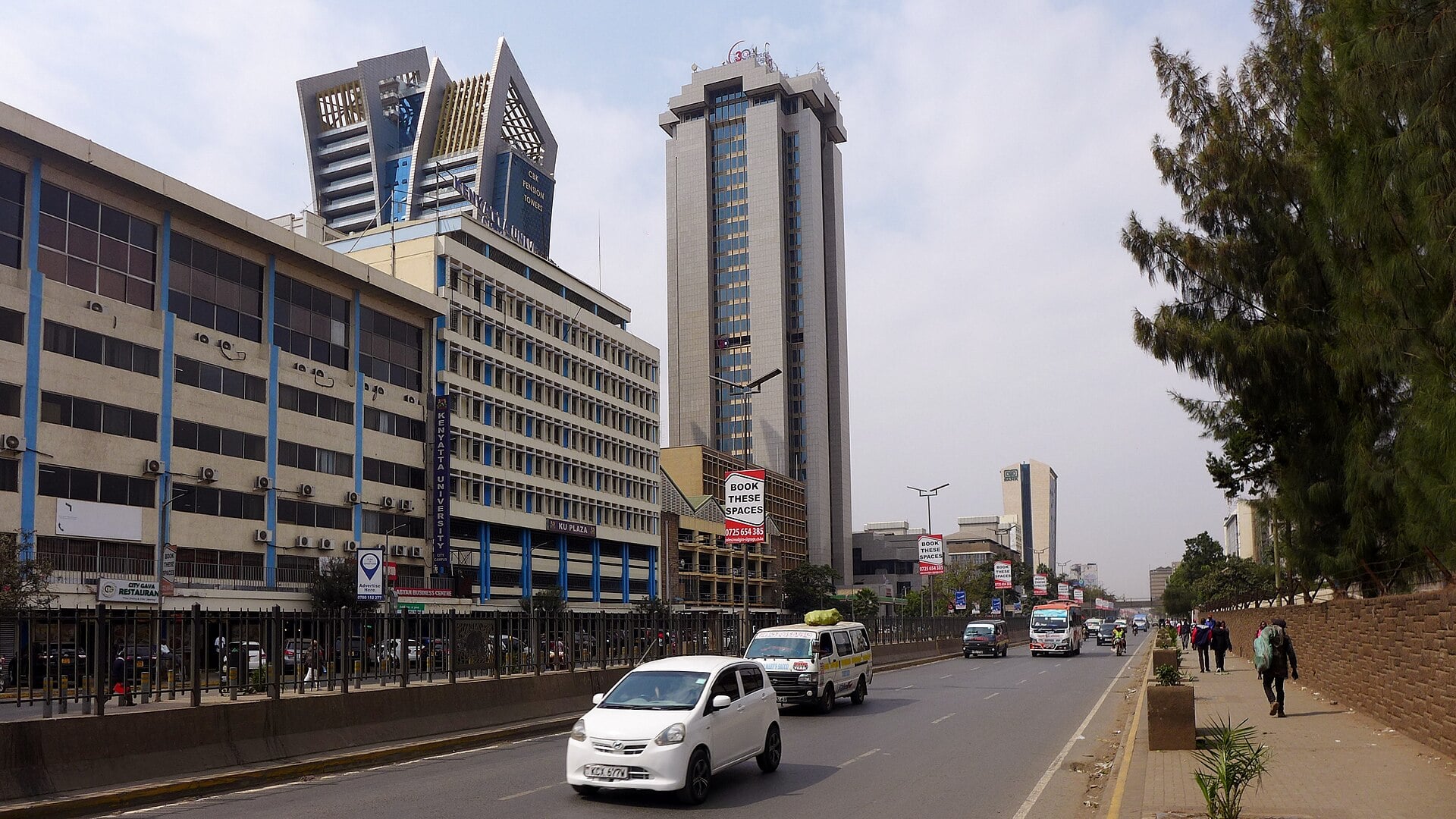
Which Economies Are Growing Fastest
Ethiopia is expected to grow 9.2% in 2026, the same pace as last year. Nigeria, the region’s most populous country, is forecast at 4.3%, up from 4.0% in 2025, and at 4.4% in both 2027 and 2028.
Angola is projected at 4.5% and Zambia at 5.6%. Ghana stays at 4.8%, according to Ghana’s state broadcaster GBC, while South Africa is forecast at only 1.0%, against 1.1% in 2025.
Prices, Debt and Poverty
Median inflation across the region is projected to rise from 3.7% in 2025 to 5.5% this year. The Bank blames higher global prices for fuel, fertiliser and food.
Public debt has stabilised at roughly 57% of GDP, but heavy debt-service costs still limit spending on essential services. Income per person is projected to grow only 1.8% in 2026, after 1.6% in 2025.
On the Bank’s measure of US$3 a day, the poverty rate is projected to fall only slightly, to 47.8% in 2026 and 47.1% in 2027. The number of poor people is still rising because population growth outpaces that decline.
“The next challenge is turning growth into more jobs and better opportunities,” said Andrew Dabalen, the Bank’s chief economist for Africa. He added: “These gains reflect years of reforms and improved economic management.”
The Special Focus: Artificial Intelligence
This edition studies how ready African economies are for artificial intelligence. Activity is concentrated in Kenya, Nigeria and South Africa, and about 900 million Africans remain offline.
The continent holds 18% of the world’s population but only 0.6% of global data-centre capacity, and only about 5% of its data centres are ready for AI. The Bank’s advice is to favour affordable, locally adapted tools that work on low bandwidth, rather than frontier systems.
What Is Not Known
It is not known how long the energy-price pressure linked to the Middle East conflict will last, and so how high inflation will go. It is also unclear whether faster growth will turn into the jobs and higher incomes the Bank says are needed.
What It Means for US Readers and Investors
For investors in African dollar bonds and listed companies, the report shows improving growth alongside heavy debt-service costs. Higher inflation and weak income growth are the soft spots in the Bank’s picture.
For US businesses selling into the region, the fastest growth is in a few large markets such as Ethiopia and Nigeria, not across the whole continent. This is our reading of the Bank’s figures, not a forecast.
More: Africa news in English, every day from The Rio Times.
Frequently Asked Questions
What is the World Bank’s Africa Economic Update?
It is the Bank’s regular report on the economies of Sub-Saharan Africa. The October 2026 edition was released on 6 October and focuses on AI readiness.
How fast will Sub-Saharan Africa grow in 2026?
The World Bank forecasts 4.3%, up from 4.1% in 2025. That is 0.3 percentage points above its April forecast.
Which countries had their forecasts raised?
Forecasts rose for 35 of the 47 countries, including Angola, Ethiopia, Nigeria and Zambia. Ethiopia is expected to grow 9.2% and Nigeria 4.3%.
Why does the World Bank say growth is not enough?
Income per person is projected to rise only 1.8% in 2026, and 47.8% of people still live on less than US$3 a day. The Bank says growth is not enough to substantially reduce extreme poverty or create enough jobs.
Sources
World Bank press release, 6 October 2026 · Nairametrics (growth forecast) · Nairametrics (per capita and poverty) · GBC Ghana
Connected Coverage
This article was produced by The Rio Times’ automated newsroom system. How we use AI · Report an error · Editorial responsibility: Matthias Camenzind, Editor-in-Chief
Part of our ongoing coverage
Africa: The New Scramble — the great-power contest over the continent.
LatAm Markets: Live Signals → — real-time movers, turnover leaders and FX across Latin America.