After Nicolás Maduro’s controversial re-election, Venezuela faced chaos, protests, fraud claims, and international criticism.
This turmoil exacerbated existing political divisions, influencing a series of domestic and global reactions.
This detailed account captures the entirety of these events and the reactions that followed.
Timeline and Analysis
Electoral Outcome and Immediate Reactions
- July 28, 2024: The Electoral Council (CNE), under government control, prematurely declares Nicolás Maduro wins the presidential election with 51.21% of the votes against opposition candidate Edmundo González, who received 44%.
- July 30: The Venezuelan Parliament, with a government majority, recognizes Maduro’s reelection.
- July 30: The Venezuelan Armed Forces reaffirm their loyalty to Maduro.
- Controversy 1: The opposition, led by María Corina Machado, claims electoral fraud, alleging that independent counts showed González as the true winner with substantial evidence from electoral records.
- Controversy 2: The Carter Center, acting as an international observer, also stressed the necessity of disclosing the voting records to validate election transparency.
- Controversy 3: Jorge Rodríguez, a prominent member of the Venezuelan government and deputy in the National Assembly, called for the imprisonment of opposition leaders María Corina Machado and Edmundo González Urrutia.
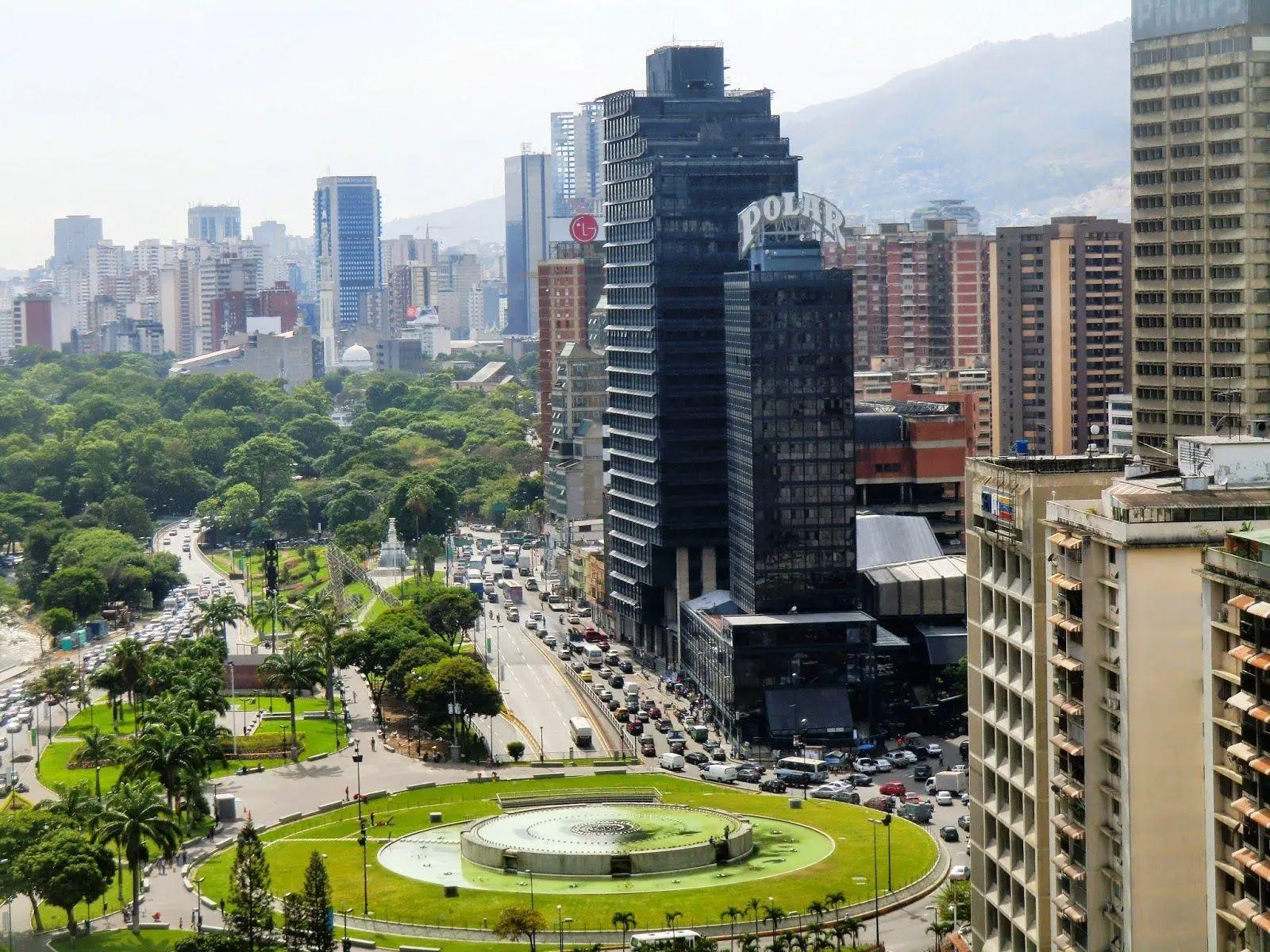
Public Protests and Fatalities
- July 29: Protests erupt across Venezuela, particularly in Caracas. Seven fatalities are reported amid the unrest, with protesters toppling statues of Hugo Chávez and clashing with security forces.
- July 30: Foro Penal reports at least 749 detentions nationwide, underscoring a crackdown on protest activities.
International and Institutional Responses
- Diplomatic Expulsions: In response to international criticism, Venezuela expels diplomats from Argentina, Chile, Costa Rica, Peru, Panama, the Dominican Republic, and Uruguay for questioning the legitimacy of the election results.
- Organization of American States (OAS): Declares the inability to recognize the election results as legitimate, citing lack of transparency and planning an emergency meeting to discuss the situation.
- July 30: The U.S. National Security Council called for Venezuela to release full, transparent election results.
- July 30: Peru recognizes Edmundo González as the elected president in Venezuela, says foreign minister.
- July 30: Cuba declares those who do not recognize the electoral results of Venezuela as “enemies.”
Domestic Responses and Violence
- Security Measures: Venezuelan security forces reportedly use tear gas and rubber bullets to disperse protesters. The actions are concentrated even in poorer areas of Caracas, which historically supported the Maduro government.
- Opposition’s Claims: Opposition figures assert that they have access to 40% of electoral records, which contradict the official results proclaimed by the CNE.
Political Stances in Brazil
- President Lula’s stance: Luís Inácio Lula da Silva says that Venezuela needs to show the voting records to “resolve the dispute.”
- Lula’s Workers’ Party (PT) and Communist Party of Brazil (PCdoB): Both parties recognize Maduro’s victory, calling the electoral process democratic and urging continued dialogue to address Venezuela’s issues, attributing problems largely to external sanctions.
- Brazilian Opposition’s Critique: Criticizes PT’s support for Maduro, labeling it as an endorsement of fraudulent practices and an affront to democratic principles.
Safety and Security Advisories
- Brazil’s Warning: Brazil’s Ministry of Foreign Affairs issues a travel advisory for Brazilians in Venezuela, urging caution and avoidance of large gatherings.
Broader Political and Social Implications
- Economic and Social Decline: Under Maduro’s presidency, Venezuela has experienced significant economic turmoil, mass migration, and strained international relations, particularly with Western nations imposing sanctions.
- Defense Ministry’s Warning: References past protests (2014, 2017, 2019) that resulted in violence and deaths, hinting at the potential for repeated scenarios.
Conclusion
The events following Maduro’s re-election illustrate the deep divisions and crises within Venezuela.
With allegations of electoral misconduct, widespread protests, and significant international scrutiny, the situation remains volatile.
Global, regional, and local Venezuelan dynamics will influence the country’s stability and democracy.
More: Venezuela news in English, every day from The Rio Times.
This article was produced by The Rio Times’ automated newsroom system. How we use AI · Report an error
Read More from The Rio Times