Venezuela Repression Report Finds Maduro-Era Enforcers Still in Power
Venezuela · Human Rights
Key Facts
- —What happened A UN Venezuela repression report says people it links to past abuses still hold senior posts in Venezuela’s government.
- —Who is listed At least 12 officials it found reasonable grounds to link to violations, plus six others, including acting president Delcy Rodríguez.
- —How Caracas answered Venezuela told the Human Rights Council on 18 September 2026 that the mission should be wound up.
- —The catch No court has charged any of the people listed; the mission says they should be investigated.
- —What comes next The mandate runs through October 2026; Alerta Venezuela, a rights group, expects a renewal vote between 5 and 7 October.
UN investigators say the fall of Nicolás Maduro eased the harshest abuses but left the machinery of repression, and many of its operators, in place.
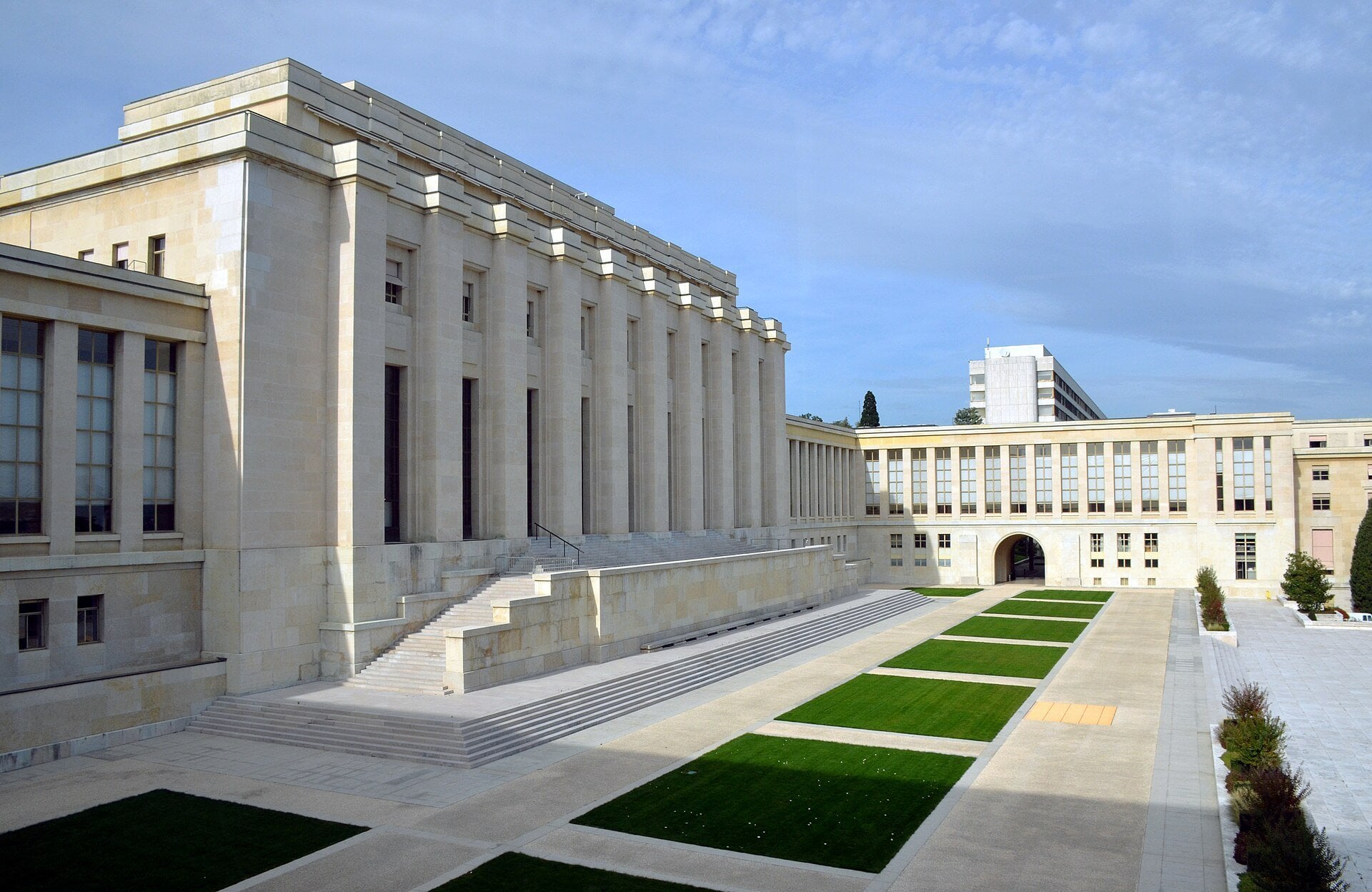
A UN Venezuela repression report released on 16 September 2026 says Nicolás Maduro’s security chiefs are largely still in power. His successors, in charge since US forces seized him in January, have eased the worst abuses but kept the system intact.
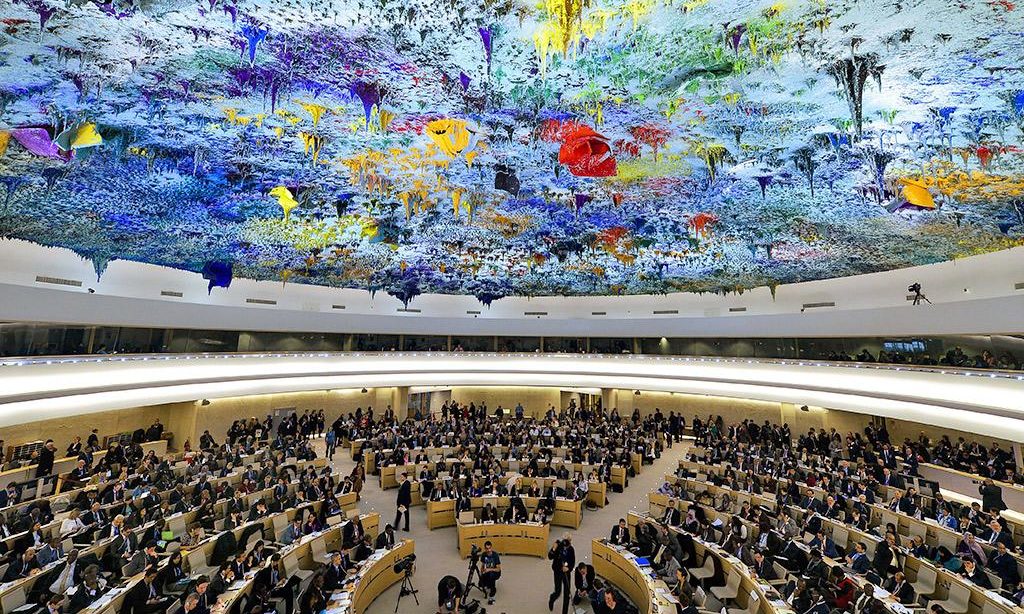
The findings come from the Independent International Fact-Finding Mission on Venezuela, a panel created by the UN Human Rights Council in 2019. The Council, a 47-member body of governments, meets in Geneva.
The mission’s two-year mandate, last renewed by the Council on 11 October 2024, runs through October 2026. Venezuela’s government has asked the Council to let it expire.
What the investigators published
The mission released its main report, document A/HRC/63/57, on Wednesday 16 September 2026. It covers 1 September 2025 to 31 July 2026.
A longer Spanish-language paper followed, dated 17 September 2026 and titled “La continuidad del aparato represivo del Estado”. The title translates as “The continuity of the State’s repressive apparatus”.
The mission’s three members are Sofía Macher of Peru, who chairs it, the Canadian Alex Neve and María Eloísa Quintero. They presented the findings to the Council on Friday 18 September 2026.
“The reduction in some of the harshest forms of repression is notable,” Macher said in the mission’s statement. “But it does not yet amount in any way to a transformation of the system that made them possible.”
Twelve names, and six more
The paper says at least 12 current office-holders were identified in earlier reports as having committed, ordered, facilitated or contributed to abuses. For each, the mission says it has reasonable grounds to believe they bear responsibility and should be investigated.
They include Diosdado Cabello, the interior minister, and Gustavo González López, the defence minister since March. González previously ran the Bolivarian National Intelligence Service, known as SEBIN.
Vladimir Padrino López, defence minister from 2014 until March 2026, is now minister of agriculture. Tarek William Saab, attorney general from 2017 until February 2026, now runs a government cultural programme.
The list also names Alexander Granko Arteaga of the military counter-intelligence agency, DGCIM, and Food Minister Carlos Leal Tellería.
Carmen Meléndez, mayor of Caracas’s central Libertador municipality, is on it. So is Iván Hernández Dala, head of state telecoms firm CANTV.
Six further people appear in what the mission calls an illustrative, non-exhaustive selection of senior figures linked to repressive institutions. Venezuelan outlets such as El Nacional combined the two groups into a list of 18.
That second group includes the acting president, Delcy Rodríguez, and her brother Jorge Rodríguez, president of the National Assembly. It also names the SEBIN director, Alexis Rodríguez Cabello, and Prisons Minister Julio García Zerpa.
None of the 18 has been charged in connection with these findings. The mission is an investigative panel, not a court.
The case against the acting president
Rodríguez was Maduro’s executive vice-president from 2018 and formally oversaw SEBIN until April 2021. The paper says she knew or should have known of crimes committed there and did not prevent them.
The Supreme Court appointed her interim president after the US military operation of 3 January 2026. She took office on 5 January and promised a “new political moment”.
Since then, the report notes, political prisoners have been freed and an amnesty law passed in February. The El Helicoide detention centre was also announced closed.
The mission calls these steps piecemeal and fragile. It says the new authorities have made no move to investigate or prosecute past violations.
Abuses the mission still documents
The mission says it investigated 64 new torture cases after 3 January alone. They include prolonged confinement in a sealed underground cistern at El Rodeo I prison, known to inmates as the “time machine”.
Non-governmental groups estimate that between 379 and 500 people remain detained for political reasons, the mission said. It added that official, verifiable figures are absent.
It also criticised Venezuela’s formal denunciation in July 2026 of the Rome Statute, the International Criminal Court’s founding treaty. Quintero urged Caracas to reverse that decision.
Caracas asks for the mission to close
Venezuela replied in Geneva on 18 September 2026, the Spanish agency EFE reported. Its speaker was Enzo Bitteto, a minister counsellor at its UN mission.
Bitteto called the panel partial and said it relied on secondary and tertiary sources.
“The time has come to move towards the conclusion of this mechanism and avoid its indefinite perpetuation,” he said. He urged Council members not to back another renewal.
Bitteto said non-custodial measures had benefited 8,743 people. He proposed routine UN reviews and technical cooperation instead of the mission.
The vote ahead
In a letter published on 21 September 2026, 21 rights groups including Amnesty International sought an extension to at least 2028. They are campaigning groups with a stake in the outcome.
The Council’s current session ends on 7 October 2026. A vote on renewal is expected between 5 and 7 October, according to Alerta Venezuela, which published the letter.
Argentina, Canada, Chile, Ecuador, Guatemala, Paraguay and Uruguay have led the renewal effort since 2024, Alerta Venezuela says. The 2024 renewal passed by 23 votes to 6, with 18 abstentions.
For foreign investors watching Venezuela’s opening, the Venezuela repression report is a reminder that its security apparatus has not changed hands.
More: Venezuela coverage, every day from The Rio Times.
Frequently Asked Questions
What is the UN fact-finding mission on Venezuela?
It is an independent panel of three experts created by the UN Human Rights Council in September 2019. It investigates killings, disappearances, arbitrary detention and torture in Venezuela since 2014. It reports to the Council in Geneva but is not a court and cannot charge anyone. Its current members are Sofía Macher, Alex Neve and María Eloísa Quintero.
Did the UN name 18 officials?
The Venezuela repression report’s companion paper of 17 September 2026 lists 12 office-holders it had previously linked to abuses and says should be investigated. It adds six others as an illustrative selection of senior figures tied to repressive institutions. Venezuelan media combined the two groups into a list of 18. The UN’s own press release gives a count of at least 19.
Who leads Venezuela now?
Delcy Rodríguez, previously Maduro’s executive vice-president, has served as acting president since 5 January 2026. The Supreme Court appointed her after US forces seized Maduro on 3 January 2026. Maduro and his wife, Cilia Flores, face criminal charges in the United States.
What happens to the mission now?
Its two-year mandate, renewed on 11 October 2024, runs through October 2026 unless the Human Rights Council renews it again. Venezuela has asked members to let it lapse, while 21 rights groups want it extended to 2028. A vote is expected between 5 and 7 October 2026, according to Alerta Venezuela.
Sources: Human Rights Council resolution 57/36 (2024 renewal), HRC 63rd session page, UN report A/HRC/63/57, conference room paper A/HRC/63/CRP.5 (Spanish), OHCHR press release of 16 September 2026, EFE via Infobae on Venezuela’s reply, AlbertoNews on the Geneva statement, El Nacional on the 18 names, Alerta Venezuela on the renewal campaign
This article was produced by The Rio Times’ automated newsroom system. How we use AI · Report an error
In depth
Read More from The Rio Times