Who Runs Venezuela’s Economy, the Key Players in 2026

GUIDES · VENEZUELA
Key Facts
- —The country A Caribbean oil state run by acting president Delcy Rodríguez since a US military operation removed Nicolás Maduro in early January 2026.
- —Size of the economy About US$99.7 billion in 2025, or roughly US$3,700 per person. The IMF projects growth of 4.0 percent and inflation of 387.4 percent for 2026.
- —Oil to the US US crude imports from Venezuela reached 701,000 barrels a day in July 2026, against 7,000 a year earlier (US Energy Information Administration, 30 September 2026).
- —Currency The bolívar. The central bank set Bs 876.79 per US dollar for 10 to 13 October 2026, against about Bs 298 at the start of the year.
- —Sanctions The Treasury still lists the US executive orders blocking the Venezuelan government. Trade runs through general licences, the latest reissued on 28 September 2026.
- —Prediction markets Polymarket gives a 10.5% chance that Venezuela schedules a presidential election by 31 December 2026 (11 October, 3:45 a.m. ET).
Who controls the money in Venezuela in 2026: the oil company, its US partners, the banks, the families and Washington.
The Venezuela economy is now run by a caretaker government, the state oil company PDVSA and Washington, which licenses most large deals. Oil sales to American refiners have climbed from almost nothing to about 700,000 barrels a day. For US investors, refiners, bondholders and exporters, knowing who holds which lever now decides who gets paid.
How the Venezuela Economy Is Organised
Venezuela produced goods and services worth about US$99.7 billion in 2025, according to the International Monetary Fund’s (IMF) World Economic Outlook database. That is roughly US$3,700 per person, a fraction of the US level. The IMF expects output to reach about US$111.3 billion in 2026.
The state owns the reserves and its oil company holds the licences. Export revenue pays for imports, wages and the budget. Most other sectors, from food to banking, depend on how many dollars oil brings in.
The IMF projects consumer prices to rise 387.4 percent in 2026, before slowing to 94.4 percent in 2027. The Banco Central de Venezuela (BCV) set the official rate at Bs 876.79 per US dollar for 10 to 13 October 2026. Every bolívar figure in this guide uses that rate.
The bolívar has lost about two-thirds of its value against the dollar since January, according to BCV figures compiled by Finanzas Digital. The rate then stood near Bs 298 per dollar. In practice, shops, landlords and many employers price in dollars.
PDVSA and the Oil Ministry
Petróleos de Venezuela, S.A. (PDVSA) is the state oil company and holds the country’s oil rights. Its president is Héctor Obregón, who has led the company through the opening to foreign capital. On 9 October 2026 he told Fedecámaras, the main business chamber, that PDVSA aims to sign 105 definitive oil contracts this year.
Of those 105 contracts, 61 were already signed and 44 were in negotiation, Obregón said, as reported by Nuevo Día. Between 65 and 70 percent concern new fields. He projected output of 1.3 million barrels a day by the end of 2026, and close to 1.5 million a year later.
Policy sits with the Ministry of Hydrocarbons, headed by Paula Henao, a minister appointed by Delcy Rodríguez. The hydrocarbons law was reformed in January 2026, and Rodríguez signed its implementing regulation on Wednesday 8 July 2026. Henao said the regulation covers the whole value chain, “from upstream to commercialisation”.
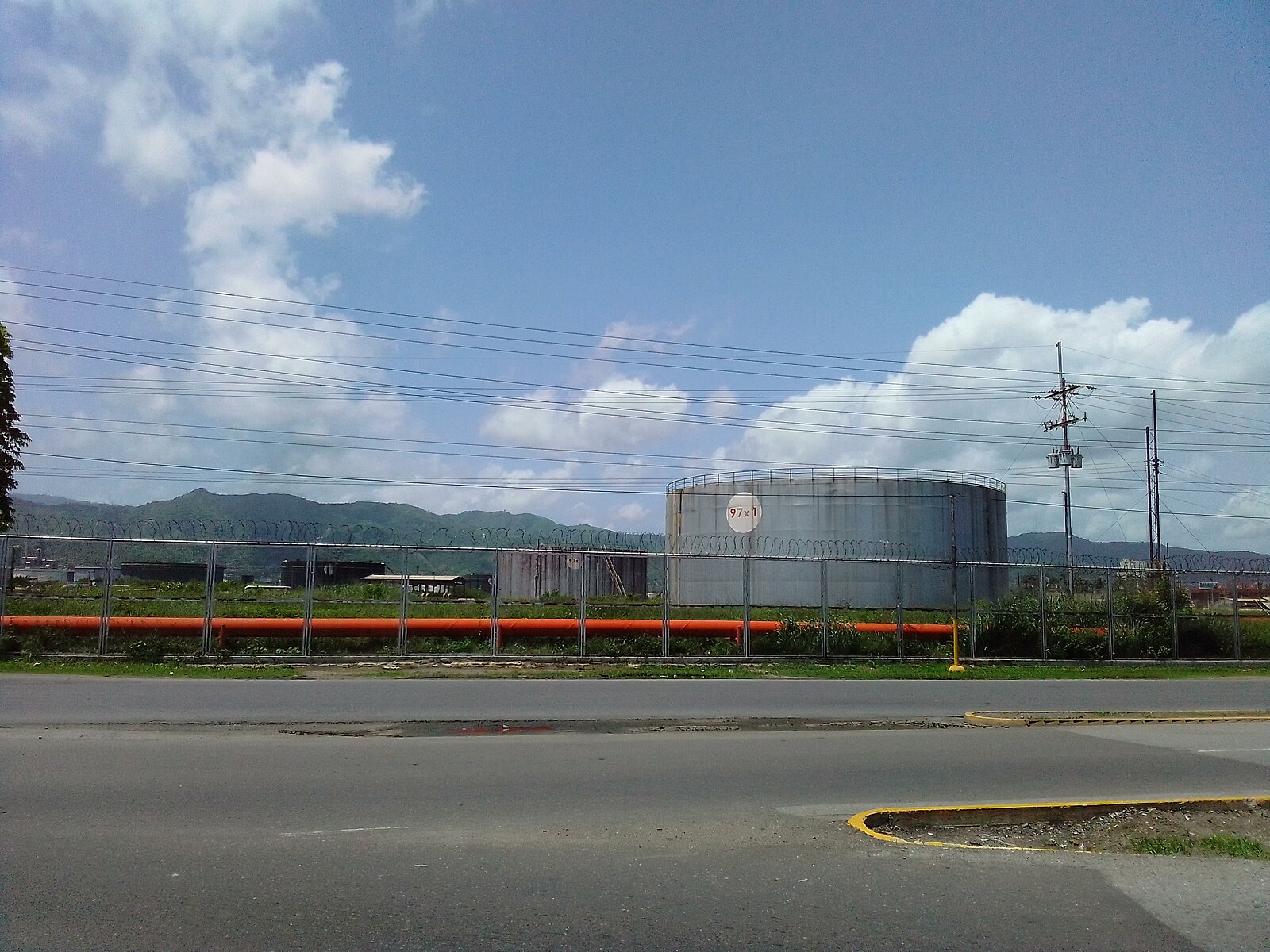
PDVSA also runs the domestic refineries. PDVSA said in August 2026 that they cover domestic fuel demand, with capacity of 350,000 barrels a day. Other state companies sit around it: CANTV in telecommunications and Conviasa, the state airline, both covered by their own US licences.
Chevron, NABEP and the Foreign Oil Partners
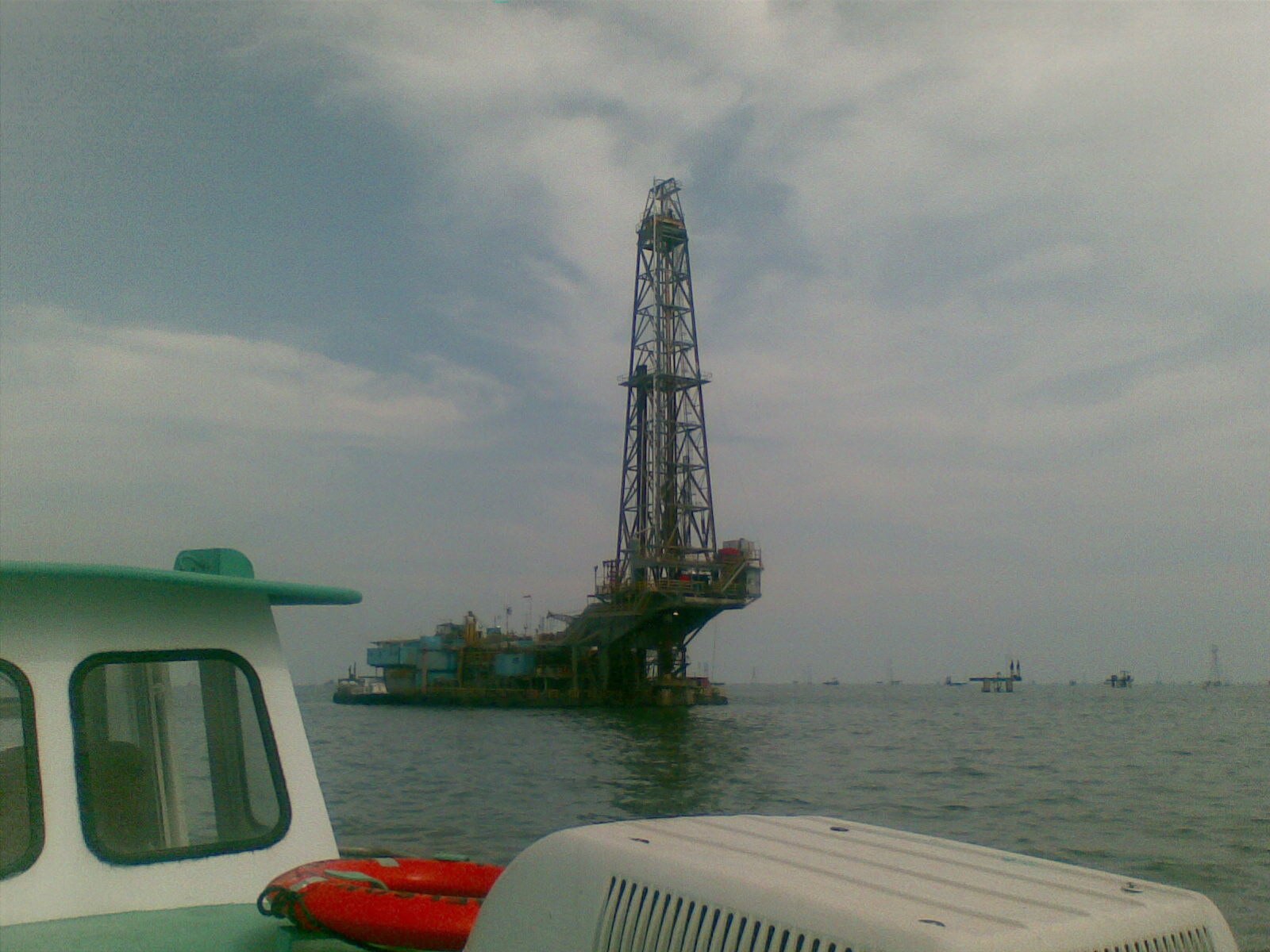
Chevron, the US major, works in Venezuela through joint ventures with PDVSA. They include Petropiar and Petroindependencia in the Orinoco heavy-oil belt and Petroboscán in Zulia state. On 2 September 2026 it announced plans to reach about 600,000 barrels a day within five years.
Chief financial officer Eimear Bonner later said Venezuela had moved to the top of Chevron’s opportunities, according to El Nacional. The company’s gross commitment is about US$7 billion over five years. It targets about 9 billion barrels of commercial reserves at total costs below US$20 a barrel.
The second pillar is North American Blue Energy Partners (NABEP), a privately held, Barbados-based oil company.
A White House fact sheet of 31 August 2026 said it holds 100-year concessions over 17 fields. Those fields hold about 65 billion barrels. The White House calls it the second-largest private producer in Venezuela.
- US government stake: the Pentagon’s Office of Strategic Capital receives 35 percent of NABEP’s corporate parent, at no stated cost to taxpayers.
- Oil for Washington: the State Department may buy 20 percent of output at production cost, with first refusal on the other 80 percent.
- Control: Washington holds a veto over board appointments, and most directors must be US citizens.
- Money: NABEP plans up to US$100 billion of investment and expects to pay about US$200 billion in royalties and taxes over 25 years.
NABEP is controlled by Alejandro Betancourt, a Venezuelan businessman, according to the Colombian daily Vanguardia. He has been named in money-laundering investigations in Spain and Switzerland linked to PDVSA deals. These are allegations; he has not been formally charged.
European companies are also expanding. Spain’s Repsol and Italy’s Eni share a gas field and are seeking new partners to finance its growth. In August 2026 Venezuela signed agreements with Hunt Oil and the oilfield services group SLB during a ministerial visit to Houston.
The Central Bank and the Banks
The BCV sets the official exchange rate, sells dollars to banks and publishes inflation data. In April 2026 Luis Alberto Pérez González, a board member since 2025, replaced Laura Guerra as acting president. No later change at the top of the bank has been announced.
The state-owned Banco de Venezuela is the most valuable listed bank. In July 2026 Rodríguez named Calixto Ortega Sánchez, a former central bank president, to run it. Ortega is also her sectoral vice-president for the economy and finance, a post he has held since January 2026. The leading private group is Banesco, founded by Juan Carlos Escotet, who also heads the Spanish lender Abanca.
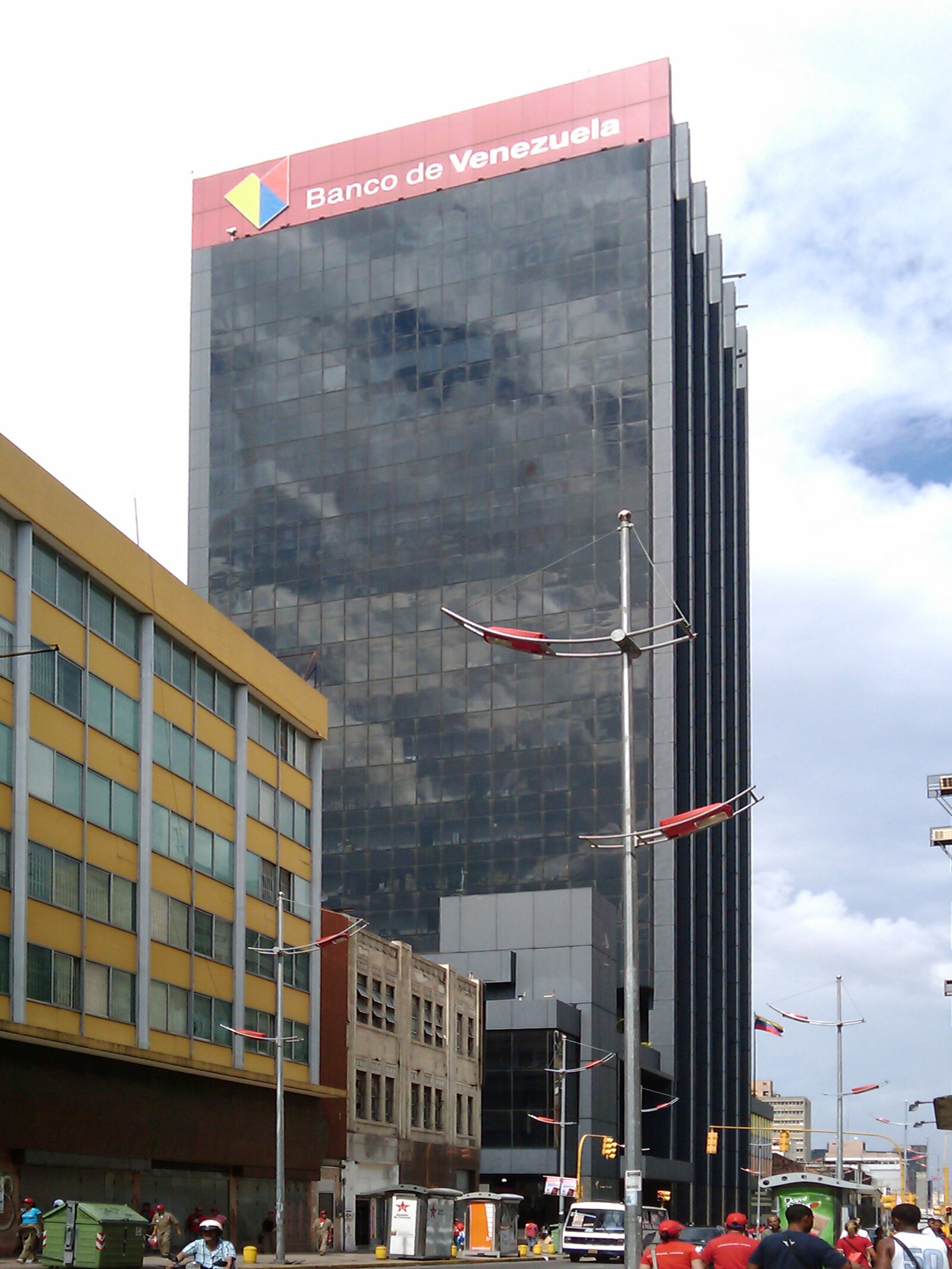
Other names matter too: Mercantil, Banco Provincial, Banco Nacional de Crédito and Bancaribe.
Credit is tiny. Bank loans rose from US$240 million in 2020 to about US$3.8 billion, near 4 percent of GDP. That is the estimate of Luis Xavier Grisanti, board chairman of Banco Exterior.
The regional average is about 33 percent, Grisanti told the Fedecámaras assembly in October 2026. A legal reserve requirement of 73 percent keeps most deposits frozen at the central bank. He expects lending to reach 8 to 10 percent of GDP within two years if that requirement eases.
The Caracas Stock Exchange and Listed Companies
The Bolsa de Valores de Caracas is small but revealing. Its own January 2026 report put total market value at Bs 5.59 trillion (about US$6.4 billion at the October rate). At January exchange rates the exchange valued the market at about US$15.2 billion.
Banks dominate. The state-owned Banco de Venezuela alone made up 58.4 percent of the market value, followed by Banco Provincial at 12.4 percent. Mercantil’s two share classes together accounted for about 7.8 percent and Banco Nacional de Crédito for 4.7 percent.
- Ron Santa Teresa: the rum maker, the largest listed company outside banking in January, with 2.6 percent of the market.
- CANTV: the state telephone company, whose class D shares still trade.
- Industrial names: Corimon, Sivensa, Envases Venezolanos, Fábrica Nacional de Cementos and the agribusinesses Protinal and Proagro.
The exchange’s president, José Grasso Vecchio, has asked for tax incentives for issuers and the return of government bonds. Prices have soared in bolívar terms in 2026, which partly reflects the weaker currency rather than real gains.
Business Families and Tycoons
A handful of family groups kept operating through two decades of state controls. They now position themselves for the opening, and some keep their distance from oil and mining.
- Mendoza family (Empresas Polar): the food and beverage group, active for 85 years. Executive president Lorenzo Mendoza launched a programme in September 2026 to help create 1,000 new companies over 15 years.
- Cisneros family (Organización Cisneros): led by Adriana Cisneros. In April 2026 the group announced a US$1 billion fund, expandable to US$2 billion, for agribusiness, property, infrastructure, services and telecommunications.
- Escotet family (Banesco): the private bank founded by Juan Carlos Escotet, active in Venezuela, Panama, the Dominican Republic, the United States and Puerto Rico.
The Cisneros fund explicitly excludes hydrocarbons and mining, Adriana Cisneros told Infobae in August 2026. A separate company linked to heirs of Oswaldo Cisneros, DP Delta Finance, lost its rights in the Petrodelta oil venture in 2026. It is claiming about US$2 billion from the state.
Alongside the old families stand newer fortunes made under Hugo Chávez and Maduro, nicknamed the “bolichicos”. NABEP’s Betancourt is the best-known example. His foreign cases, set out above, remain open allegations.
Sanctions and Licences, Checked at OFAC
The Office of Foreign Assets Control (OFAC), the US Treasury unit that runs sanctions, still lists every Venezuela executive order since 2015. They include Executive Order 13884 of 2019, which blocks the property of the Venezuelan government.
Business therefore runs on general licences, which authorise named activities without a case-by-case permit. OFAC reissued the core oil licences on 28 September 2026:
- GL 46E: activities involving Venezuelan-origin oil and petrochemical products.
- GL 48D: supply of certain goods and services to Venezuela.
- GL 49B: negotiating contingent contracts for investment in Venezuela.
- GL 52C (14 September): certain transactions involving PDVSA.
- GL 51D, 54C and 55A (2 September): coal and minerals, including gold.
- GL 57 and 58 (April and May): financial services with certain Venezuelan banks, and advice on a possible debt restructuring.
- GL 5Z (16 September): transactions linked to the PDVSA 2020 bond from 5 November 2026.
A separate order, Executive Order 14373 of 9 January 2026, shields Venezuelan oil revenue held in US Treasury accounts from creditors. It means the proceeds of oil sales sit under American custody, not in Caracas.
What It Means for US Readers
Investors: Venezuelan exposure is mostly indirect, through Chevron, Repsol, Eni and oilfield service firms. Every deal still needs a licence, and licences can be amended or withdrawn. Holders of defaulted PDVSA and government bonds should watch GL 5Z and any restructuring talks under GL 58.
Refiners and traders: Venezuelan heavy crude again feeds Gulf Coast refineries. Imports reached 701,000 barrels a day in July 2026, per the US Energy Information Administration. Counterparties remain subject to OFAC rules on blocked persons.
Exporters and travellers: payments in Venezuela run in dollars, and local credit is scarce. Visitors should carry small US dollar notes and expect the official rate to change almost daily.
What Prediction Markets Say
Polymarket, a crypto-based prediction market, gives a 10.5% chance of a presidential election being scheduled by 31 December 2026. That price was taken on 11 October at 3:45 a.m. ET.
The last trade was at 10 cents, and the price has fallen 5.5 points over the past month.
That market has traded about US$144,000, and the full event has traded about US$636,000. It also covered deadlines of 31 January and 31 March 2026, and both bets resolved “no”. These are bets, not polls.
Why we show this: prediction markets turn real-money bets into a live probability that moves within minutes of the news, which is why investors, campaigns and newsrooms in the United States now follow them closely. We show them next to polls and official results, never instead of them.
What Is Not Known
Recent official trade statistics are not available, so the oil share of exports cannot be confirmed. The full text of the NABEP agreement has not been made public, and its share register beyond the US stake is undisclosed.
It is unclear whether Venezuela will agree a lending programme with the IMF, or when the defaulted bonds will be restructured. No date for a presidential election has been set, and the central bank board has no confirmed permanent president.
Frequently Asked Questions
Who runs the Venezuela economy in 2026?
Acting president Delcy Rodríguez heads the government, PDVSA president Héctor Obregón runs the state oil company, and Paula Henao is hydrocarbons minister. In practice the United States shapes large deals, because nearly all of them need a US Treasury licence.
What is PDVSA and who leads it?
Petróleos de Venezuela, S.A. is the state oil company and holds the country’s oil rights. Its president is Héctor Obregón. On 9 October 2026 he said PDVSA aims to sign 105 oil contracts before the end of the year.
What is NABEP?
North American Blue Energy Partners is a privately held, Barbados-based oil company. A White House fact sheet of 31 August 2026 said it received 100-year concessions over 17 fields holding about 65 billion barrels. The Pentagon’s Office of Strategic Capital takes a 35 percent stake in its parent.
Are US sanctions on Venezuela still in force?
Yes. The Treasury still lists the executive orders that block the Venezuelan government, including Executive Order 13884 of 2019. Trade runs through general licences, and the core oil licences 46E, 48D and 49B were reissued on 28 September 2026.
Which are the main private companies in Venezuela?
Empresas Polar, the food and beverage group led by Lorenzo Mendoza, is the leading family-owned group. Banesco is the bank founded by Juan Carlos Escotet. Ron Santa Teresa was the largest listed non-bank company in January 2026.
How much oil does Venezuela send to the United States?
US crude imports from Venezuela reached 701,000 barrels a day in July 2026, up from 7,000 a year earlier. The figures come from the US Energy Information Administration.
Sources: International Monetary Fund, World Economic Outlook database (https://www.imf.org/external/datamapper/profile/VEN); US Energy Information Administration, US crude oil imports from Venezuela (https://www.eia.gov/dnav/pet/hist/LeafHandler.ashx?n=PET&s=MCRIMUSVE2&f=M); US Treasury, OFAC Venezuela-related sanctions (https://ofac.treasury.gov/sanctions-programs-and-country-information/venezuela-related-sanctions); White House fact sheet on the NABEP agreement, 31 August 2026 (https://www.whitehouse.gov/fact-sheets/2026/08/fact-sheet-president-donald-j-trump-announces-historic-oil-agreement-to-secure-american-energy-dominance-and-drive-venezuelas-economic-recovery/); White House fact sheet on Executive Order 14373, 9 January 2026 (https://www.whitehouse.gov/fact-sheets/2026/01/fact-sheet-president-donald-j-trump-safeguards-venezuelan-oil-revenue-for-the-good-of-the-american-and-venezuelan-people/); Bolsa de Valores de Caracas, market capitalisation January 2026 (https://www.bolsadecaracas.com/wp-content/uploads/2026/02/CAPITALIZACION-DE-MERCADO-ENERO-2026.pdf); BCV official rate via 2001 Online (https://2001online.com/nacionales/cotizacion-oficial-del-dolar-y-euro-para-los-dias-10-11-12-y-13-de-octubre-precio-fijado-por-el-bcv-202610922210) and Finanzas Digital (https://finanzasdigital.com/tasa-de-cambio-bcv-09-octubre-2026/); Nuevo Día on PDVSA at Fedecámaras (https://nuevodia.com.ve/pdvsa-proyecta-producir-1-500-000-bpd-para-el-ano-2027/); El Nacional on Chevron (https://www.elnacional.com/2026/09/venezuela-subio-al-tope-de-las-oportunidades-de-chevron-estima-invertir-7-000-millones-en-el-pais/); Infobae on Organización Cisneros (https://www.infobae.com/america/agencias/2026/08/26/la-organizacion-cisneros-quiere-ayudar-a-reconstruir-venezuela-pero-lejos-del-petroleo/); El Periodiquito on Empresas Polar (https://elperiodiquito.com/venezuela/114667/lorenzo-mendoza-lanzo-programa-para-crear-empresas-en-venezuela/); Finanzas Digital on Banesco (https://finanzasdigital.com/nueva-imagen-de-banesco-renovacion-identidad-35-anos/) and on the BCV board (https://finanzasdigital.com/bcv-descenso-inflacionario-2026/); La República on the hydrocarbons regulation (https://www.larepublica.co/globoeconomia/presidenta-encargada-de-venezuela-firma-reglamento-de-la-ley-de-hidrocarburos-4431829). All accessed 11 October 2026.
This article was produced by The Rio Times’ automated newsroom system. How we use AI · Report an error · Editorial responsibility: Matthias Camenzind, Editor-in-Chief
In depth