Venezuela Cries Foul: Maduro Regime Accuses Brazil of Immoral Aggression
Venezuela, under Nicolás Maduro’s leadership, has accused Brazil of “inexplicable and immoral aggression” for opposing its entry into BRICS.
President Lula had altered his stance on Venezuela and Nicaragua joining BRICS, instructing the Brazilian delegation to block new members at the recent summit in Russia. This decision marks a significant change from Lula’s previous support for Venezuela’s entry into the group.
Venezuela’s accusation comes from a regime facing international criticism for its own governance practices and human rights record. The July 2024 Venezuelan presidential election was marred by allegations of fraud.
International observers noted significant irregularities, while opposition leaders claimed the results were manipulated. The National Electoral Council, controlled by Maduro loyalists, declared him the winner without releasing detailed results.
Following the disputed election, Venezuela intensified its crackdown on dissent. Human rights organizations reported increased incidents of arbitrary detentions and torture.
The regime tightened its grip on media outlets, further restricting freedom of expression. Venezuela’s economy continues to struggle under Maduro’s rule.
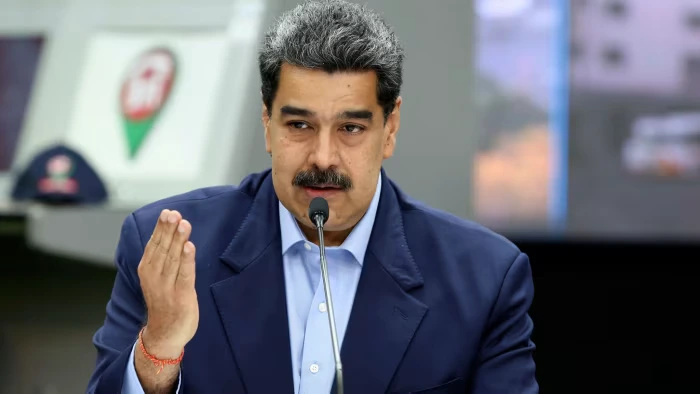
Hyperinflation has devalued the currency, and shortages of basic goods persist. The once-thriving oil industry has crumbled due to mismanagement.
Venezuela’s Crisis and Regional Responses
Millions of Venezuelans have fled the country seeking better opportunities. Brazil’s opposition to Venezuela’s BRICS membership reflects growing regional concerns about Maduro’s governance.
President Lula da Silva’s government has taken a cautious approach, initially hoping to mediate but growing increasingly critical of Maduro’s actions. Maduro’s accusation against Brazil appears to be an attempt to deflect attention from internal problems.
The Venezuelan leader consistently blames foreign powers for his country’s woes, a rhetoric that resonates with core supporters but fails to address root causes.
The BRICS group has been considering expansion, but Venezuela’s bid faced opposition from several quarters. Brazil’s resistance highlights internal divisions within BRICS, with some members more willing to accommodate Maduro’s regime.
Venezuela’s diplomatic isolation has deepened as more countries recognize its democratic backsliding. The United States and European Union have imposed targeted sanctions on Venezuelan officials.
Regional organizations have condemned Maduro‘s actions, straining Venezuela’s relations with neighboring countries. The ongoing crisis in Venezuela has significant implications for regional stability.
The exodus of Venezuelans has strained neighboring countries’ resources, while criminal organizations have exploited the chaos.
As Maduro clings to power, the international community remains divided on how to promote democratic change in Venezuela.
More: Brazil news in English, every day from The Rio Times.
This article was drafted with automated assistance and reviewed before publication. How we use AI · Report an error
In depth
Read More from The Rio Times