US weapons development delays prompt concerns on military preparedness
Significant delays in the development of critical weapons systems have raised concerns about the competitive edge of the United States in a period of increasing geopolitical tension.
Over half of the Pentagon’s key arms initiatives are behind schedule, mainly due to inconsistent implementation of commercial practices in acquisition programs.
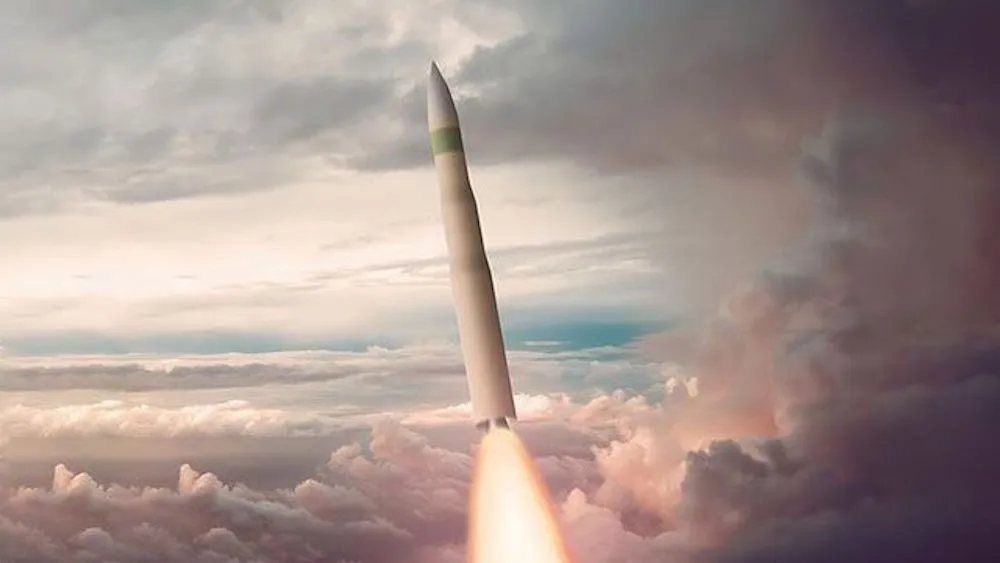
These delays affect promising weapons systems like the LGM-35A Sentinel intercontinental ballistic missile (ICBM) and Zumwalt-class destroyers.

Challenges like staff shortages, clearance processing delays, and IT infrastructure and supply chain disruptions have caused setbacks in the LGM-35A Sentinel program, according to a report from the US Government Accountability Office (GAO).
Due to testing and integration challenges, The US Navy may delay deploying its first hypersonic weapons on Zumwalt-class destroyers.
If these issues persist until 2025, it could result in extended ship maintenance periods.
The US land-based nuclear deterrent also requires an upgrade due to the obsolescence of key components and new nuclear threats from competitors.
As a result, there’s an increasing push towards developing the LGM-35A Sentinel ICBM to rejuvenate the US nuclear capability by 2026.
Compared to continuous modernization efforts by allies such as France and the UK, the US nuclear arsenal is slowly becoming outdated.
Simultaneously, potential adversaries like China, Iran, North Korea, and Russia are enhancing their nuclear programs and exploring hypersonic delivery systems.
The aging US fighter force, with an average jet age of around 32 years, faces its own challenges.
High upgrade costs for aging F-22s and limited pilot flying time highlight concerns about the readiness of the US military.
The 2022 Heritage Foundation report suggests that the current US military may struggle to handle two simultaneous major regional conflicts, emphasizing the need for strategic improvements.
This article was produced by The Rio Times’ automated newsroom system. How we use AI · Report an error · Editorial responsibility: Matthias Camenzind, Editor-in-Chief
Read More from The Rio Times