Europe Intelligence Brief — Thursday, November 19, 2026
Executive Summary
Europe Intelligence Brief for November 19: Spain debates tonight, Serbia’s parliament has no premier yet, and the UK–EU summit opens Friday.
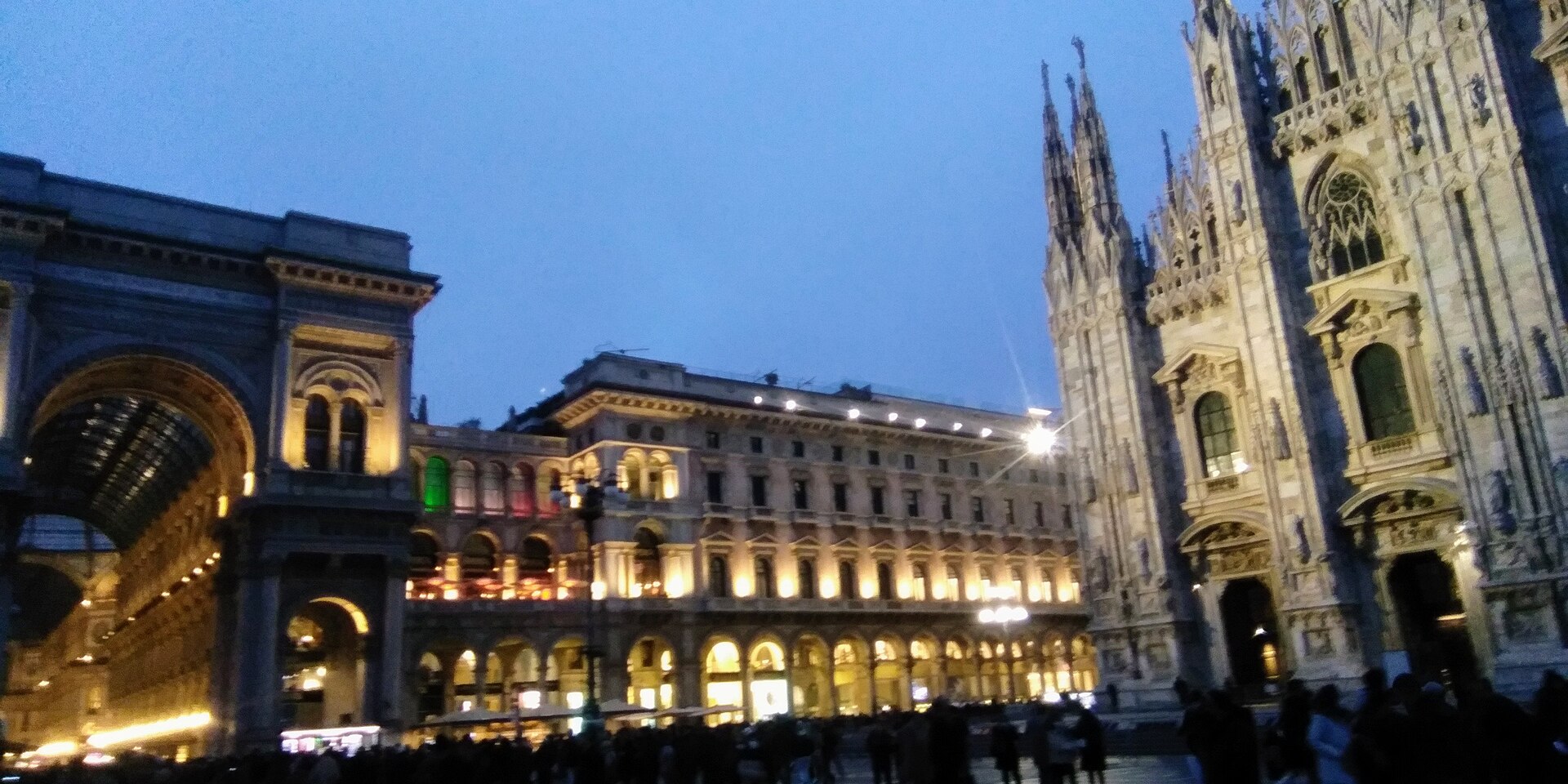
Europe wakes on Thursday in a mood of impatient waiting. Its leaders are about to meet, its voters are about to vote, and its shoppers are still counting the cost of energy.
The register is tired rather than frightened. Strikes are thinner, polls move by a point or two, and the loudest scenes are in television studios and assembly halls, not on the streets.
The through-line is that Europe is rehearsing decisions it has not yet made. Friday’s summit in Brussels, Spain’s vote on 29 November and the unformed cabinet in Belgrade each ask who may speak for whom.
Key Facts
Summit. Prime Minister Andy Burnham meets EU leaders in Brussels on Friday 20 November.
Debate. Spain’s prime minister Pedro Sánchez and challenger Alberto Núñez Feijóo debate tonight at 4:00 p.m. ET.
Belgrade. Serbia’s parliament was sworn in on 17 November, and no prime minister has been named.
Prices. .
.
Brussels And London: A Summit Waits
Britain’s Office for National Statistics said UK inflation edged up to 3.6 percent from 3.5 percent, a touch below the 3.7 percent forecast. That calm backdrop frames Friday’s second UK–EU summit, where Burnham meets European Council President António Costa and Commission President Ursula von der Leyen on security, illegal migration, crime and red tape for farmers and food firms.
Madrid: One Night To Debate, Ten Days To Vote
Sánchez and Feijóo meet tonight at 10:00 p.m. in Madrid, which is 4:00 p.m. ET, in a debate run by Spain’s Academy of Television and moderated by María Casado. Housing, the economy, corruption and migration are on the list.
Belgrade: A Parliament Sworn In, A Leader Missing
Serbia’s new National Assembly was constituted on Tuesday 17 November after all 250 mandates were confirmed and deputies took the oath. The Student List, the movement that grew out of the protests, holds 140 seats, while Aleksandar Vučić, the former president, now sits among the opposition.
We could not confirm that a speaker has been elected, and no prime minister has been named. The majority has 90 days to form a government, and the mood is of a movement that has won the building but has not yet shown its cabinet.
Paris: The Streets Thin, The Anger Stays
France’s Interior Ministry counted 146,000 marchers on Tuesday 17 November, while the CGT, a large trade union confederation, claimed more than 500,000. Fewer than 3 percent of state civil servants struck, against nearly 10 percent on 5 November.
The crowds are thinner, but the argument over pay and prices has not ended, and each side now fights over the count as much as the cause. Ifop, a French polling firm, said on 3 November that the 2027 presidential race is settling into a duel between Marine Le Pen of the National Rally and the left’s Jean-Luc Mélenchon.
Moscow: The Door Stays Ajar
We have found no announced date or venue for the next round. The Kremlin has also not confirmed the account of US envoy Jared Kushner that Russia agreed to include Europe, so Europe has an open door with no room behind it yet.
What Prediction Markets Say
What This Means From Latin America
Europe’s energy-driven inflation and its crowded political calendar both reach the Americas through trade and capital. In our reading, a Europe distracted by strikes and elections has little appetite for ratifying the EU–Mercosur trade agreement with Brazil, Argentina, Uruguay and Paraguay.
For exporters of beef, soy and sugar, delay is the safer planning assumption. Cheaper European energy, if a Ukraine settlement ever arrives, would show first in fertiliser costs for farmers in Brazil and Argentina.
The through-line for readers in the Americas is that Europe is rehearsing decisions it has not yet taken. Each of the stories above, from a Spanish campaign to a Serbian parliament without a prime minister, is a negotiation still in progress rather than a result.
That matters for planning, because outcomes that look settled in a headline often reopen a week later. Our advice is to read this week’s European news as a set of open questions, and to expect the answers to arrive after the votes, summits and deadlines listed below.
One practical consequence follows for investors and travellers with European exposure. Calendar risk is concentrated in the next ten days, so any decision that can wait until after 29 November carries less uncertainty than one made today.
What We Are Watching
- Thursday 19 November, 4:00 p.m. ET: Spain’s Sánchez–Feijóo debate — Housing, the economy, corruption and migration are the announced themes.
- Friday 20 November, 2:00 a.m. ET: UK retail sales for October — The forecast is 0.0 percent on the month after a fall of 0.4 percent.
- Friday 20 November: UK–EU summit in Brussels — Burnham meets Costa and von der Leyen on security, migration and red tape.
- Monday 23 November, 4:00 a.m. ET: eurozone flash business surveys for November — They show whether factories and service firms feel the energy squeeze.
- Sunday 29 November: Spain’s general election — Voters choose the 350-seat Congress, and 176 seats make a majority.
- Date open: Serbia’s speaker and prime minister — The Student List has 90 days from 17 November to form a government.
Background: the EU 2028–34 budget holdouts explained.
Background: the EU–Mercosur trade agreement explained.
Frequently Asked Questions
When is the UK–EU summit and what is on the agenda?
The second UK–EU summit is in Brussels on Friday 20 November. The agenda covers security, illegal migration, crime and cutting red tape for farmers and food businesses.
What do polls say about Spain’s 29 November election?
Spain votes on 29 November, and 176 of the 350 seats in Congress make a majority. Prediction markets, which are bets rather than polls, currently favour the conservative People’s Party to win, as set out above.
Has Serbia’s new parliament chosen a prime minister?
Not yet. The parliament was constituted on 17 November, and the Student List has 90 days to form a government.
How high is inflation in Europe?
UK inflation edged up to 3.6 percent from 3.5 percent, according to Britain’s Office for National Statistics. That is a little below the 3.7 percent forecast, so it does not change the mood at Friday’s summit.
This article was produced by The Rio Times’ automated AI newsroom. Editorial responsibility: Matthias Camenzind, Publisher and Editor-in-Chief. The Rio Times also runs Ask Rio Times, which answers from 100,000+ of our own articles, the daily Latin America Power Map, and prediction-market odds on elections and markets.. How we use AI · Report an error
LatAm Markets: Live Signals → — real-time movers, turnover leaders and FX across Latin America.
Read More from The Rio Times