Uruguay’s Largest Organ Transforms Salto Cathedral Into a Cultural Hub
Cultural Heritage & Investment
Key Facts
—The instrument. A Swiss-built Kuhn organ with 2,500 pipes, 37 registers, and three manuals, weighing almost nine tons.
—The location. Installed in the Catedral Basílica San Juan Bautista in Salto, northwestern Uruguay.
—The value. Estimated at about US$1.5 million, donated by a Swiss parish and installed at a local cost exceeding US$60,000.
—The transformation. Turned a previously silent cathedral into a national centre for concerts, liturgy, and university-level music education.
—The network. A twin Swiss organ is planned for Montevideo’s Santuario Nacional del Cerrito de la Victoria, creating a national organ circuit.
Uruguay’s largest organ, a Swiss-built Kuhn masterpiece valued at about US$1.5 million, has arrived in Salto and turned a once-silent cathedral into a national cultural and educational landmark.
A Swiss Giant Finds a Home in Uruguay’s Interior
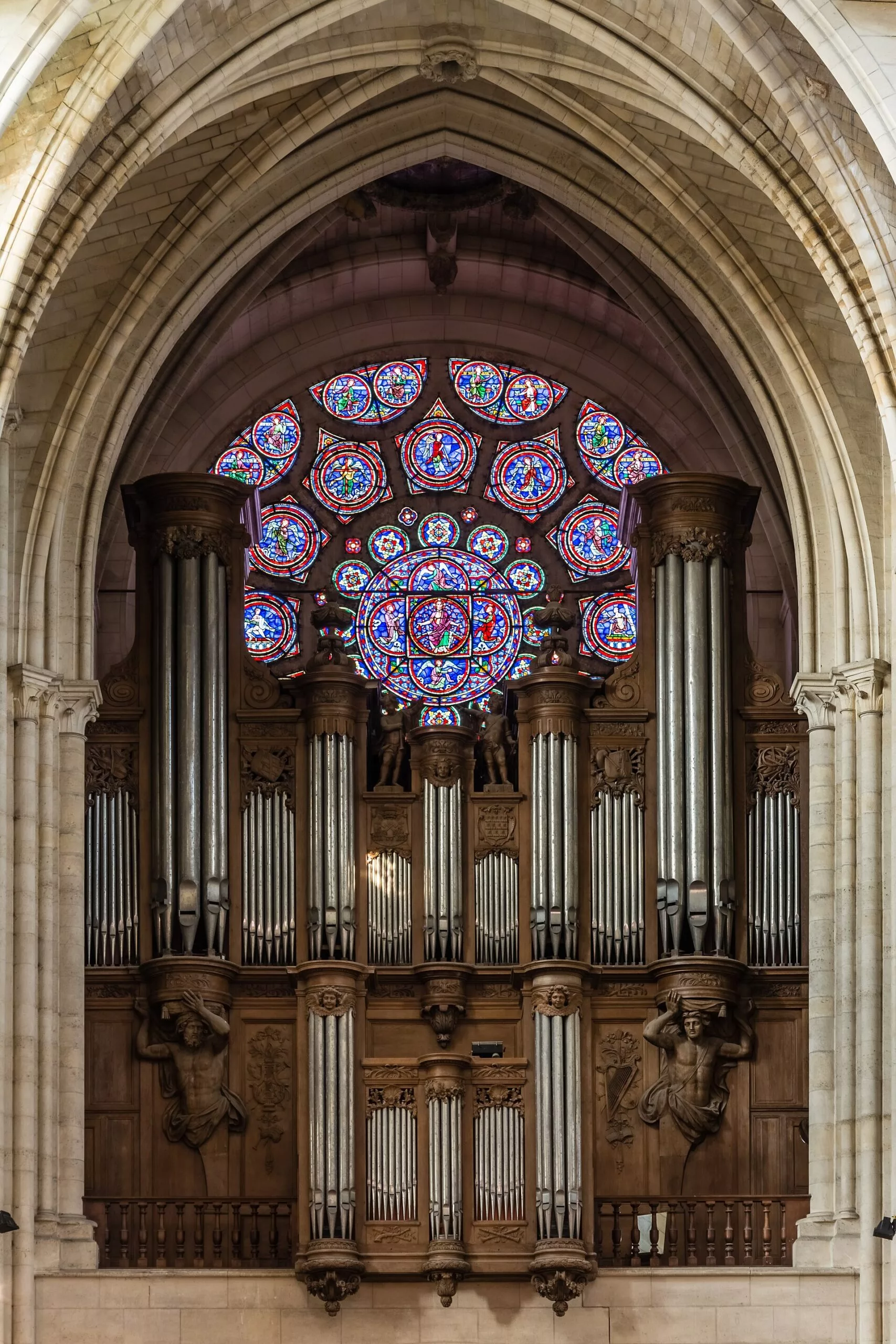
The Catedral Basílica San Juan Bautista in Salto now houses an instrument of extraordinary scale. Built in 1950 by the prestigious Swiss workshop Orgelbau Kuhn, the organ contains approximately 2,500 pipes spread across 37 registers.
It weighs almost nine tons and features three manual keyboards plus a pedalboard. Institutional sources and Uruguayan musicologists confirm it is the largest pipe organ in the country, surpassing any instrument in Montevideo.
The organ arrived as a donation from the Parish of the Sagrado Corazón in Lenzburg, Switzerland. Organ builder Mario d’Amico, who oversaw the installation, stated the instrument carries a market value of about 1.5 million US dollars.
How Uruguay’s Largest Organ Changed the Cathedral
The cathedral had long reserved a space for a grand organ but never completed the project. The Kuhn instrument finally fulfilled the original architectural design, giving the choir area a commanding visual presence.
Fitting the organ required structural reinforcements. Local architects Adriana Durán and Christian Kutscher adapted the narrower Salto cathedral to support the instrument’s weight, modifying both the space and the organ itself.
Acoustically, the transformation is profound. D’Amico described the cathedral as previously “mute” — without its own large instrumental voice.
Now the 2,500 pipes make the building’s walls resonate during Masses and concerts.
The Million-Dollar Gift and Its Real Costs
While the organ itself was a gift, bringing it to Salto was not free. Transport, carpentry, technical work, and logistics cost over 60,000 US dollars, funded through local campaigns and diocesan resources.
A separate fundraising push sought an additional US$15,000 to complete the final carpentry, electronics, and voicing stages. The total local investment, while modest compared to the instrument’s value, represents a significant commitment for a regional city.
The replacement cost of a comparable new Kuhn organ — around 1.5 million US dollars — underscores what Salto has gained. The Swiss parish in Lenzburg spent a similar sum on its own replacement instrument, confirming the market range for cathedral-scale organs.
From Local Parish to National Music Hub
The organ’s impact extends well beyond Sunday worship. It will anchor the Festival Internacional de Órgano del Uruguay, drawing top international organists to Salto for regular concerts.
The instrument also serves as a pedagogical tool for the Escuela Universitaria de Música. This is the only branch of Uruguay’s Facultad de Artes located outside Montevideo, and it now has a world-class teaching instrument.
Plans are underway to bring regular organ teachers to Salto, training a new generation of Uruguayan organists. The inauguration has been framed by cultural authorities as a “hito cultural” — a cultural milestone for the nation’s musical heritage.
Montevideo Joins the Organ Network
Salto’s organ is not an isolated project. A separate Swiss instrument with about 2,500 pipes and 35 registers is destined for the Santuario Nacional del Cerrito de la Victoria in Montevideo.
That organ, conceived as virtually a twin to Salto’s, will feature electronic transmission. Together, the two instruments will form the backbone of a national organ network spanning Uruguay’s interior and capital.
The broader project aims to expand Uruguay’s musical infrastructure through major pipe organs. For investors and expats watching Uruguay’s cultural sector, this signals growing institutional commitment to heritage assets with long-term tourism and educational returns.
What the Salto Organ Means for Uruguay’s Cultural Economy
The arrival of Uruguay’s largest organ in a regional city rather than the capital reflects a deliberate decentralisation of cultural investment. Salto, already home to the university music school, now possesses an asset that can draw visitors, students, and performers year-round.
International organ festivals generate niche but loyal tourism. Cities like Haarlem, Toulouse, and Freiberg have built reputations — and hotel bookings — around their historic instruments.
For Uruguay, a country of 3.4 million people, a US$1.5 million donated asset of this calibre represents a meaningful addition to the national cultural balance sheet. The ongoing costs are manageable, while the prestige and programming potential are substantial.
More: Uruguay news in English, every day from The Rio Times.
Frequently Asked Questions
What makes this organ Uruguay’s largest?
The Kuhn organ in Salto’s cathedral contains approximately 2,500 pipes across 37 registers, weighs almost nine tons, and features three manual keyboards plus a pedalboard. Uruguayan musicologists and institutional sources confirm no other pipe organ in the country matches its size and specifications.
How much did the Salto cathedral organ cost?
The instrument itself was donated by a Swiss parish and is valued at about US$1.5 million. Local installation costs exceeded US$60,000 for transport, carpentry, and technical work, with additional fundraising for final voicing and electronics.
Will Montevideo get a similar organ?
Yes. A separate Swiss organ with about 2,500 pipes and 35 registers is planned for the Santuario Nacional del Cerrito de la Victoria in Montevideo.
Together with Salto’s instrument, it will form part of a national network of major pipe organs for concerts, liturgy, and education.
This article was produced by The Rio Times’ automated newsroom system. How we use AI · Report an error · Editorial responsibility: Matthias Camenzind, Editor-in-Chief
Expat Guide to Uruguay
What The Rio Times publishes for foreigners who live in or move to Uruguay.
Start here
- Best Places to Live in Uruguay for Expats 2026, Ranked
- Cost of Living Punta del Este 2026: Half Again Above Montevideo
- Uruguay vs Paraguay for Expats in 2026: Cheap Living or a Tax Holiday
- Uruguay Residency Visa Rules and the 12 Percent Tax on Foreign Income
City guides
Coming up in Uruguay
- Camilo in Montevideo, Uruguay: Colombia's Pop Star at the Antel Arena on October 28, 2026 28 Oct
- Antel Campus Party Hits Montevideo, Uruguay 30–31 Oct 30 Oct
- Soy Luna Plays Montevideo on 17 November 2026 17 Nov
- El Plan de la Mariposa Montevideo, Uruguay: Antel Arena Debut on 19 November 19 Nov
Understand Uruguay