U.S. Restores Historic Tinian Airbase as Strategic Asset Amid China Rivalry
The United States is investing $409 million to restore the historic North Field airbase on Tinian Island, a critical World War II site in the Pacific.
This move reflects a strategic pivot in U.S. military operations, driven by rising tensions with China and the need to bolster defense capabilities in the Indo-Pacific region.
Tinian, part of the Northern Mariana Islands and located 193 kilometers from Guam, was once a key military hub. During World War II, its North Field airbase launched the B-29 bombers that dropped atomic bombs on Hiroshima and Nagasaki.
After decades of neglect, the airfield is being rebuilt to address modern challenges, particularly the growing threat posed by China’s advanced missile systems like the DF-26 “Guam Killer.”
The project aligns with the Pentagon’s Agile Combat Employment (ACE) strategy, which emphasizes dispersing forces across smaller, flexible bases to reduce vulnerabilities.
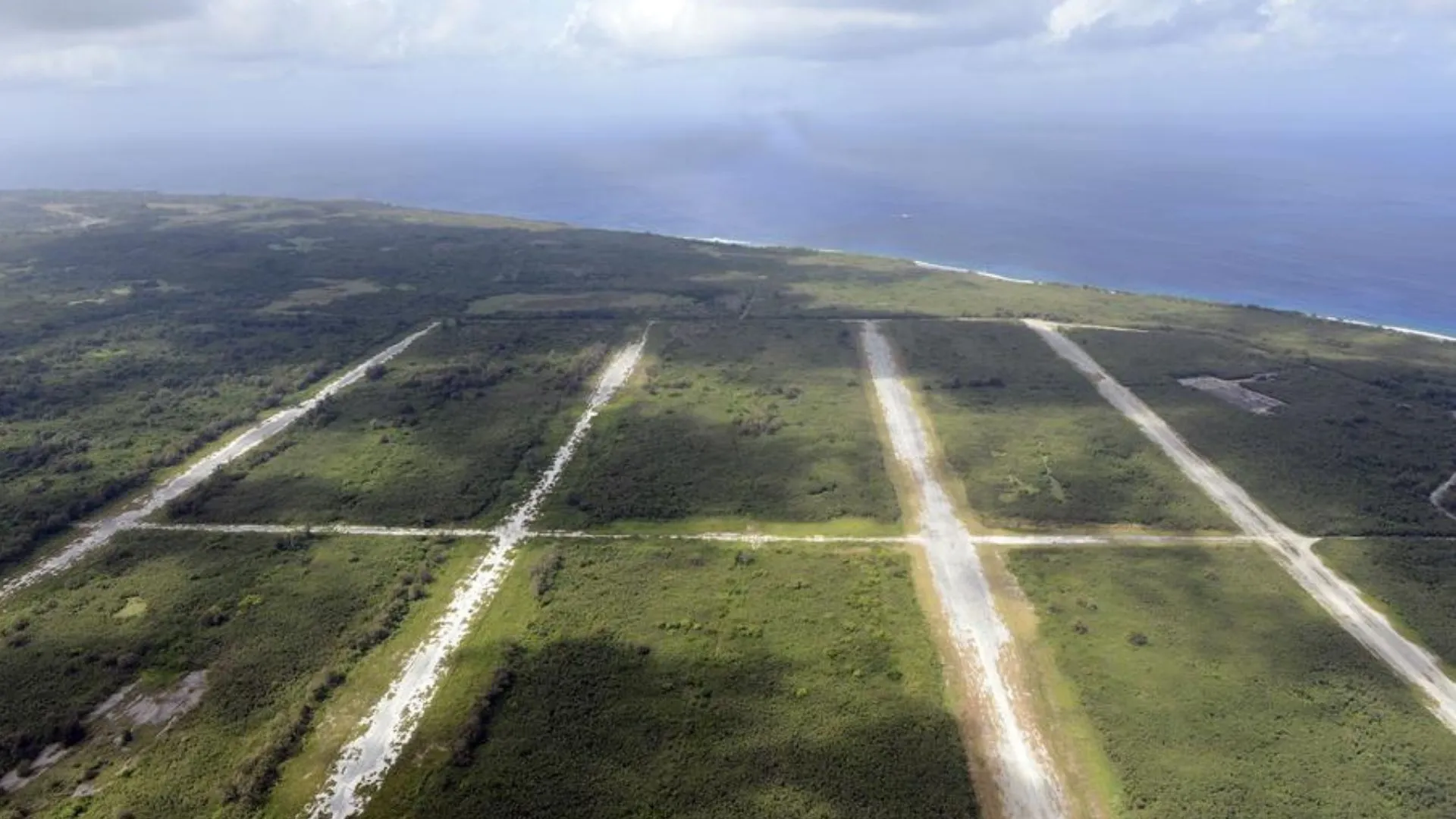
The revitalized airbase will feature four 2.6-kilometer runways capable of supporting advanced aircraft such as F-35s, bombers, and refueling planes.
Its proximity to Guam makes it a critical backup for Andersen Air Force Base, ensuring operational continuity in case of attacks or natural disasters.
This restoration is part of broader U.S. investments in Tinian, including $450 million for a Divert Airfield project and $700 million for port upgrades. These initiatives aim to strengthen military readiness while enhancing disaster relief capabilities.
The timing underscores escalating U.S.-China tensions. Beijing’s growing influence in the South China Sea and Pacific islands has prompted Washington to reinforce its regional presence.
By reviving Tinian’s North Field, the U.S. is not only preserving a site of historical significance. It is also addressing critical strategic needs in an increasingly contested Indo-Pacific region.
This article was produced by The Rio Times’ automated newsroom system. How we use AI · Report an error
Read More from The Rio Times