Trump Weighs Tariff Relief for Agriculture as Trade Tensions Escalate
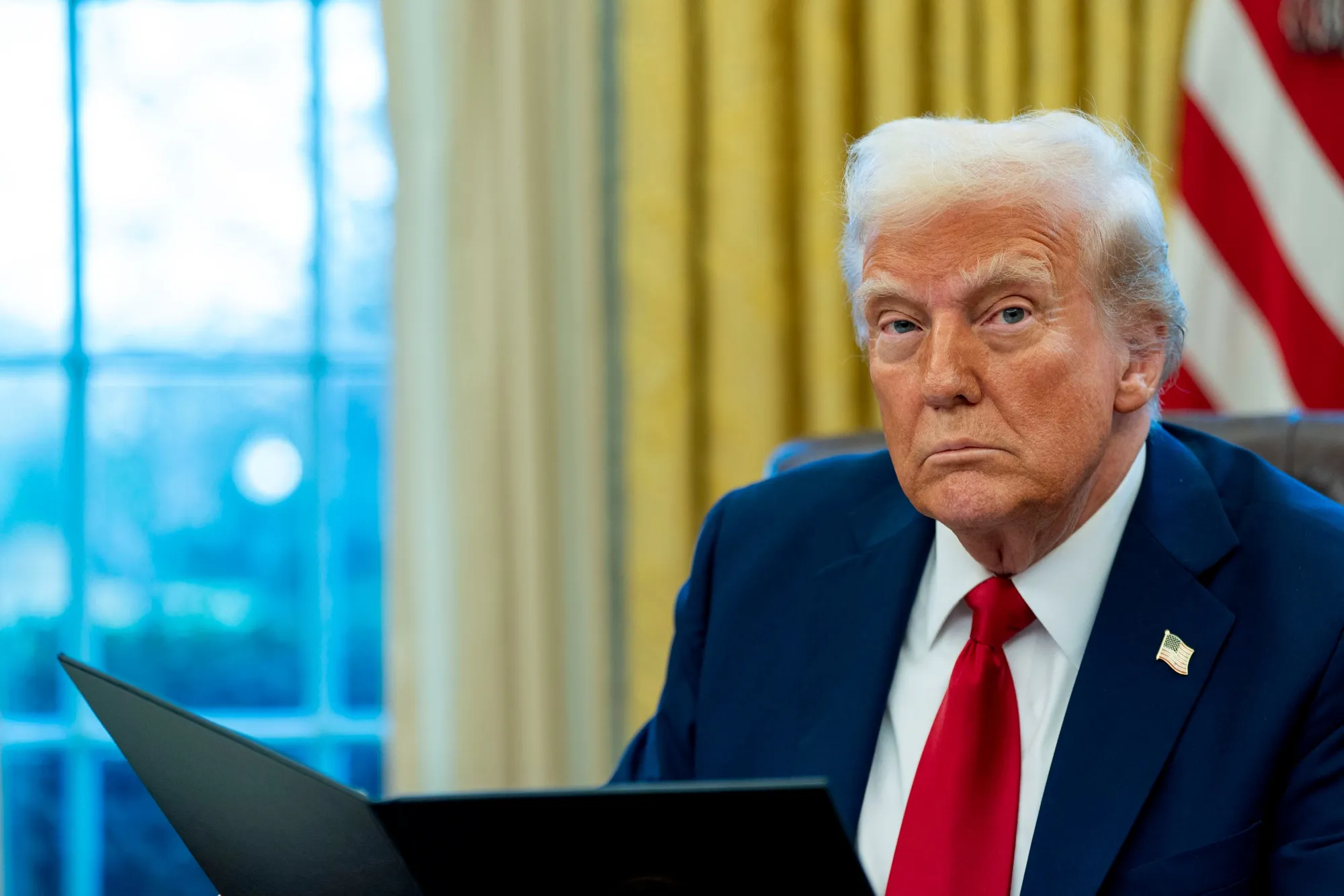
President Donald Trump is considering exempting key agricultural products from the 25% tariffs imposed on imports from Canada and Mexico.
These tariffs, implemented on March 4, are part of a broader strategy to pressure trading partners on issues like immigration and fentanyl trafficking. The measures have sparked backlash from lawmakers and industry groups.
They warn of rising costs and supply chain disruptions for American farmers. Agriculture Secretary Brooke Rollins confirmed discussions about potential exemptions for products like potash, a critical fertilizer ingredient essential to U.S. farming.
Canada supplies 85% of the potash used in the United States, with Saskatchewan alone exporting over $11.72 billion worth last year. Lawmakers argue that exempting potash and other agricultural inputs could prevent food inflation and protect struggling farmers already facing declining revenues.
The tariffs have triggered swift retaliation. Canada imposed duties on over $109.08 billion worth of U.S. goods, while China increased tariffs on American exports like soybeans, pork, and beef from 10% to 20%.
The Strain on Mexico-U.S. Agricultural Trade
Mexico has also pledged countermeasures but has yet to announce specifics. These actions have further strained the agricultural sector. It is grappling with rising input costs and three consecutive years of declining revenues on major crops.
The U.S. agricultural trade deficit has now reached a record $49.95 billion this year. On Wednesday, Trump delayed tariffs on automotive imports from Canada and Mexico for one month after industry executives requested more time to adjust.
This decision has raised hopes among farming advocates that similar relief could follow for agriculture. Rollins expressed optimism about providing support to farmers, stating that “everything is on the table.”
Despite these discussions, Trump remains firm on his tariff strategy. He acknowledges the disruption but emphasizes its necessity to bolster domestic industries. Farmers now await clarity on whether exemptions will ease their burden or if trade tensions will deepen further.
This article was produced by The Rio Times’ automated newsroom system. How we use AI · Report an error · Editorial responsibility: Matthias Camenzind, Editor-in-Chief