36 Companies Drive Half of Global CO₂ Emissions in 2023, Report Finds
A report from InfluenceMap reveals that just 36 fossil fuel companies were responsible for over 20 billion tons of carbon dioxide (CO₂) emissions in 2023, accounting for more than half of global fossil fuel-related emissions.
The analysis highlights the outsized role of a small group of state-owned and investor-owned firms, including Saudi Aramco, ExxonMobil, Shell, and Coal India, in driving climate change.
Saudi Aramco alone contributed 4.4% of global CO₂ emissions last year. If it were a country, it would rank as the fourth-largest polluter globally, behind China, the United States, and India.
ExxonMobil’s emissions were comparable to those of Germany, the world’s ninth-largest emitter. Chinese companies collectively accounted for 23% of global fossil fuel and cement emissions, maintaining their position as dominant contributors to pollution.
The findings underscore the continued reliance on fossil fuels despite international climate commitments like the Paris Agreement. Since its signing in 2015, many of these companies have expanded production instead of reducing it.
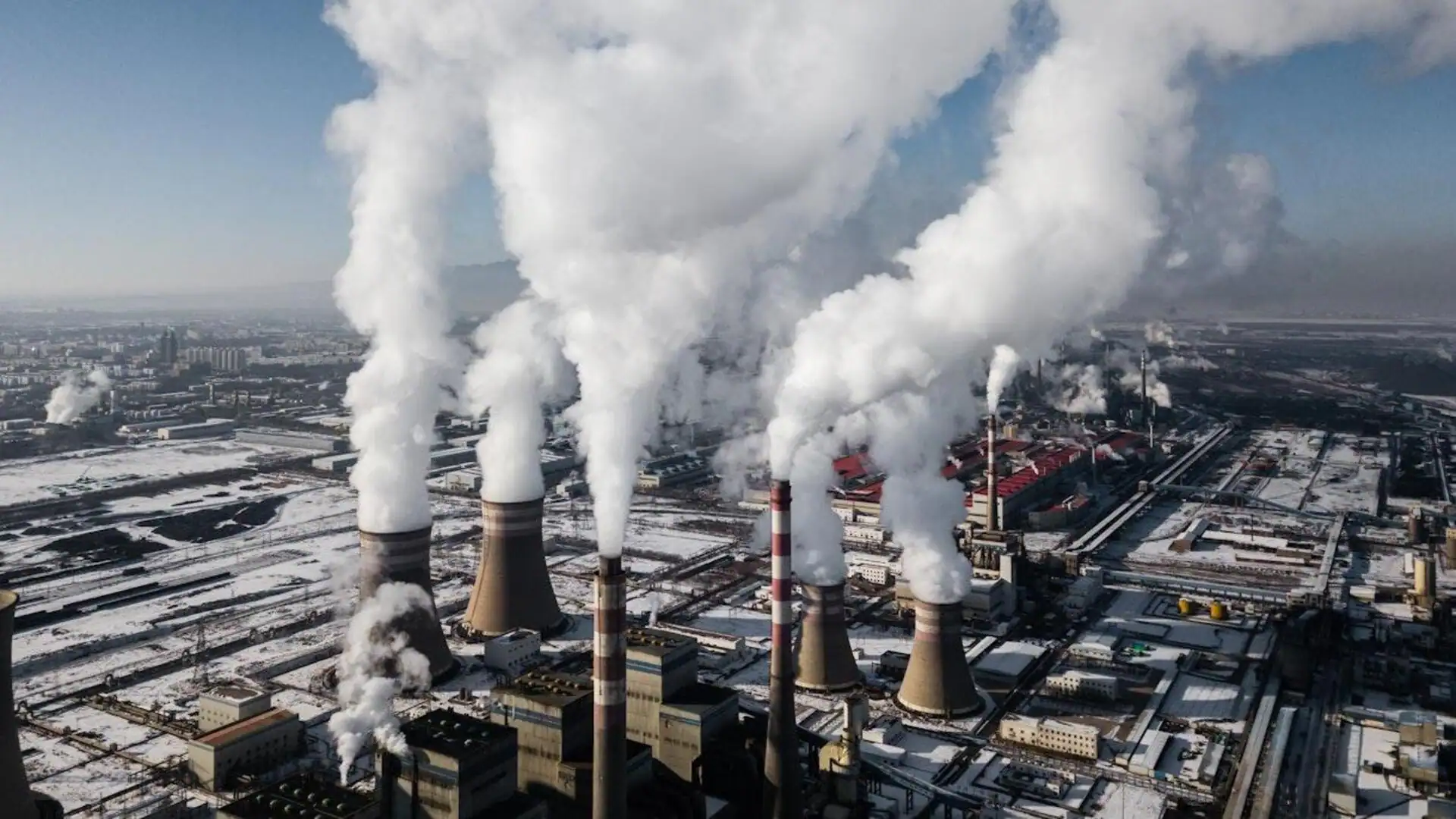
State-owned enterprises accounted for 52% of global emissions in 2023, with investor-owned firms contributing 25%. This trend contradicts the urgent need to cut global emissions by 45% by 2030 to limit global warming to 1.5°C above pre-industrial levels.
Cement Industry’s Growing Emissions
The report also sheds light on the cement industry’s growing role in emissions. Four of the five companies with the largest relative increases in emissions last year were cement producers, reflecting a significant rise in industrial carbon output.
Christiana Figueres, former head of the UN climate body during the Paris Agreement negotiations, criticized these companies for keeping the world dependent on fossil fuels without plans to scale back production.
She emphasized that transitioning to a decarbonized economy is essential to mitigate worsening natural disasters and economic losses caused by climate change. The data has fueled legal and regulatory actions aimed at holding these companies accountable for their contributions to global warming.
InfluenceMap’s database has been used in lawsuits and legislative efforts to impose stricter regulations on fossil fuel producers. The findings make clear that without systemic changes in how energy is produced and consumed, meeting global climate goals will remain out of reach.
This article was drafted with automated assistance and reviewed before publication. How we use AI · Report an error · Editorial responsibility: Matthias Camenzind, Editor-in-Chief
Read More from The Rio Times