Treme Cajun Bogotá: Cajun-Creole Meets Colombia
LIFE: Bogotá
Key Facts
—Location. A restored colonial house in Bogotá’s Quinta Camacho neighbourhood, Carrera 10A #70‑50.
—Concept. New Orleans Cajun-creole cuisine fused with Colombian ingredients, served in a jazz-bar setting.
—Leadership. Led by Colombian chef Felipe Giraldo Triana and American partner David Simpson.
—Ownership. Part of Mile High Investments Hospitality Group, which runs Bícono and El Mexican.
—Signature Dish. A gumbo adapted with local seafood, cilantro, and a lighter Colombian broth.
The Tremé Bogotá restaurant is a deliberate cultural crossing where New Orleans Cajun tradition meets Colombian produce, creating a new dining anchor in the capital’s Quinta Camacho district.
A Pandemic Idea Born in a Colonial House
The project began during the pandemic when chef Felipe Giraldo Triana and his American partner David Simpson found an emblematic colonial house in Quinta Camacho. The building’s wrought-iron details and intimate courtyards immediately evoked the architectural soul of New Orleans.
The restaurant first opened as Sazerac, named after the classic New Orleans cocktail. It later rebranded to Tremé due to trademark considerations, but the core Cajun-creole identity remained intact.
For readers unfamiliar with the term, Cajun-creole cooking is the deeply flavourful, rustic-meets-refined cuisine of southern Louisiana. It draws on French, Spanish, African, and Native American traditions, built around a “holy trinity” of onion, celery, and bell pepper rather than the carrot-based base common in classical French kitchens.
Bringing that specific heritage to Bogotá means translating not just recipes but an entire philosophy of slow-cooked, layered flavour into a new latitude.
What the Tremé Bogotá Restaurant Kitchen Actually Serves
The menu is split between New Orleans classics and original house creations. Every plate relies on Colombian seafood, local herbs, and produce to ground the flavours in Bogotá.
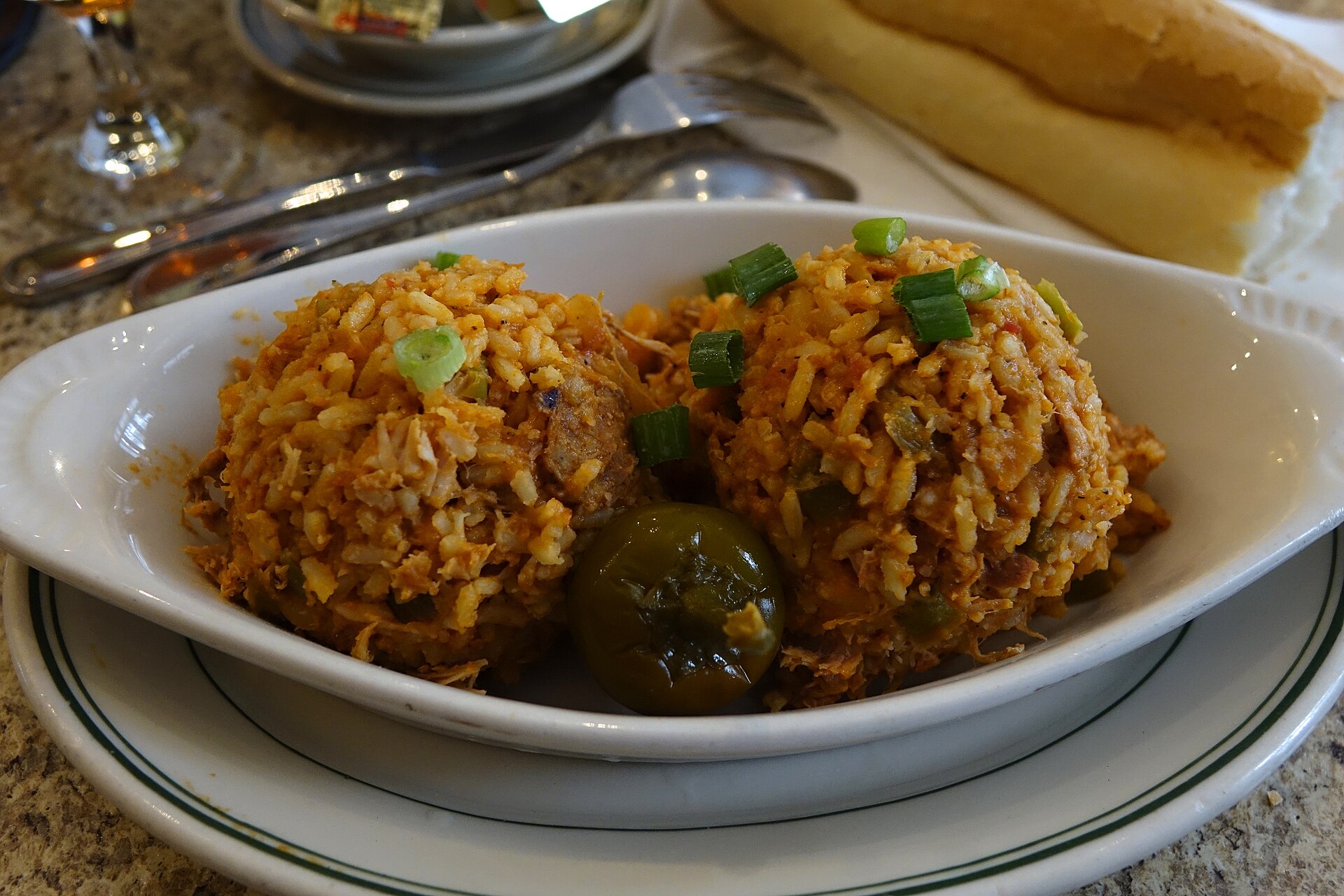
The kitchen deliberately lowers the heat level of traditional Louisiana dishes to suit the Colombian palate. It adds cilantro and lighter seafood broths, transforming gumbo and jambalaya into something familiar yet distinctly foreign.
Signature references include BBQ shrimp, rillons, and a gumbo that reviewers single out for its approachable depth. The bar programme matches this ambition with author cocktails that fuse Mexican spirits and Colombian fruit.
This adaptation strategy is worth understanding because it solves a genuine business problem. A faithful Louisiana gumbo, with its dark roux and assertive cayenne, can overwhelm a diner raised on the fresh, herb-driven profiles of Colombian coastal cooking.
By lightening the broth and introducing cilantro, the kitchen builds a bridge rather than demanding the customer cross an ocean. The result is a menu that feels adventurous without being alienating, a balance that often determines whether a foreign-concept restaurant survives its first year in a competitive market like Bogotá.
The House Cocktail That Defines the Fusion
The namesake “Tremé” cocktail is a clarified margarita-style drink built on mezcal and tequila. It incorporates cilantro and clarified guava with serrano chile, finished with a cilantro-salt rim.
This single drink captures the entire concept: Mexican spirits, Colombian fruit, and the heat profile of Cajun country. It is the liquid expression of a restaurant that refuses to be a strict replica of Louisiana.
Clarification, for those who have not encountered it behind a bar, is a technique that removes all solids from a cocktail to produce a crystal-clear liquid with a surprisingly smooth texture. It is a labour-intensive process that signals a serious bar programme, one willing to invest hours of preparation for a single drink.
That the house cocktail applies this technique to guava, a fruit deeply embedded in Colombian daily life, tells you the bar is thinking as carefully as the kitchen.
Not Just Dinner: Jazz, Architecture, and a Full Night Out
Tremé operates as an immersive cultural space rather than a conventional restaurant. Live jazz and a vibrant bar atmosphere are central to the experience, designed to transport guests to New Orleans for an entire evening.
The restored colonial architecture provides the physical backdrop. The group behind it, Mile High Investments Hospitality Group, has built a portfolio of experience-driven concepts across Bogotá, including Bícono and El Mexican.
This “full night out” model matters because it changes the economics of a restaurant. A venue that keeps guests for three hours with music and cocktails earns more per table than one that turns diners in ninety minutes.
In a city where the casual-premium segment is increasingly crowded, the ability to hold attention beyond the dessert course is a genuine competitive advantage. It also aligns with the rhythm of Bogotá social life, where dinner often bleeds into a longer evening rather than ending with the bill.
What the Tremé Bogotá Restaurant Means for the City’s Dining Map
Quinta Camacho has solidified its status as a gastronomic hub, and Tremé adds a missing piece: serious American regional cooking executed with local integrity. It sits in the upper tier of Bogotá’s casual-premium segment, attracting both locals and international residents.
For investors and expats, the restaurant signals continued confidence in Bogotá’s high-end experiential dining market. The fusion model also points to a wider Latin American trend where foreign culinary traditions are reinterpreted through strictly local supply chains.
The restaurant serves lunch, dinner, and late-night, with reservations accepted. It is built for the long evening, not the quick meal, and that format is proving durable in the post-pandemic capital.
What remains to be seen is how broadly the concept can travel. Will the kitchen eventually introduce more Colombian ingredients into the core Cajun recipes, pushing the fusion further?
Can the jazz-and-dinner format sustain midweek crowds in a neighbourhood that still relies heavily on weekend traffic? And as Mile High Investments Hospitality Group expands its portfolio, will Tremé remain a standalone cultural statement or become a template for future openings?
The answers will shape not just this restaurant’s trajectory but the wider conversation about how faithfully a foreign cuisine must be reproduced to earn a permanent place on Bogotá’s dining map.
More: Colombia news in English, every day from The Rio Times.
Frequently Asked Questions
What type of cuisine does the Tremé Bogotá restaurant serve?
Tremé serves New Orleans-inspired Cajun-creole cuisine fused with Colombian ingredients. The kitchen adapts classics like gumbo and jambalaya using local seafood, cilantro, and lighter broths to suit the Colombian palate while preserving Louisiana’s culinary identity.
Where is Tremé located in Bogotá?
Tremé is located in a restored colonial house at Carrera 10A #70-50 in the Quinta Camacho neighbourhood of Chapinero. The area is known for its growing concentration of high-end restaurants and bars.
Who is the chef behind Tremé in Bogotá?
The restaurant is led by Colombian chef Felipe Giraldo Triana, who developed the concept alongside his American partner David Simpson. The project is backed by Mile High Investments Hospitality Group, which operates several other experience-driven venues in Bogotá.
This article was produced by The Rio Times’ automated newsroom system. How we use AI · Report an error · Editorial responsibility: Matthias Camenzind, Editor-in-Chief
The Bogotá Guide
What The Rio Times publishes for foreigners in Bogotá, Colombia.
This month
Coming up in Bogotá
- Soy Luna Final Show Plays Bogotá, Colombia, on 27 October 27 Oct
- Bunbury Bogotá Concert Set for 29 October at Movistar Arena, Colombia 29 Oct
- Def Leppard in Bogotá, Colombia: Movistar Arena on November 2, 2026 — Tickets from COP 279,000 (US$70) 2 Nov
- Cypress Hill in Bogotá: Colombia Opens the South America Tour on 5 November, from COP 120,000 5 Nov
Living in Bogotá
- Cost of Living in Bogotá for Expats in
- Bogotá Studio Apartment Rent: US$400–US$525 in 2026
- Living in Bogotá as an Expat, From US$1,200 a Month
Understand Colombia