Traceability Comes for Ferrochrome: What the Buyers Enforced That Regulators Could Not
Analysis · Critical Minerals
Key Facts
- —Congo review DRC will test cobalt exports after a study estimated 2,000–5,000t uranium shipped 2000–2024 (disputed).
- —Study source Peer-reviewed estimate, not a customs total; government and Chinese firms deny it.
- —Marikana deaths 14 men died in an unlicensed chrome pit near Marikana, South Africa, in 2026.
- —EU battery rule Mandatory due diligence and battery passport for batteries sold in the EU.
- —LME sourcing Brands must follow OECD-aligned due diligence for listed metals.
- —OECD guide Global framework for responsible mineral supply chains.
- —Peru gold Illegal gold uses informal buyers and weak upstream controls.
- —Brazil garimpo Amazon garimpo relies on opaque chains of custody and document laundering.
After Congo’s uranium scare, buyer-led supply chain rules are reshaping metals trade — and ferrochrome is next.
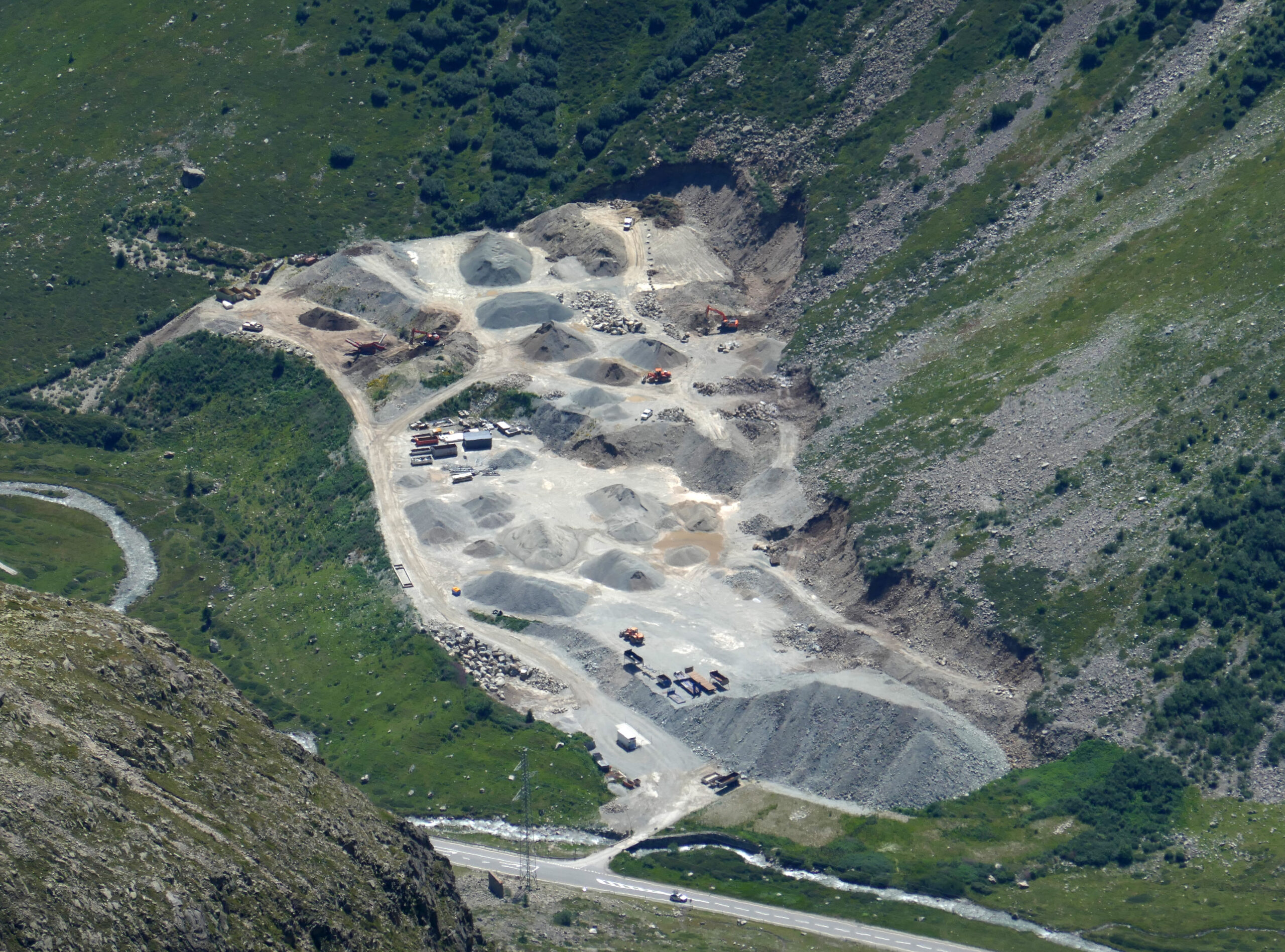
Traceability Comes for Ferrochrome as buyers enforce what regulators could not. After Congo’s uranium scare, supply chain rules are tightening faster than mining law.
The Congo Wake-Up Call: A Contested Estimate, a Real Response
In August 2026, the DRC government announced it would test cobalt exports for uranium. This follows a peer-reviewed study estimating 2,000–5,000 tonnes of natural uranium shipped with cobalt hydroxide to China between 2000 and 2024.
The estimate comes from a study published in Nature Communications, not from customs data. The researchers used trade records and historical uranium-to-cobalt ratios, but did not measure every cargo.
The DRC government disputes the methodology, saying it lacked direct cargo measurements. Chinese-owned firms deny excess uranium, and an industry body says an internal review found nothing wrong.
Yet the response is real. An interministerial group will work with the IAEA.
The dispute itself shows how a single estimate can trigger official action. This is not the first time Congo has faced such scrutiny.
A 2009 IAEA memo noted uranium in Katanga cobalt ore, calling it ‘actually exported as a by-product. ‘ That memo supported the study’s claim of undisclosed uranium, but not intentional weapons diversion.
For buyers, the message is clear: even disputed numbers can reshape policy. The DRC’s move to test exports signals that traceability is no longer optional.
What the Uranium Study Actually Says — and Doesn’t
The figure is a modeled estimate, not a verified total. Researchers used trade records and historical data, not direct measurements of every shipment.
The study’s central claim is that uranium accompanied cobalt hydroxide exports for decades. It does not prove any deliberate weapons program, but it raises legitimate safety and proliferation concerns.
The DRC government and Chinese firms have rejected the numbers, arguing that sampling was incomplete. Yet the same study also cited a 2009 IAEA memo that recognized uranium in Katanga cobalt ore.
For investors, the lesson is simple: a credible estimate can move policy, even when disputed. Don’t wait for absolute proof.
The IAEA’s role is now central. The interministerial group will coordinate with the agency, which could lead to new export controls or verification protocols.
This case shows how a single academic paper can force governments to respond. Traceability is about perception as much as reality.
Marikana’s Unlicensed Chrome Pit: A Deadly Reminder
Fourteen men died digging chrome without a licence near Marikana, South Africa, in 2026. This is the same area where police killed 34 miners in 2012.
The incident highlights informal mining’s human cost. It also shows why buyers are moving to traceability — to avoid such risks in their supply chains.
No official figures on legal cases are confirmed, but the pattern is clear. Informal chrome mining persists, and regulators struggle to control it.
Marikana has become a symbol of mining’s dark side. The 2012 massacre remains unresolved, and the 2026 deaths add another layer of tragedy.
For chrome buyers, this is a red flag. They risk being linked to unsafe or unlicensed operations, which damages their reputations and exposes them to legal action.
The lack of formal licence also means no proper safety oversight. That is exactly the kind of risk that buyer-led due diligence is designed to catch.
Buyer-Led Traceability: The Real Enforcement Mechanism
Buyers, not governments, are driving change. The EU Battery Regulation mandates due diligence and a battery passport for all batteries sold in Europe.
The London Metal Exchange requires brands to follow OECD-aligned sourcing rules. Automakers impose their own provenance and audit requirements on suppliers.
These rules work because they cut off market access. No compliance, no sales.
That is faster than any mining law reform. The OECD Due Diligence Guidance provides a global framework.
It covers conflict minerals, but is now being applied to other commodities like cobalt and chrome. The EU Battery Regulation, adopted in 2023, sets strict due diligence obligations.
By 2027, all batteries sold in the EU must have a digital passport showing their full supply chain. LME listed brands must already submit to third-party audits.
This is a template that could easily extend to ferrochrome. Automakers like Tesla and Volvo have their own supplier codes.
These often go beyond legal requirements, forcing miners to prove origin at every step.
Why Ferrochrome Is the Obvious Next Target for Traceability
Ferrochrome sits in a concentrated, price-sensitive stainless steel supply chain. It already faces ESG, sanctions, and origin-risk scrutiny.
The same buyer mechanics that hit cobalt and gold are now pointing at chrome. Expect automakers and steel buyers to demand origin proof soon.
This is not a prediction of a new regulation. It is a forecast of market behavior — and that tends to precede regulation.
Stainless steel is everywhere, from kitchen sinks to car parts. That gives buyers enormous leverage over chrome suppliers.
South Africa and Kazakhstan dominate ferrochrome production. Both have informal mining sectors that complicate traceability.
The Marikana deaths show the human cost of unlicensed chrome mining. Buyers cannot ignore that risk much longer.
Major stainless steel producers, like Outokumpu and Aperam, have already committed to sustainability goals. They will likely require origin data from their chrome suppliers.
Latin America’s Garimpo Deja Vu: What Peru and Brazil Already Know
Peru and Brazil have lived this with illegal gold. For two decades, garimpo miners used informal buyers and weak controls to launder gold.
When the state could not police mines, buyers stepped in with paperwork, assays, and refinery gates. The same is now happening for cobalt and chrome.
This parallel makes the ferrochrome story familiar to Latin American readers. You already know the winners and losers.
In Peru, illegal gold mining has devastated parts of the Amazon. Weak upstream controls allow ore to enter formal processing chains without scrutiny.
Brazil’s garimpo miners rely on opaque chains of custody and document laundering. They often sell through intermediaries who hide the true origin.
The response in both countries has been buyer-led. Refineries like Metalor and Valcambi now require detailed origin documentation from suppliers.
That same model is now reaching ferrochrome. Buyers in Europe and Asia will demand proof that chrome is not linked to informal or unsafe mining.
Who Wins, Who Loses in the Traceability Shift
Winners are compliant refiners, certified miners, and logistics firms that can prove origin. They get premium contracts and market access.
Losers are informal miners, traders, and exporters who fail due-diligence screens. They face exclusion from formal markets.
For investors, this is a signal: back companies with clean chains of custody. Avoid those without.
In Latin America, formal gold miners have benefited from traceability. They sell at a premium to certified refineries, while informal miners struggle to find buyers.
The same will happen in chrome. Companies like Glencore or Samancor, with transparent operations, will thrive.
Small unregulated pits will lose access to global markets. Traceability may also increase costs, but it offers long-term security.
Premium pricing for certified mineral products is already common in gold and cobalt. For investors, the takeaway is to examine supply chain risk before buying.
That is where the next wave of market disruption will come from.
The Investable Question: Which Commodity Gets Traceability Rules Next?
Ferrochrome is the obvious candidate, but it is not alone. Any metal with high concentration and ESG risk could follow.
Watch for buyer announcements, not just regulations. The market moves first, and regulators often follow.
For now, the lesson is clear: traceability is not a buzzword. It is a market access tool, and it is here to stay.
Other candidates include tungsten, tantalum, and tin, already covered by OECD guidance. But chrome’s scale makes it a bigger prize.
The Congo cobalt case shows how a single study can trigger global action. Similar studies could emerge for other metals with hidden risks.
Investors should look at companies that are already investing in traceability systems. Those will have a competitive edge when rules tighten.
Eventually, regulators may formalize these buyer demands. But the market is moving faster than lawmakers, and buyers are setting the pace.
More: Brazil news, every day from The Rio Times.
Frequently Asked Questions
What exactly is traceability in mineral supply chains?
It means tracking a mineral from mine to product, with documentation proving its origin. Buyers use it to ensure ethical sourcing and avoid legal risks.
Is ferrochrome really at risk of new traceability rules?
Not a formal rule yet, but buyer demands are tightening. Stainless steel makers already face ESG scrutiny, and chrome is a key input.
How does the EU Battery Regulation affect cobalt buyers?
It requires due diligence on supply chains and a battery passport. This forces buyers to verify their cobalt’s origin and uranium content.
What can investors do to prepare for traceability changes?
Look for companies with certified supply chains and clear origin data. Avoid those relying on informal or opaque sourcing.
Will traceability increase costs for consumers?
Probably some increase, but it also reduces risk. Clean supply chains may cost more, but they avoid scandals and market exclusions.
Sources: Sources: Financial Times, Lighthouse Reports, Actualite.cd, RFI, Nature Communications, EU Commission, LME, OECD.
This article was produced by The Rio Times’ automated newsroom system. How we use AI · Report an error
Read More from The Rio Times