Economy: Togo
Key Facts
- Who. Togo’s government, in a draft law that adjusts its 2026 budget.
- What. The fuel subsidy rises by 20 billion West African CFA francs (about US$34 million).
- Total. 34.2 billion CFA francs (about US$58 million), up from 14.2 billion (about US$24 million).
- Why. Oil prices have surged, and the state wants to protect household spending power.
- As of. 10 November 2026, 21:00 GMT.
Togo plans to add 20 billion CFA francs (about US$34 million) to its fuel subsidy for 2026 as oil prices surge, a move set out in its draft supplementary budget. That lifts this year’s fuel support to 34.2 billion CFA francs (about US$58 million), in the currency Togo shares with seven other West African countries.
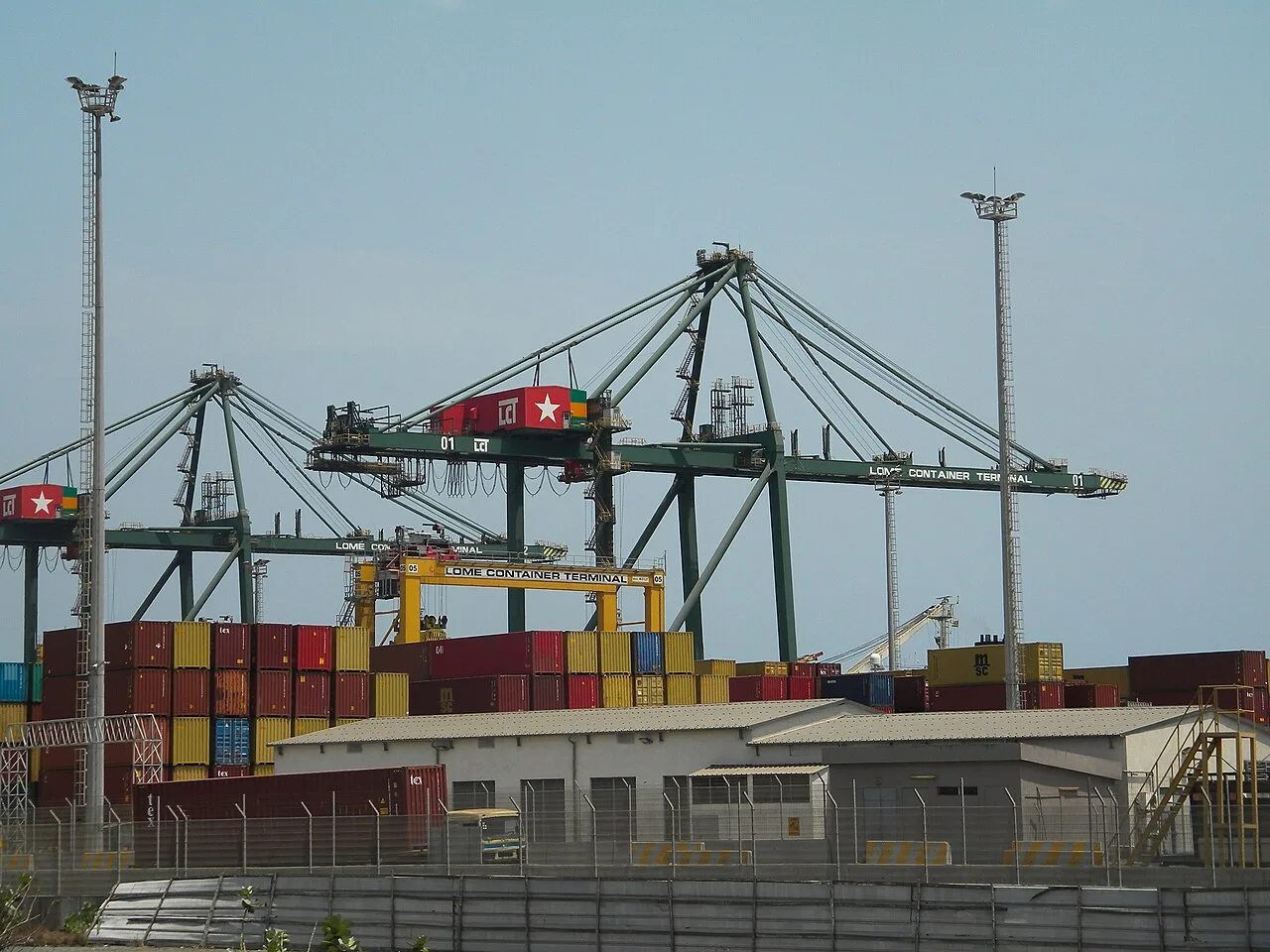
A subsidy is money the state pays so that pump prices rise less than world oil prices. Togo is a small West African country on the Gulf of Guinea, and its capital, Lomé, is a regional port hub; see our Togo explainer.
The fuel bill is growing, and the state is paying more of it so that families and businesses feel less of the oil shock.
What the Government Is Doing
The draft supplementary budget, a mid-year law that adjusts the original 2026 budget, raises the petroleum subsidy line from 14.2 billion to 34.2 billion CFA francs. That is an extra 20 billion CFA francs, or about US$34 million at about 586 CFA francs to the dollar (market rate, 9 to 10 November 2026).
The new total is above the subsidy for 2025, which was estimated at nearly 25 billion CFA francs (about US$43 million). The original 2026 budget had cut that line by more than 40% to 14.2 billion CFA francs.
Why Oil Prices Matter in Togo
The government says the extra money is meant to stop higher oil prices from pushing up transport fares, production costs and the prices of goods and services. It presents the subsidy as a way to protect household purchasing power.
Pump prices were already raised on 11 September under an interministerial order, a decision signed by several ministries. The subsidy therefore softens further pressure but does not undo that increase.
What It Means for Drivers, Firms and Investors
For drivers and transport firms in Lomé, the larger subsidy limits the risk of another quick jump at the pump. For anyone moving goods in Togo, fuel costs feed directly into freight and delivery prices.
The bigger bill also tightens a budget that originally targeted a deficit of 3% of gross domestic product (GDP, the size of the economy) in 2026. Readers who follow Togo’s finances can find more in our report on its talks at the International Monetary Fund and World Bank.
Related reading: our reports on a proposed West Africa highway and on rules for private power producers. Both give background on how Togo spends and invests.
What Is Not Known
The period covered by the extra 20 billion CFA francs has not been stated. One local report on the draft puts the 2026 deficit forecast at 3.4% of GDP, up from the original 3%, but we could not confirm that from a second source.
The amounts come from a draft law, so they could change before Parliament votes. We also could not confirm whether pump prices will change again.
Frequently Asked Questions
How much is Togo adding to its fuel subsidy?
Togo’s draft 2026 supplementary budget adds 20 billion CFA francs (about US$34 million). That takes the 2026 total to 34.2 billion CFA francs (about US$58 million).
Why is Togo subsidising fuel?
The government wants to stop higher oil prices from raising transport fares and the prices of goods and services. It says the aim is to protect household purchasing power.
Have pump prices in Togo gone up this year?
Yes. Prices were raised on 11 September 2026 under an interministerial order, and the subsidy is meant to limit further pressure.
Sources
Togo draft supplementary budget law 2026, as reported 4 and 10 November 2026; Togo 2026 Finance Law; Togo interministerial order on fuel prices, signed 10 September 2026 and in force 11 September; CFA franc market rate of about 586 per US$, 9 to 10 November 2026.
This article was produced by The Rio Times’ automated AI newsroom. Editorial responsibility: Matthias Camenzind, Publisher and Editor-in-Chief. The Rio Times also runs Ask Rio Times, which answers from 100,000+ of our own articles, the daily Latin America Power Map, and prediction-market odds on elections and markets.. How we use AI · Report an error