TCN Begins Rehabilitation of Four Vandalised Towers in Rivers State
Key Facts
- —What happened The Transmission Company of Nigeria began rehabilitating four vandalised towers on the Afam/IPP/Elelenwo 132kV double-circuit line in Rivers State.
- —The towers The damaged structures are T50, T51, T52 and T53, detected on 6 August after critical bracing members were removed.
- —The ceremony A handover ceremony for repairs was held in Port Harcourt on Tuesday, with TCN mobilising a contractor.
- —Who it hits The corridor serves Elelenwo and surrounding communities, where supply stability has been at risk.
- —The money The World Bank’s Nigeria Electricity Transmission Project is a US$486 million programme to strengthen the transmission network.
- —What comes next TCN wants the work completed quickly to restore stability to the corridor.
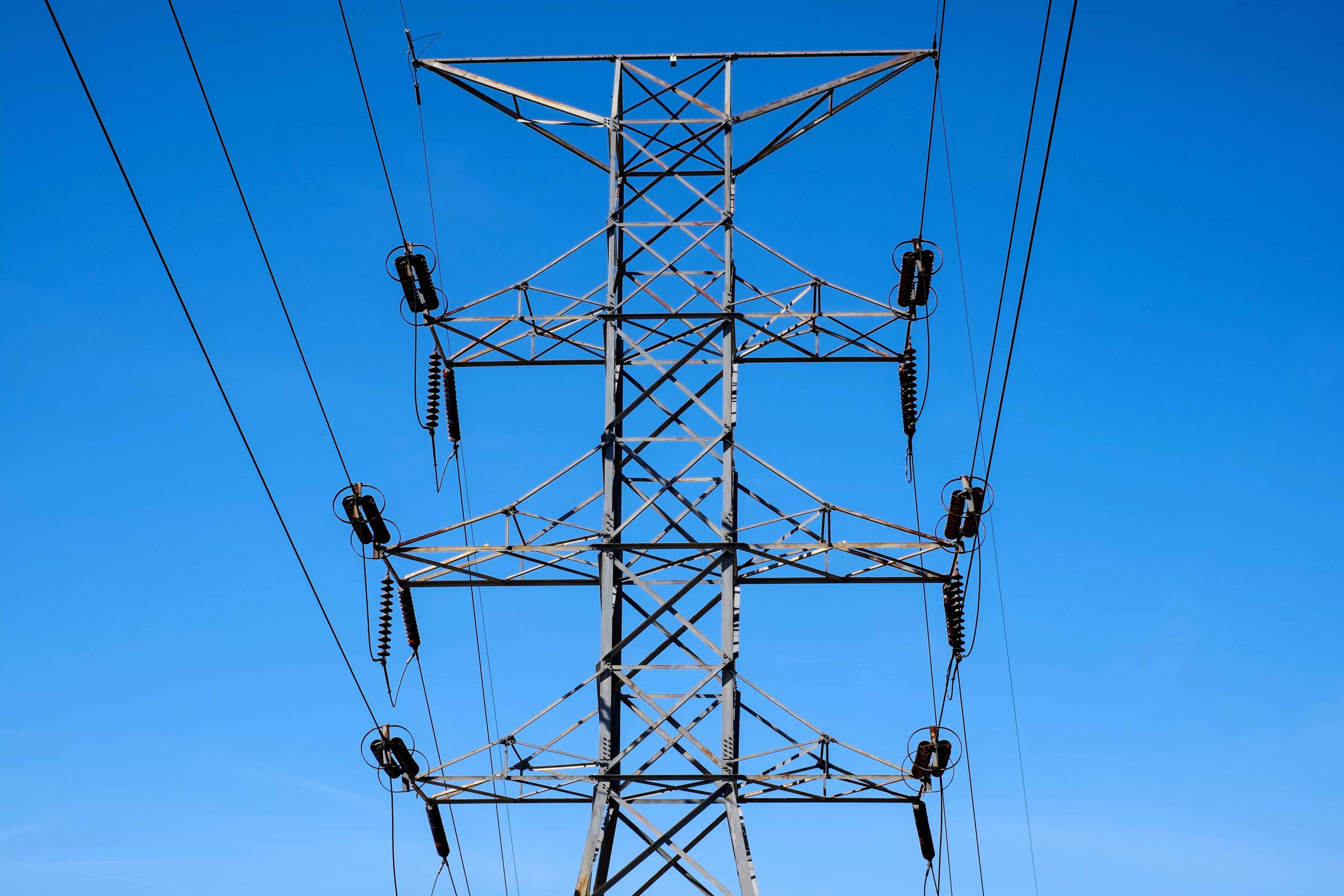
The Transmission Company of Nigeria has started rehabilitating four vandalised towers in Rivers State, moving to restore a critical 132kV line serving Elelenwo and nearby communities after bracing members were removed.
The Transmission Company of Nigeria (TCN) has begun repairing four vandalised towers on the Afam/IPP/Elelenwo 132kV double-circuit line in Rivers State. The company held a handover ceremony for the repairs in Port Harcourt on Tuesday and says it is mobilising a contractor to complete the work quickly.
What was damaged on the Afam line
The affected structures are towers T50, T51, T52 and T53. TCN detected the damage on 6 August after critical bracing members were removed from the towers.
Bracing members are steel components that keep transmission towers stable under load. Their removal weakens the structure and can lead to collapse, especially during high winds or line tension changes.
The Afam/IPP/Elelenwo corridor carries power from generation sources to communities around Elelenwo. TCN has said restoring stability to this corridor is a priority.
The security risk to Nigeria’s grid
Vandalism of transmission infrastructure is a recurring problem in Rivers State and nearby areas. Repeated attacks have caused blackouts and forced emergency repairs on lines serving both Rivers and Bayelsa states.
This corridor sits inside an oil-and-gas region that matters to domestic industry, government revenues and external investors. Damage to power lines there compounds the operational risks already facing businesses.
TCN has not publicly named who removed the bracing members. The company has focused its statements on the repair timeline and the need to restore supply.
Where the money comes from
Nigeria’s power sector has drawn major multilateral financing aimed at upgrading transmission and distribution networks. The World Bank says the country’s power reforms have focused on strengthening the financial sustainability of the sector and upgrading network infrastructure.
The Bank’s Nigeria Electricity Transmission Project is a US$486 million programme to strengthen the transmission network. The wider reform package also includes US$750 million for the Power Sector Recovery Operation and US$500 million for distribution company reforms.
These figures are World Bank commitments, not TCN spending on this specific repair. They show the scale of external capital tied to Nigeria’s grid reliability.
The great-power and regional angle
Nigeria’s grid upgrade agenda has drawn multilateral financing that is explicitly tied to power-sector viability and regional electricity trade. The World Bank links transmission investment to the broader goal of making Nigeria’s power market financially sustainable.
That makes every vandalised tower a problem beyond local supply. It weakens the case for further capital deployment into a network that already struggles with bottlenecks and losses.
The pattern fits a wider story of infrastructure under pressure across Africa’s energy corridors. Readers following that thread can find more in Africa: The New Scramble.
What the repair means for supply
TCN has not given a public completion date for the rehabilitation. The company says it wants the work finished quickly to restore stability to the corridor serving Elelenwo and surrounding communities.
Until the towers are secured, the line’s reliability remains uncertain. Any further damage could extend outages and push repair costs higher.
For residents and businesses in the affected area, the repair is a test of how quickly Nigeria’s transmission operator can respond to deliberate infrastructure damage.
What to watch next
The immediate signal will be whether TCN completes the tower rehabilitation without further incidents. A stable Afam/IPP/Elelenwo line would ease supply pressure in the corridor.
The longer-term question is whether security around transmission assets improves. Without that, multilateral financing alone cannot guarantee reliable power delivery in Rivers State.
Investors and regional planners will also watch whether the World Bank’s transmission programme accelerates in response to repeated vandalism. The US$486 million project remains a key vehicle for grid upgrades.
More: Nigeria news in English, every day from The Rio Times.
Frequently Asked Questions
Which towers were vandalised in Rivers State?
Towers T50, T51, T52 and T53 on the Afam/IPP/Elelenwo 132kV double-circuit line were damaged after critical bracing members were removed.
When did TCN detect the damage?
TCN detected the damage on 6 August and held a handover ceremony for repairs in Port Harcourt on Tuesday.
How much is the World Bank putting into Nigeria’s transmission network?
The World Bank’s Nigeria Electricity Transmission Project is a US$486 million programme to strengthen the transmission network.
Connected Coverage
Sources
This article was produced by The Rio Times’ automated newsroom system. How we use AI · Report an error · Editorial responsibility: Matthias Camenzind, Editor-in-Chief
LatAm Markets: Live Signals → — real-time movers, turnover leaders and FX across Latin America.