
SOUTH AFRICA · US TRADE
Key Facts
- The decision: The US says it will end South Africa’s AGOA duty-free trade status from Friday 1 January 2027.
- Announced: Monday 2 November 2026 by the US Trade Representative, the White House’s chief trade negotiator.
- Also removed: Rwanda, a small East African country, is dropped from the same programme on the same date.
- Reasons given: Trade barriers, corruption and threats to US national security and foreign policy interests.
- South Africa’s reply: President Cyril Ramaphosa wants a direct two-country trade deal instead, he said on Wednesday 4 November.
South Africa loses AGOA, the US law that lets African countries sell thousands of products in America without import duty, from Friday 1 January 2027. Washington announced the decision on Monday 2 November 2026, three days after we reported that the ruling was due.
For US readers, it means South African citrus, wine and car parts could cost a little more on American shelves next year. For South Africa, it is another blow in a year of strained ties with the Trump administration.
What Happened on Monday
Jamieson Greer, who leads America’s trade policy as US Trade Representative, said President Donald Trump has told Congress and both governments of his plan. He intends to end South Africa’s and Rwanda’s AGOA status on 1 January 2027.
Greer said a yearly review led by his office found both governments follow practices that are “inconsistent with AGOA’s eligibility criteria”. For South Africa, the office named barriers to US trade and investment, corruption, and threats to US national security and foreign policy.
In Plain English, Who Is Who
AGOA is the African Growth and Opportunity Act, a US law from 2000 that gives eligible African countries duty-free entry for more than 1,800 products. Congress extended it to the end of 2028 in September 2026, yet the US president still decides yearly which countries qualify.
The US Trade Representative is the cabinet-level office that negotiates trade deals and runs the annual review. Parks Tau is South Africa’s Minister of Trade, Industry and Competition, and he has led Pretoria’s talks with Washington.
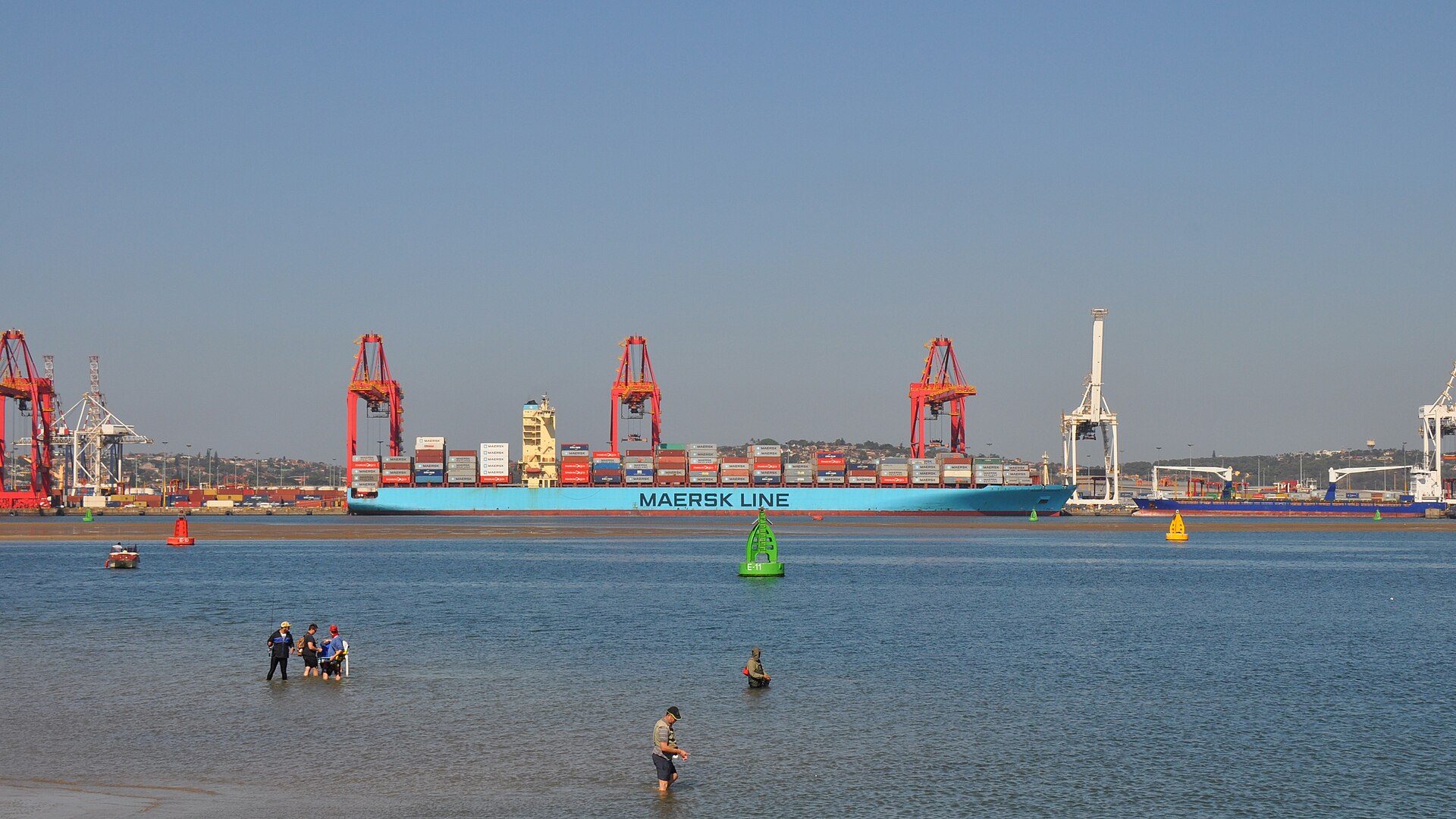
How South Africa Loses AGOA Access
Losing AGOA does not ban South African goods from the US market. It removes the zero-duty benefit, so exporters face the same tariffs as countries outside the programme.
South Africa already faces a 12.5% US tariff. Wandile Sihlobo, the presidential envoy on agriculture and land, estimates that losing AGOA adds about 3.4 percentage points, taking the total to roughly 15.9%.
What Pretoria Says Now
Ramaphosa spoke on Wednesday 4 November at his voting station, Hyde Park High School in Johannesburg, on local election day. He said the country is sad to be removed but that its trade with the US continues.
He said South Africa now wants to focus on a bilateral trade agreement, where both countries sit down and negotiate the rules. Tau had said Pretoria offered more access for poultry and pork, as we reported in South Africa Awaits US Trade Ruling Monday.
Why the Timing Hurts
The ruling adds to a run of tensions between Washington and Pretoria. Last Friday we reported that the US dropped South Africa from its G20 invitations.
Our explainer on South Africa and the United States sets out the wider quarrel over land policy, trade rules and foreign policy. The US says its concerns reach beyond tariffs, and Pretoria rejects the criticism.
What It Means for You
If you buy South African oranges, grapes, wine or fruit juice, expect small price effects as importers absorb or pass on a higher duty. Investors in car makers and fruit importers with South African supply chains should watch for company updates before January.
US farmers and meat exporters may gain from the talks, because Pretoria has already signalled it will discuss access for American poultry and pork. Travellers face no change from this trade decision.
What Is Not Known
The US announcement does not say whether a talks window runs before 1 January 2027. It also does not say what South Africa must change to be reinstated.
It is not yet clear how many jobs in citrus, wine and car parts depend on the programme. The rand stood at about R16.40 per US$1 on 5 November 2026, and no market analyst has put a figure on the damage.
More: Africa news in English, every day from The Rio Times.
Frequently Asked Questions
What is AGOA?
AGOA is a US law from 2000 that lets eligible African countries sell more than 1,800 products in the US without import duty. Congress has extended it to the end of 2028.
When does South Africa lose AGOA access?
The US says the termination takes effect on Friday 1 January 2027. The announcement came on Monday 2 November 2026.
Does South Africa lose all access to the US market?
No. South African goods can still enter the US, but without the zero-duty benefit.
Which other country was removed?
Rwanda, a small East African country, was removed in the same announcement. Washington cited trade barriers, rule of law and human rights concerns for Rwanda.
What does South Africa want now?
President Ramaphosa says South Africa wants a bilateral trade agreement, negotiated directly with Washington. He said trade with the US does not depend on AGOA alone.
Sources: Office of the US Trade Representative, statement on the intent to terminate Rwanda and South Africa from AGOA, 2 November 2026; President Cyril Ramaphosa, remarks at Hyde Park High School voting station, Johannesburg, 4 November 2026.
This article was produced by The Rio Times’ automated newsroom system. How we use AI · Report an error · Editorial responsibility: Matthias Camenzind, Editor-in-Chief