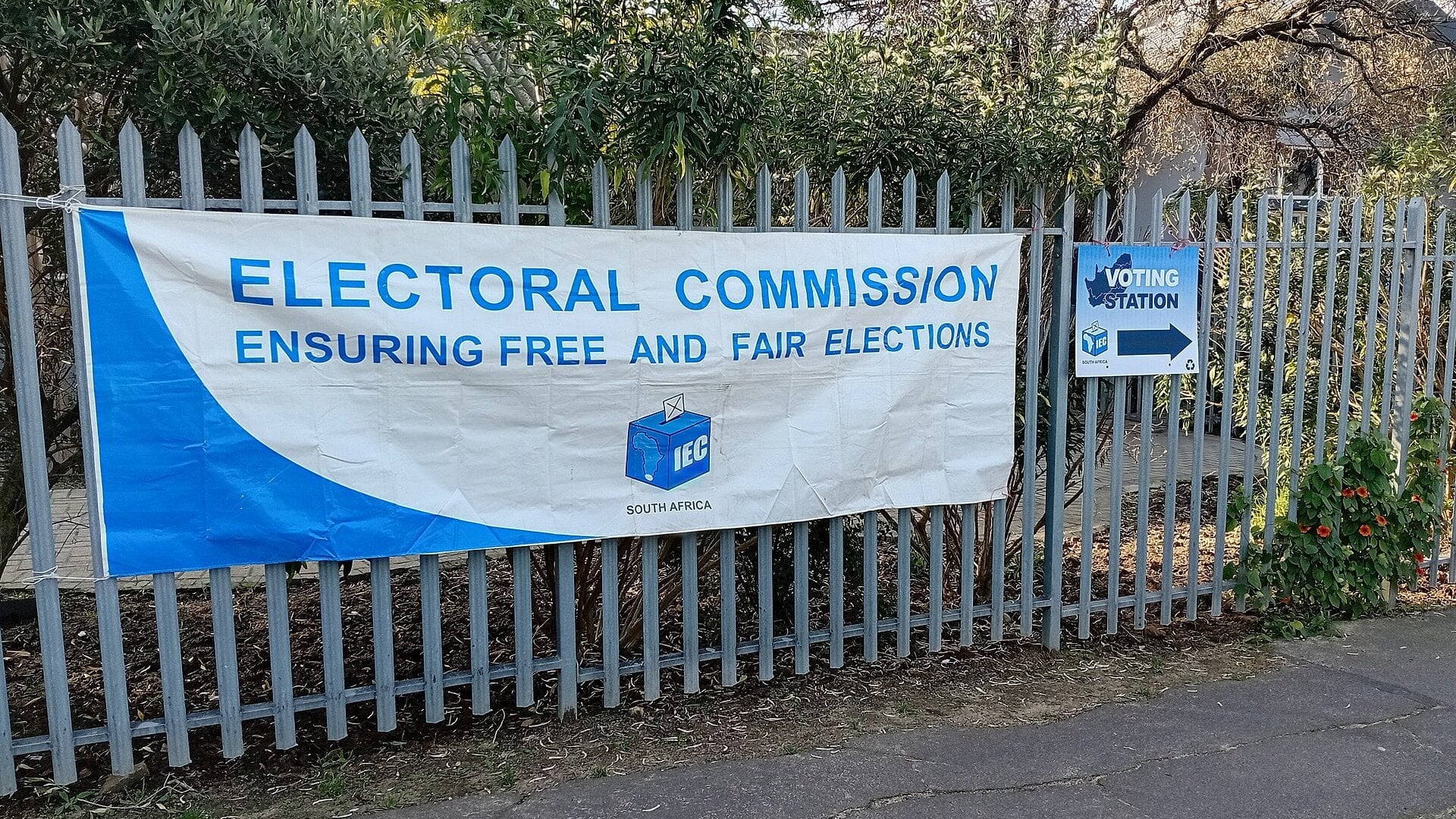
South Africa’s ruling African National Congress (ANC) opened coalition talks with its national partner, the Democratic Alliance (DA), on Sunday 15 November 2026 while reportedly weighing options that leave the DA out. The ANC says it will talk to every party, but press reports of its top body’s meeting say many members blame the partnership for the party’s weak showing in the 4 November local elections.
The outcome matters beyond town halls because the two parties also share the national Government of National Unity (GNU), the multi-party cabinet formed after the ANC lost its parliamentary majority in 2024. For US readers, a rift would test the stability of the national government.
Key Facts
- Who The ANC and its national partner, the DA, opened coalition talks on Sunday 15 November 2026.
- What The ANC’s top body met on 12 November and kept every option open.
- Votes The ANC won about 31% and the DA about 25%; 127 councils are hung, with no majority.
- Next The ANC promised a full coalition update on Tuesday 17 November 2026.
- Prediction markets Polymarket, a prediction market: ActionSA leader Mashaba 32.1%, DA’s Zille 18.5% for Johannesburg mayor (16 November, 9:00 a.m. ET).
The ANC publicly keeps every option open. Reports from inside its meeting suggest the DA may become a last resort, so the next days will show how firm that mood is.
What the Vote Left Behind
The Electoral Commission of South Africa (IEC), the independent body that runs elections, declared the results on Sunday 8 November 2026. The ANC took about 31% of the vote and the DA about 25%, ahead of the uMkhonto weSizwe (MK) Party of former president Jacob Zuma, the left-wing Economic Freedom Fighters (EFF) and ActionSA on roughly 10%, 6% and 6%.
The IEC counts 127 hung councils, where no party holds more than half the seats. In Johannesburg, Tshwane and Ekurhuleni, the three big metros of Gauteng, the province around Johannesburg, the DA won the most votes but none holds a majority, according to press reports of the results.
What the ANC Says and What Is Reported
After its Special Extended National Executive Committee (NEC) met in Boksburg, a city east of Johannesburg, on Thursday 12 November, the ANC said in a statement dated 13 November that the NEC had mandated it to engage all parties, including civic movements and independents. It said any deal must rest on a common minimum programme with measurable service delivery targets.
Reports of the meeting in the South African press go further, saying speakers blamed the GNU for costing the party votes. They also say some leaders see ActionSA as a preferred partner, and the ANC has not confirmed these accounts.
In Plain English
- Hung council: a council where no party holds more than half the seats.
- GNU: the national government shared by the ANC, the DA and other parties since 2024.
- NEC: the ANC’s top decision body between party conferences.
Some reports say the DA may become a last resort, though others say the NEC did not rule it out. The NEC reportedly settled on what one account calls tactical flexibility, which keeps the DA in play without ruling it in.
Why It Matters: The Mechanism and the Stakes
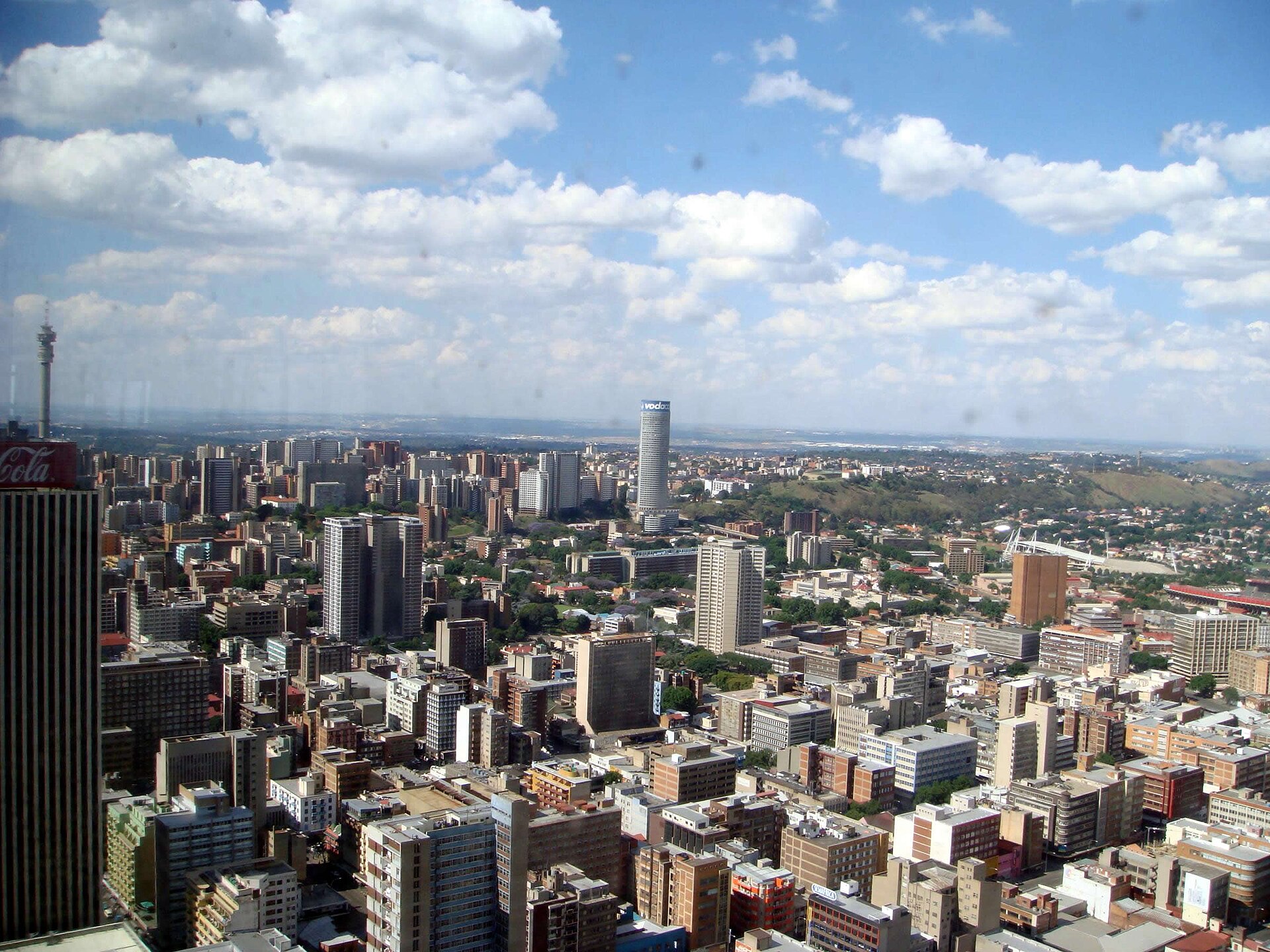
Johannesburg is South Africa’s largest city, and its council must elect a mayor at its first sitting. ActionSA says it will work with the DA there only if Helen Zille, a former DA leader, is not the nominee, and press reports say a letter from its leader Herman Mashaba offered that both he and Zille step aside.
A deal that excludes the DA would make the ANC lean on parties such as ActionSA, the MK Party or the EFF. ActionSA’s national chairperson, Michael Beaumont, says “there remains an openness to work with all political parties, including the DA”.
What Prediction Markets Say
Polymarket, where users trade real money on outcomes, priced Johannesburg’s next mayor at about 32% for ActionSA’s Herman Mashaba and 18.5% for the DA’s Helen Zille at about 9:00 a.m. ET on 16 November. The market has traded US$179,956 in total, and prices are bets, not polls.
Why we show this: prediction markets turn real-money bets into a live probability that moves within minutes of the news, which is why investors, campaigns and newsrooms in the United States now follow them closely. We show them next to polls and official results, never instead of them.
What to Watch
The ANC says it will issue a comprehensive statement on Tuesday 17 November 2026 and will hold no media engagements on the talks before then. Councils must be called to their first sitting within 14 days of the 8 November declaration, which points to about 22 November, though we have not confirmed each council’s date.
What Is Not Known
The ANC has not publicly said whether the NEC ranked the DA as a last resort, and it has not said whether any local outcome would affect the GNU. We found no announced ANC-DA deal in any metro as of 16 November.
What It Means for You
For investors and companies with staff in Gauteng, the question is who runs Johannesburg’s budget and services in the next five years. Our earlier reports on the ANC’s coalition choices and on what happens if talks fail cover the legal deadlines, and our coalition explainer covers the parties.
Frequently Asked Questions
Is the ANC ending its partnership with the DA?
Not publicly: the ANC says it will engage all parties, and the ANC and DA teams both called their Sunday meeting productive. Some press reports of the NEC meeting say the DA may be a last resort.
How many South African councils are hung?
The Electoral Commission counts 127 hung councils, meaning no party holds more than half the seats. In the three big Gauteng metros the DA won the most votes but lacks a majority.
When will the ANC say more?
The ANC says it will issue a comprehensive coalition statement on Tuesday 17 November 2026. It says it will hold no media engagements on the talks before then.
Sources: Electoral Commission of South Africa results declaration, 8 November 2026; African National Congress statement on municipal coalition engagements, 13 November 2026; Polymarket Next Mayor of Johannesburg?, read 16 November 2026.
This article was produced by The Rio Times’ automated AI newsroom. Editorial responsibility: Matthias Camenzind, Publisher and Editor-in-Chief. The Rio Times also runs Ask Rio Times, which answers from 100,000+ of our own articles, the daily Latin America Power Map, and prediction-market odds on elections and markets.. How we use AI · Report an error
Part of our ongoing coverage
Africa: The New Scramble — the great-power contest over the continent.